Salmon Internal Temp: What’s the Best Temp to Cook Salmon?


 288 Comments


For food safety, the USDA recommends cooking salmon to 145°F (63°C), measured at the thickest part of the fish. For a more moist and tender texture, many cooks prefer 125°F-135°F, but salmon cooked below 145°F does not meet the USDA's recommended safe minimum temperature.
It takes more than just a good eye and culinary prowess to cook salmon perfectly; it all comes down to finding the ideal temperature. Finding the perfect cooking temperature is essential for juicy and tasty salmon, whether you like it pan-seared, baked, or grilled.
By doing this, the fish’s natural oils and rich flavors are preserved, and it’s guaranteed to be flaky, tender, and safe to consume. The ideal salmon internal temperatures and associated cooking techniques will be covered in this tutorial, along with advice on how to make your salmon dishes into gourmet-caliber fine dining. Prepare to elevate your salmon cooking skills with precision temperature control!
Table of Contents
Ideal Salmon Internal Temp and Doneness Chart
Cooking salmon to perfection requires cooking it to the ideal salmon internal temperature during the cooking process. The recommended internal temperature for cooked salmon is 145°F (63°C), measured at the thickest part of the filet. At this temperature when its meat turns opaque and flakes easily, salmon is safe to eat according to the USDA.
However, many chefs and home cooks prefer to cook salmon to a slightly lower temperature for a more tender texture. For the best results, aim for an internal temperature of 125°F to 130°F (52°C to 54°C). This range ensures the salmon is tender, flaky, and moist, a state that highlights its rich, natural flavors.
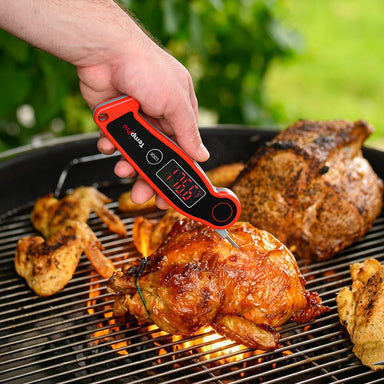
At this temperature, the proteins have coagulated enough to firm up the flesh without overcooking, keeping it juicy and delicious. Use an instant-read food thermometer to check the internal temp of salmon at the thickest part of the filet. If you prefer your salmon slightly more cooked, you can take it up to 135°F (57°C).

Here are common temperature ranges for different levels of salmon doneness:
Rest the salmon for a few minutes after cooking to let the residual heat complete the cooking process. This method ensures perfectly cooked salmon every time, making your dish a true delight for the taste buds.
How to Tell Salmon Is Cooked Well
One indicator is the color and texture. Cooked salmon should be opaque and easily flake with a fork. The meat should still be moist and slightly translucent in the center.
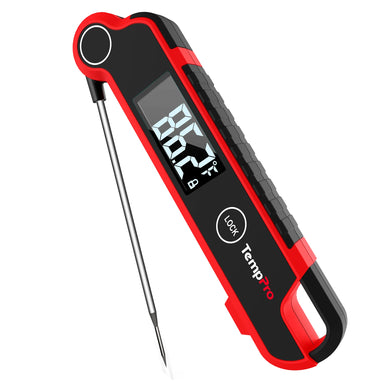
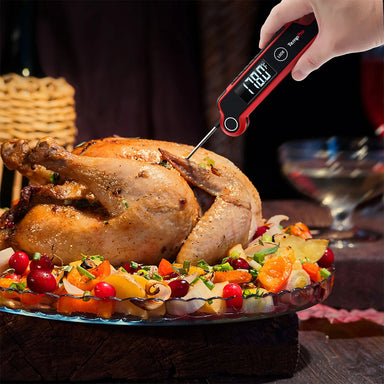
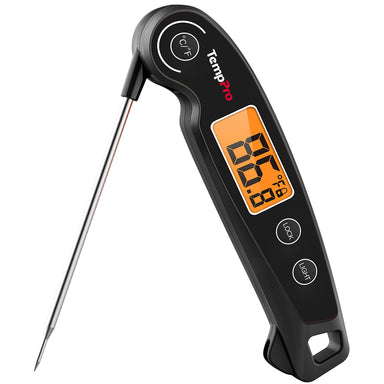
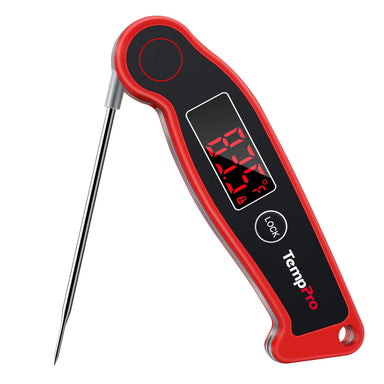
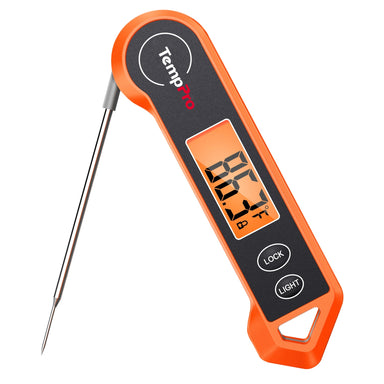
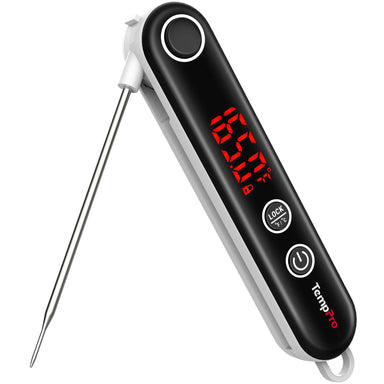
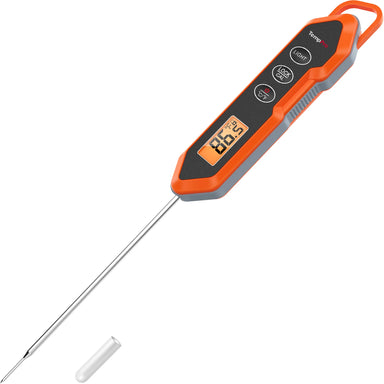
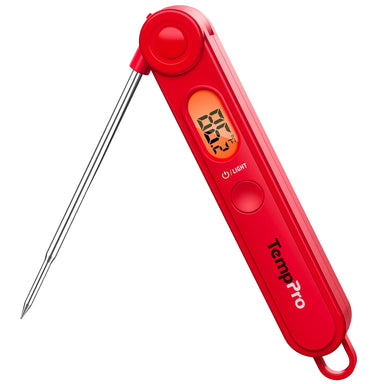
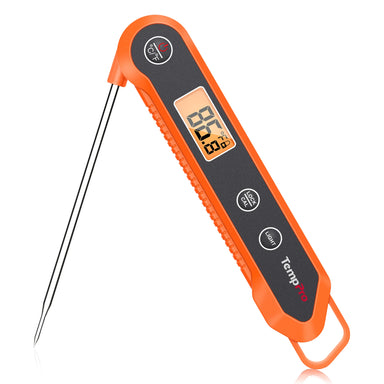
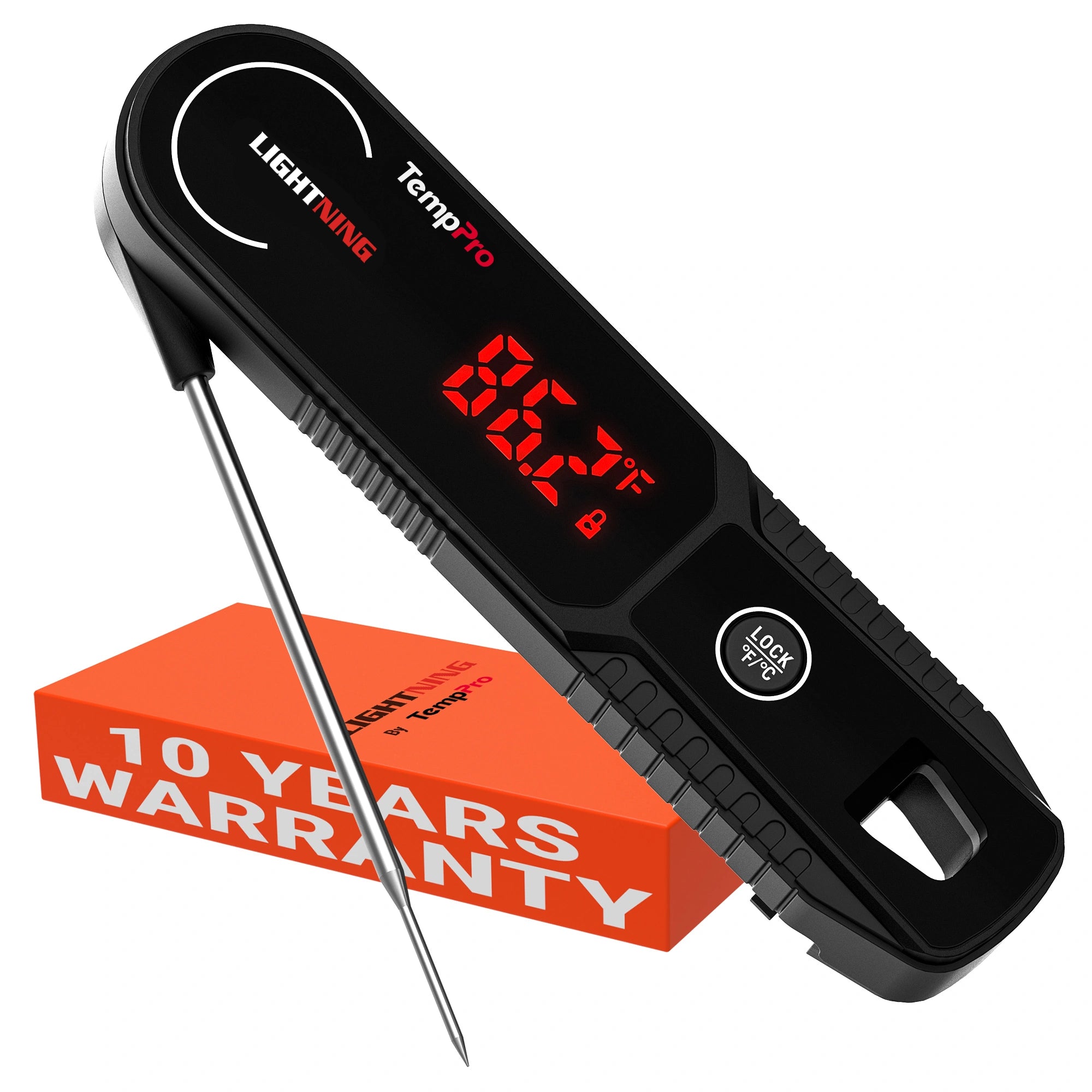
Knowing when salmon is perfectly cooked can be a bit of an art, but with the right tools and practice, you can master it. One essential tool for this task is the TempPro TP622 Instant-Read Meat Thermometer. This thermometer is designed to give an accurate reading in 0.1s response time, taking the guesswork out of cooking. With its high-precision sensor, it provides reliable temperature readings, ensuring your salmon is cooked to the ideal doneness.

Popular Salmon Recipes
Grilled Salmon

Ingredients:
- 4 salmon filets (with skin)
- 2 tbsp olive oil
- Salt and pepper to taste
- Lemon wedges
- Fresh herbs (optional)
Instructions:
- Preheat your grill to medium-high heat.
- Brush the non-skin side of the salmon filets generously with olive oil and season with salt and pepper.
- Place the salmon filets skin-side down on the grill. Close the lid and grill for about 6-8 minutes.
- Carefully flip the filets and grill for another 2-4 minutes until the salmon is just cooked through.
- Remove from the grill and let rest for a few minutes. Serve with lemon wedges and fresh herbs if desired.
Honey Garlic Salmon

Ingredients:
- 4 salmon filets
- 1/4 cup honey
- 3 cloves garlic (minced)
- 2 tbsp soy sauce
- 1 tbsp olive oil
- Lemon slices
- Chopped parsley (optional)
Instructions:
- In a small bowl, mix the honey, minced garlic, and soy sauce.
- Heat the olive oil in a large pan over medium heat.
- Add the salmon filets to the pan, skin-side down. Cook for 5-6 minutes until the skin is crispy.
- Flip the salmon filets and pour the honey-garlic mixture over them. Continue to cook for another 3-4 minutes until the salmon has cooked through and the sauce has slightly thickened.
- Serve the salmon topped with the sauce from the pan, garnished with lemon slices and chopped parsley.
Teriyaki Salmon

Ingredients:
- 4 salmon filets
- 1/4 cup soy sauce
- 1/4 cup mirin (Japanese sweet rice wine)
- 2 tbsp sugar, 1 tbsp sake (optional)
- 1 tbsp vegetable oil
- Sesame seeds
- Chopped green onions (optional)
Instructions:
- In a bowl, mix the soy sauce, mirin, sugar, and sake until the sugar is dissolved.
- Place the salmon filets in a resealable plastic bag and pour in the marinade. Seal the bag and let the salmon marinate in the fridge for at least 30 minutes.
- Preheat your grill to medium-high heat.
- Remove the salmon from the marinade and pat dry with paper towels. Brush with vegetable oil.
- Grill the salmon for about 4-5 minutes on each side until the fish is cooked through and the teriyaki glaze is caramelized.
- Serve the teriyaki salmon sprinkled with sesame seeds and chopped green onions if desired.
FAQs about Salmon Internal Temperature and Cooking Salmon
To what temperature should salmon be cooked?
The ideal temperature for cooking salmon to a tender and moist texture is between 125°F and 135°F. However, the USDA recommends cooking salmon to an internal temperature of 145°F (63°C) so that it’s safe to eat, with the meat becoming opaque and easy to flake with a fork.
Read: Is Undercooked Salmon Safe to Eat?

What are the best methods for cooking salmon, like grilling, baking, and pan-searing?
Grilling, baking, and pan-searing are all excellent methods. Grilling gives a smoky flavor and crispy skin, baking ensures even cooking, and pan-searing provides a quick, crispy finish.
How long should I cook salmon for it to be perfectly done?
Cooking time depends on the thickness of the filet. Generally, cook for about 4-6 minutes per half-inch thickness at medium-high heat.
Is it okay if my salmon is slightly pink in the center?
Yes, it’s okay if the center is slightly pink as long as the internal temperature reaches at least 125°F.
What are some tips to prevent overcooking salmon?
Use a kitchen timer, check the salmon temperature with an instant-read meat thermometer, and allow the salmon to rest for a few minutes after cooking to let residual heat finish the process.
Can I cook salmon from frozen, or should it be thawed first?
It’s best to thaw salmon before cooking for even results. If cooking from frozen, increase the cooking time by about 50%.
What are some delicious ways to season or marinate salmon?
Popular seasonings include lemon, garlic, dill, and black pepper. For marinades, try a mix of soy sauce, honey, garlic, and ginger for a sweet and savory flavor. Alternatively, use a blend of olive oil, lemon juice, and fresh herbs for a bright, refreshing taste.
How to check salmon internal temperature
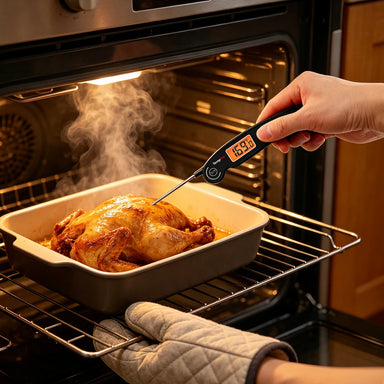
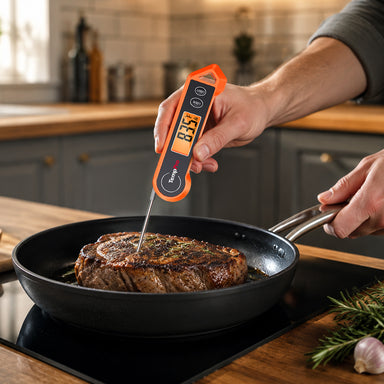
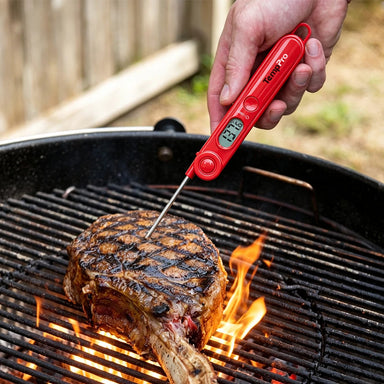
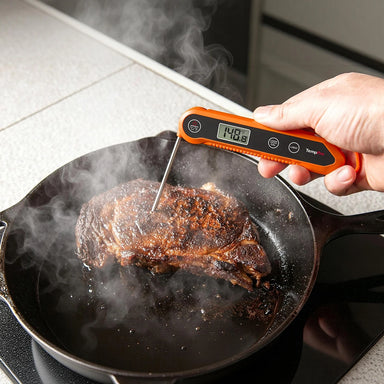
- Insert the instant-read meat thermometer, like TempPro TP622 into the thickest part of the salmon fillet.
- Insert the probe from the side if the fillet is thin.
- Avoid touching the pan, grill grate, or bone.
- Wait for the temperature reading to stabilize.
- Compare the reading with your desired temperature.
Is salmon safe at 125°F-135°F?
125°F is below the USDA's recommended safe minimum internal temperature for salmon. Although some cooks prefer salmon at 125°F-135°F for a softer texture, the USDA recommends cooking fish, including salmon, to 145°F (63°C).
Where should you check the temperature of salmon?
The best place to check the temperature of salmon is the thickest part of the fillet, usually near the center. Insert the thermometer probe into the side of the salmon when possible to reach the middle without touching the pan, grill, or skin. The temperature should be measured at the thickest point for the most accurate reading.
Does salmon continue cooking after you remove it from heat?
Yes, salmon can continue cooking slightly after it is removed from heat due to carryover cooking. The internal temperature of salmon may rise a few degrees while the fish rests, especially when cooked at higher temperatures. For the most accurate results, check the temperature near the end of cooking and remove the salmon when it reaches your desired doneness.
What food thermometer is best for checking salmon temperature?
An instant-read food thermometer is one of the best tools for checking salmon temperature because it provides a fast and accurate reading without overcooking the fish. A reliable food thermometer helps you measure the thickest part of the salmon and cook it to your preferred texture while avoiding dry, overcooked results.
Conclusion
Cooking salmon to perfection hinges on achieving the right temperature. Whether grilling, baking, or pan-searing, remember the target temperature for cooking salmon is 125°F to 130°F (52°C to 54°C) to ensure a flavorful result. This temperature range allows the salmon’s natural oils to enhance its rich taste while keeping the meat firm yet flaky.
Utilizing kitchen tools like the TempPro TP622 Instant-Read Meat Thermometer can help you hit this sweet spot with precision, making your culinary efforts foolproof. Ultimately, mastering the ideal salmon internal temp not only guarantees deliciously cooked salmon but also transforms your meal into a gourmet experience. By paying attention to this critical detail, you’ll consistently enjoy salmon that is cooked to perfection, impressing both family and guests alike.
For a limited time, visit the TempPro Clearance Sale to find discounted meat thermometers and kitchen essentials designed to help you cook with confidence.

Comments


Recommended Products