From Salmonella to Cyclospora: 5 Food Safety Tips


 288 Comments


Food safety is something many families do not think about until a food recall appears in the news. A bag of lettuce, a fresh pepper, or ingredients used in a favorite recipe may look perfectly normal, but harmful bacteria or parasites cannot always be seen, smelled, or tasted.
In the summer of 2026, two foodborne illness outbreaks made headlines across the country reminded consumers how important everyday food safety habits are. One outbreak was linked to Salmonella Javiana infections associated with jalapeño peppers, while another involved Cyclospora illnesses connected to iceberg lettuce. These incidents affected multiple states and raised concerns about how fresh produce can become contaminated before it reaches a consumer’s kitchen.
Although consumers cannot control every step of the food supply chain, they can take practical steps at home to reduce the risk of foodborne illness. Proper food handling, preventing cross-contamination, storing food correctly, and cooking foods to safe internal temperatures are some of the most effective ways to protect your family.
For home cooks, food safety is not about making cooking complicated. It is about building simple habits that become part of your daily routine.
Salmonella Outbreak Connected to Jalapeño Peppers
In 2026, the Centers for Disease Control and Prevention (CDC) investigated a multistate outbreak of Salmonella Javiana infections. Investigators identified jalapeño peppers as a potential source of contamination, leading to recalls and increased attention on foods containing fresh peppers, including popular items such as salsa, guacamole, and prepared meals.
Salmonella is a type of bacteria that can cause food poisoning when contaminated food is consumed. While many healthy adults recover after several days, infection can become more serious for vulnerable groups, including young children, older adults, and people with weakened immune systems.
One important lesson from this outbreak is that fresh ingredients are not automatically risk-free. Foods that are commonly eaten raw or lightly processed require careful handling because there is no cooking step to eliminate potential contamination.

Cyclospora Outbreak Linked to Iceberg Lettuce
Another food safety concern in summer 2026 involved Cyclospora, a parasite that causes an intestinal illness called cyclosporiasis.
The FDA investigated a multistate outbreak associated with iceberg lettuce. Because lettuce is typically eaten raw in salads, sandwiches, and restaurant meals, consumers do not have the benefit of a cooking process that could destroy many harmful microorganisms.
Cyclospora contamination can happen before food reaches the consumer through factors such as contaminated water, agricultural conditions, harvesting, or processing environments.
The outbreak highlights an important point: food safety does not only depend on cooking. Safe food practices begin with selecting, washing, storing, and preparing ingredients correctly.
How to Prevent Food Contamination in Your Kitchen
Start With Proper Food Handling Before Cooking
Many food safety problems begin before the cooking process even starts. When preparing meals, your hands, utensils, cutting boards, and kitchen surfaces can transfer harmful microorganisms from one food to another.
Before handling food, wash your hands with soap and warm water for at least 20 seconds. This is especially important after touching raw meat, poultry, seafood, eggs, trash, or pets.
A clean preparation environment is just as important as clean ingredients. Kitchen towels, cutting boards, and knives should be washed regularly because bacteria can remain on surfaces and spread to foods that are eaten without cooking.
Wash Fresh Produce Correctly to Reduce Contamination Risks
Fresh vegetables and fruits are an important part of a healthy diet, but produce can sometimes carry contaminants from farming, transportation, or handling.
Foods such as lettuce, peppers, tomatoes, and herbs should be washed under clean running water before eating or preparing. Even produce with a peel should be cleaned because bacteria on the outside can transfer to the inside when cutting.
However, washing produce does not mean using soap or household cleaners. These products are not designed for food preparation and may create additional health risks.
For leafy vegetables such as lettuce, separate the leaves, rinse them carefully, and remove any damaged or wilted areas. After washing, drying produce with a clean towel or salad spinner can help remove excess moisture and keep vegetables fresher for longer.
Prevent Cross-Contamination Between Raw and Ready-to-Eat Foods
Cross-contamination is one of the most common causes of foodborne illness at home.
For example, raw chicken juice can contain bacteria that may transfer to salad ingredients, fruits, or cooked foods if they come into contact with the same cutting board or knife.
A safer kitchen setup means separating raw ingredients from foods that are ready to eat. Many professional kitchens use different preparation areas, and home cooks can follow the same principle by using separate cutting boards or clearly identifying one board specifically for raw meat.
When storing food in the refrigerator, raw meat should always be placed on the lowest shelf. This prevents juices from dripping onto other foods below.
These small steps take only a few extra seconds but significantly reduce unnecessary risks.
Eliminate Pathogens with Precise Internal Temperature Control
The most reliable way to destroy bacteria like Salmonella is through proper heat pasteurization. While greens like iceberg lettuce are eaten raw, many other produce items—such as jalapeños, onions, squash, and root vegetables—are cooked into warm dishes like stuffed peppers, soups, casseroles, or stir-fries.
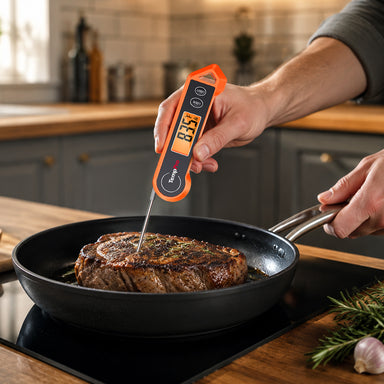
Visual cues like color or texture can be misleading. A stuffed pepper may look charred on the outside while the internal filling remains lukewarm and unsafe. That is why checking the internal temperature with a reliable food thermometer is essential.According to USDA recommendations:
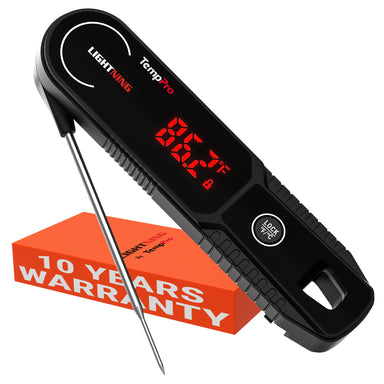
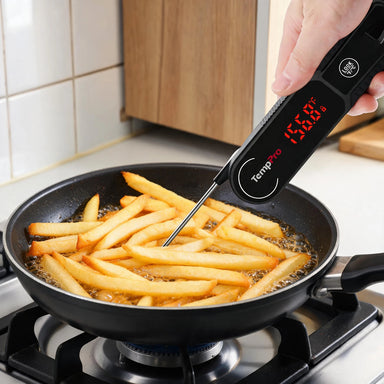
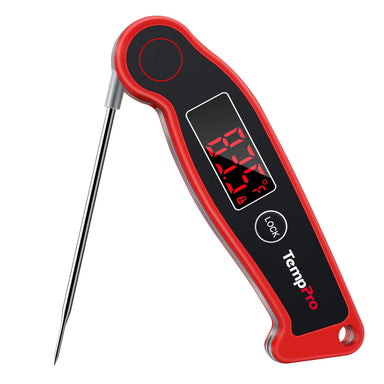
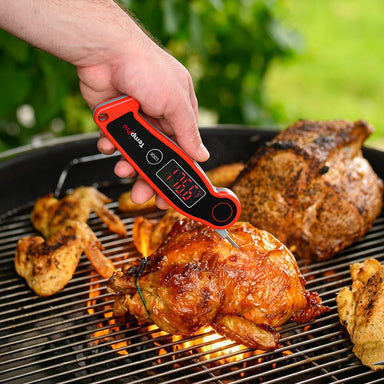
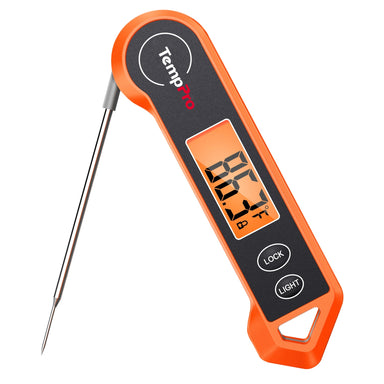
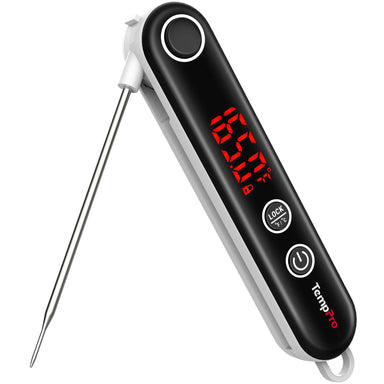
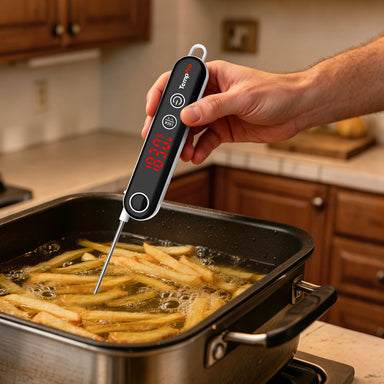
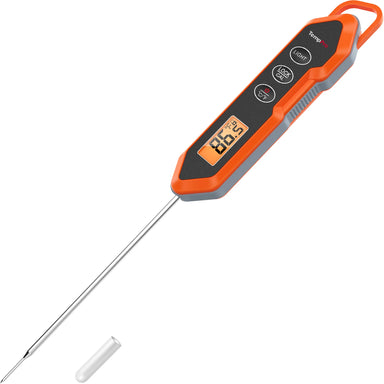
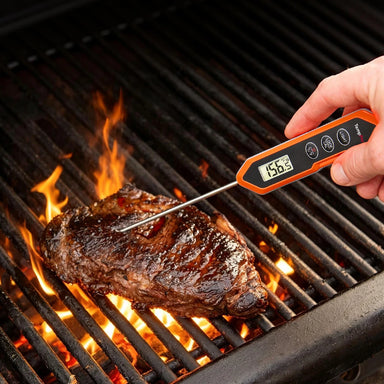
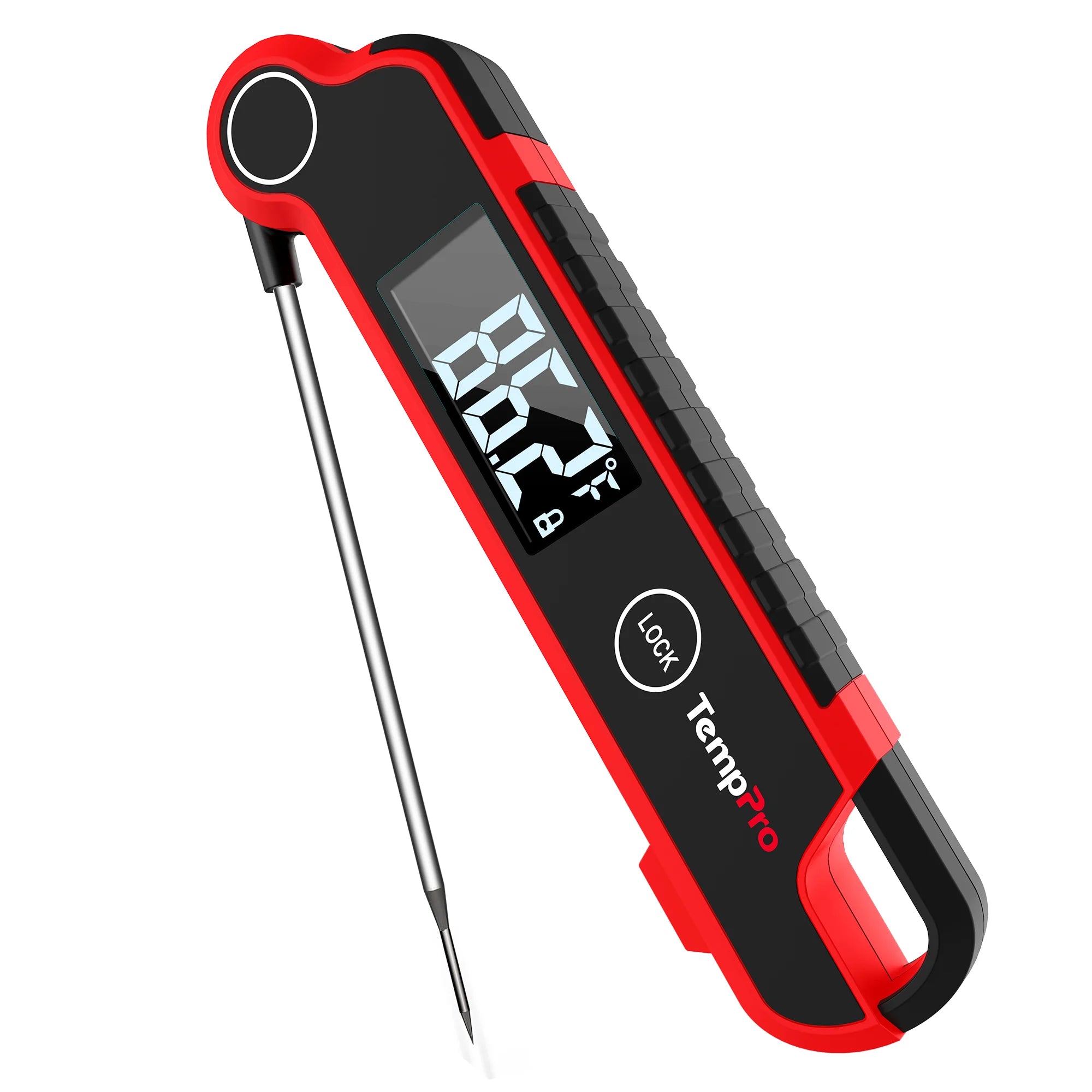
To take the guesswork out of kitchen safety, a fast and accurate food thermometer is a must-have tool. While named a "meat thermometer," the TempPro TP620 Instant-Read Meat Thermometer is an all-around kitchen safety instrument designed to measure the internal temperature of everything you cook from grilled meats to baked stuffed peppers and reheated casseroles.
Key Features and Safety Benefits:
- Ultra-Fast 0.5-Second Reading: Powered by advanced sensor technology, the TempPro TP620 delivers precise temperature readings in just half a second. You get instant verification without holding your hand over a hot grill or oven.
- Professional Accuracy (0.9℉): Ensures your food reaches exact USDA safety thresholds, such as 165°F for poultry and stuffed dishes without overcooking or drying out your meal.
- IP65 Waterproof Rating: Kitchen safety requires clean tools. The TempPro TP620 can be rinsed under running water after testing raw or partially cooked food, preventing cross-contamination between dishes.
- 180° Auto-Rotating Backlit Display: Designed for ease of use, the bright backlit screen rotates automatically whether you are left- or right-handed, making it easy to read inside dark ovens or outdoors at night.
- Smart Motion-Sensing Power: The probe automatically turns on when unfolded and powers down when closed, saving battery life so it is always ready when you need it.

Store Food Properly After Cooking
Food safety does not end when cooking is finished. Proper storage is another important step in preventing foodborne illness.
Cooked foods should not remain at room temperature for extended periods, especially during warm summer weather. Refrigerate leftovers promptly and store them in shallow containers to help food cool more quickly.
Keep your refrigerator temperature at or below 40°F and your freezer at 0°F to maintain safer storage conditions.
Stay Informed About Food Recalls
Recent food safety outbreaks, including those linked to jalapeño peppers and iceberg lettuce, show why staying informed about recalls and safety alerts is important. When contaminated products are identified, agencies such as the FDA, CDC, and USDA provide updates to help consumers avoid potential risks.
Consider signing up for food safety alerts from trusted government sources. If a recall affects products you purchased, check your refrigerator, freezer, and pantry carefully. Do not eat recalled food, even if it looks or smells normal. Follow the official instructions for returning, disposing of, or safely handling the product.
Safe Internal Temperature of Food
Keep these essential internal temperature targets in mind when cooking hot meals for your family:
| Food Category | Target Internal Temperature | Safety Purpose |
|---|---|---|
| Stuffed Vegetables & Casseroles | 165°F (74°C) | Eliminates Salmonella and harmful bacteria in mixed ingredients |
| Poultry (Chicken, Turkey) | 165°F (74°C) | Destroys Salmonella and Campylobacter |
| Ground Meats (Beef, Pork) | 160°F (71°C) | Kills E. coli and other pathogens mixed throughout the meat |
| Leftovers & Soups (Reheating) | 165°F (74°C) | Helps ensure stored foods are reheated safely |
Final Thoughts
The Salmonella and Cyclospora outbreaks of 2026 remind us that food safety is a shared responsibility. While consumers cannot control every step of food production, they can control how food is handled, prepared, cooked, and stored at home.
By practicing smart cross-contamination habits, washing fresh produce under running water, and using a precision tool like the TempPro TP620 Instant-Read Meat Thermometer, every home cook can prepare meals with greater confidence, safety, and peace of mind.

Comments
You May Also Like


Recommended Products