8 Salmon Cooking Tips to Prevent Overcooking


 288 Comments


Salmon has a very narrow window to be perfect. If you take it even one second too long, or if the pan is even a little bit hotter than it should be, or if you simply get it wrong, you'll go from having soft and flaky salmon to hard and chalky salmon. Most of the time, we judge salmon as "done" visually through color or flaking, however; this usually happens too late. By the time salmon appears to be "done," it's already overcooked. For this reason, a lot of home cooks have trouble making their salmon turn out consistently.
However, the truth of the matter is that salmon is not particularly difficult to cook, but it is merely precise. Once you develop an understanding of how to regulate temperature and timing, then you'll find yourself with consistent results.
8 Useful Tips to Avoid Overcook Salmon
Stop Cooking Salmon Like a Steak
This is the first mistake people make. People apply the same techniques they would use to cook a steak to cooking salmon (high heat, intense sear, etc.). However, salmon does not respond as well to these techniques. Salmon cooks significantly quicker than steak, has less internal moisture and reacts rapidly to temperature changes.
Cooking salmon requires a softer hand than cooking steak. Rather than trying to force the heat to do something, you're going to manage it. This single change alone will help prevent the majority of overcooking problems you might encounter when cooking salmon.
Cook to the Temperature, Not to Appearances
Color and texture are poor indicators.
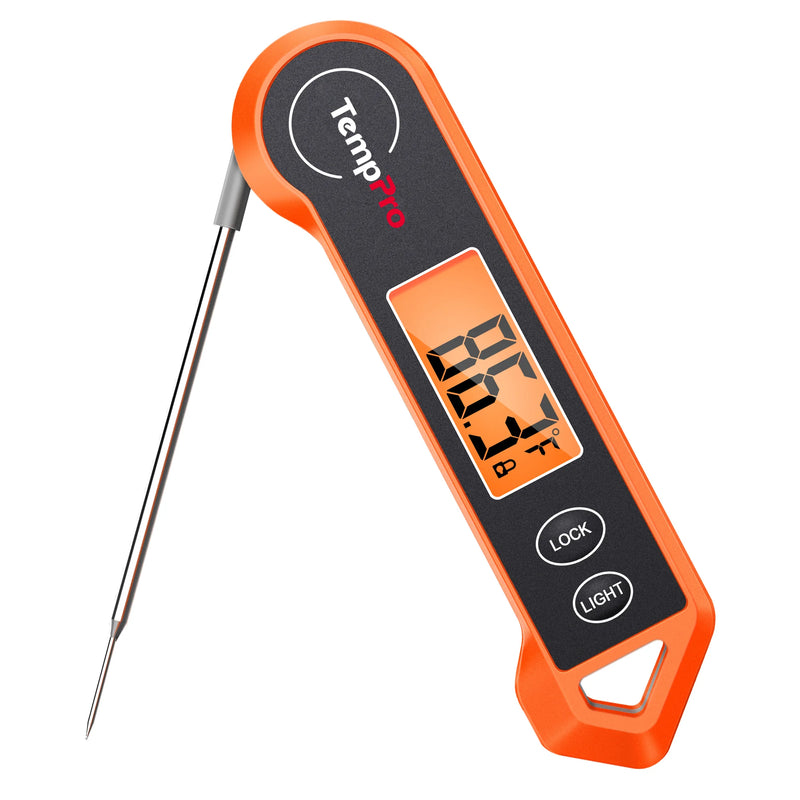
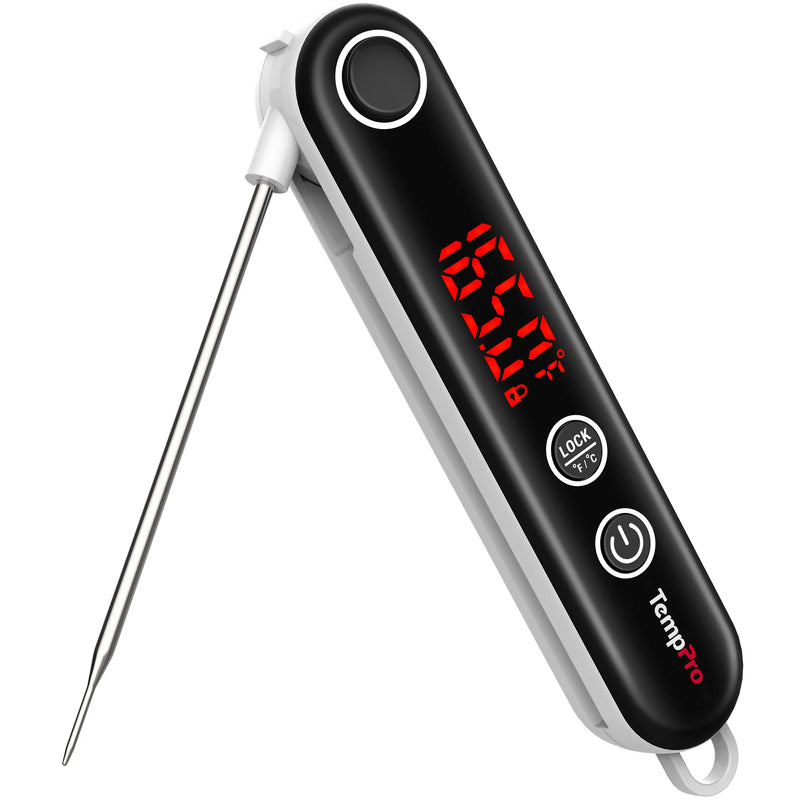
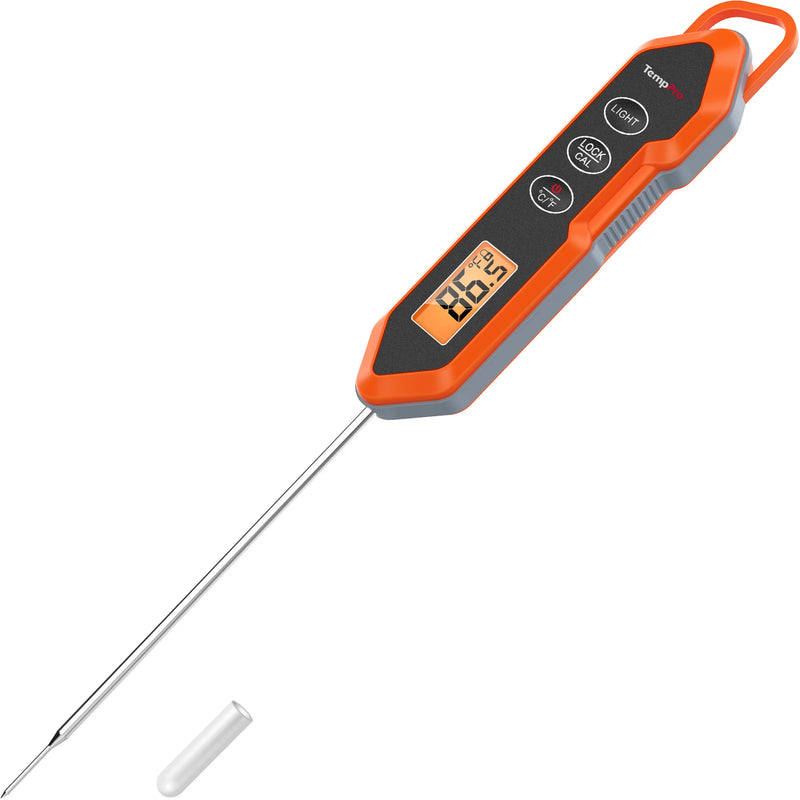
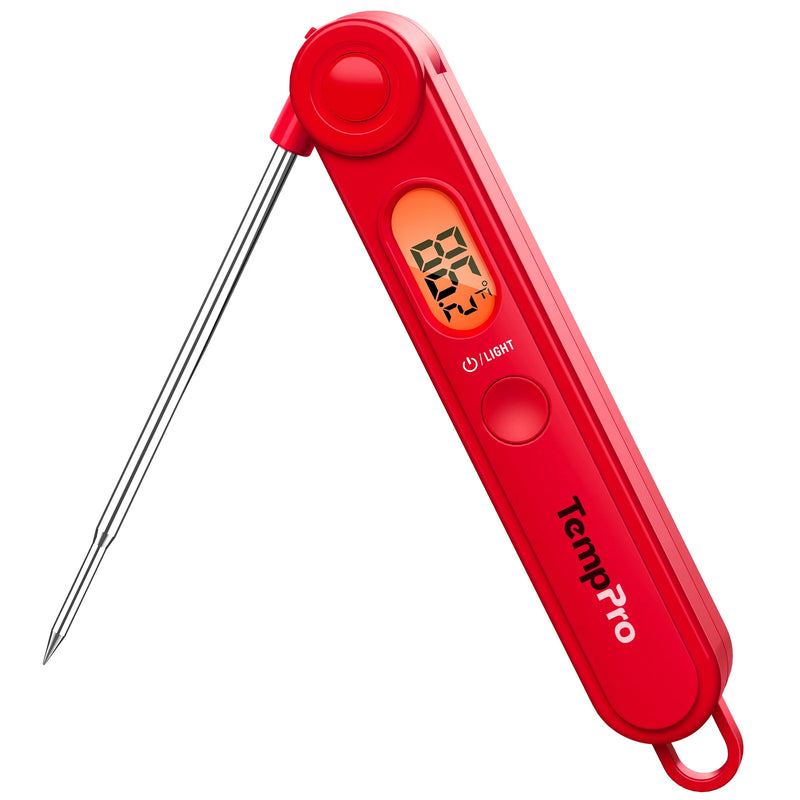
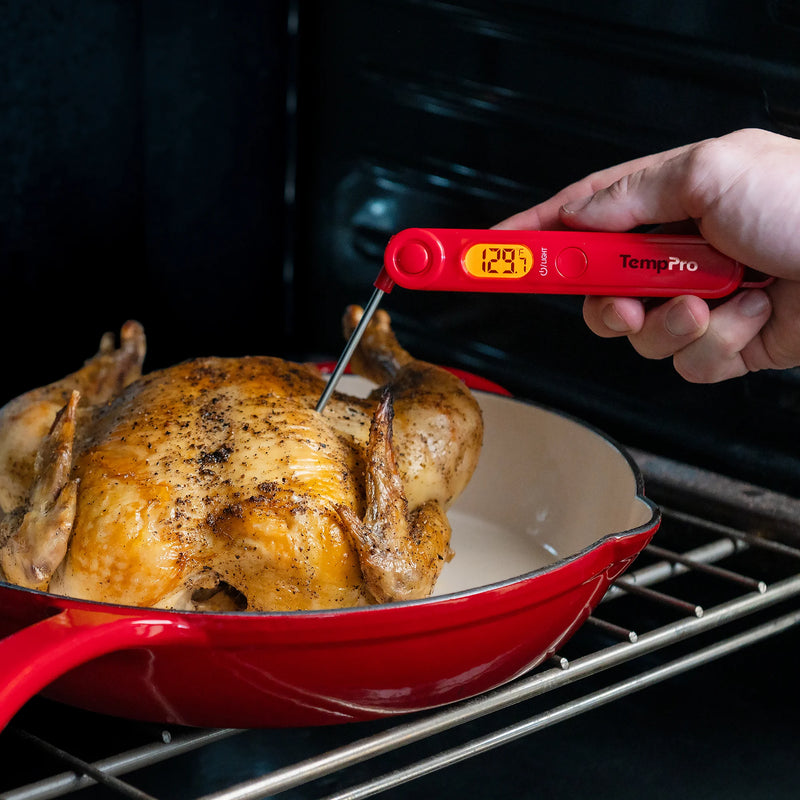
Salmon can appear perfectly cooked on the exterior, but be fully cooked internally. That is why using the appearance of the salmon as your indicator will lead to inconsistent results. Using TempPro TP19 Instant-Read Meat Thermometer eliminates all of the guesswork. With its fast 2-3 second read times and ±0.9°F accuracy, you will always know exactly when your salmon has reached the optimal temperature rather than waiting too long and possibly overcooking the fish. This is the difference between hoping that it's cooked and knowing that it is cooked.

Understand Your Target Temperature
A lot of people overcook salmon simply because they are not aware of what temperature they want their salmon cooked to. For a nice flaky, tender piece of salmon, try for:
- 125-130°F for a medium texture
- 130-135°F for a firmer texture
The USDA official food safety recommendation for salmon is an internal temperature of 145℉(62.8℃). However, many chefs and home cooks prefer to pull it off the heat between 120℉and 130 (49℃ to 54℃) to prevent the fish from drying out.
Once you reach temperatures above these, you're likely to dry out the fish.
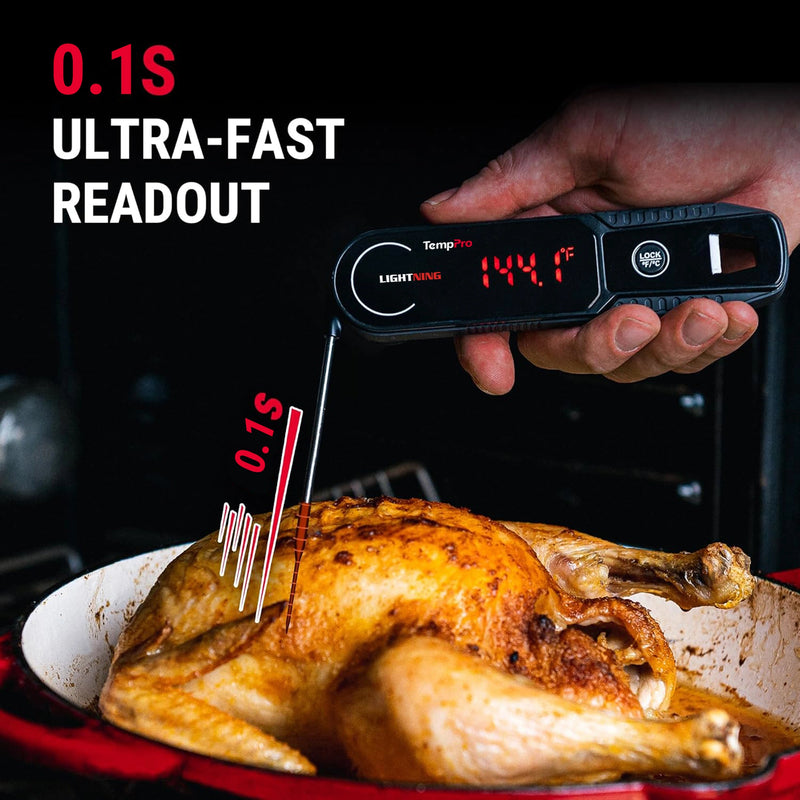
With the TempPro TP19, you can check your salmon's temperature at the exact moment and avoid overshooting your target. Since it takes only one second to read, you're not stuck hovering over the heat or letting the salmon continue to cook while you wait.
Remove the Salmon While It Still Has Some Time Left to Finish
Salmon will continue to cook after you take it off of the heat. If you wait until the salmon reaches the exact temperature you're aiming for in the pan or oven, it will continue to rise and ultimately be overcooked. Pulling it a couple of degrees shy of its final target allows the salmon to finish slowly, rather than quickly.
This is one of the simplest adjustments you can make and greatly impacts the texture of the finished dish.
Cook Salmon at a Lower Temperature than You Think You Should
High heat is one of the quickest ways to destroy salmon.
The high heat will cook the outside of the salmon much quicker than the inside. By the time the inside of the salmon catches up, it may be either undercooked or dry. Cooking the salmon at a lower heat allows you to control the cooking process and ensures that it cooks evenly.
Your goal is not to cook salmon as quickly as possible, but have consistent results.

Give the Salmon a Little Rest after Cooking
Many people skip this step.
Salmon will benefit from a brief rest after cooking. This allows any remaining heat to finish the cooking process and will also allow the salmon to retain its moisture. Cutting into the salmon before it has had a chance to rest will cause the juices to run out of the fish and will reduce both the flavor and texture of the salmon. Even a short rest will produce a marked improvement.
Resist the Urge to Check on the Salmon Constantly
Constant checking on the salmon is bad news. Opening the oven door, constantly flipping the salmon, or continually touching the salmon will disrupt the cooking process.
Each time you disturb the cooking process, you lose heat and introduce inconsistencies. This is especially true when cooking a delicate protein such as salmon.
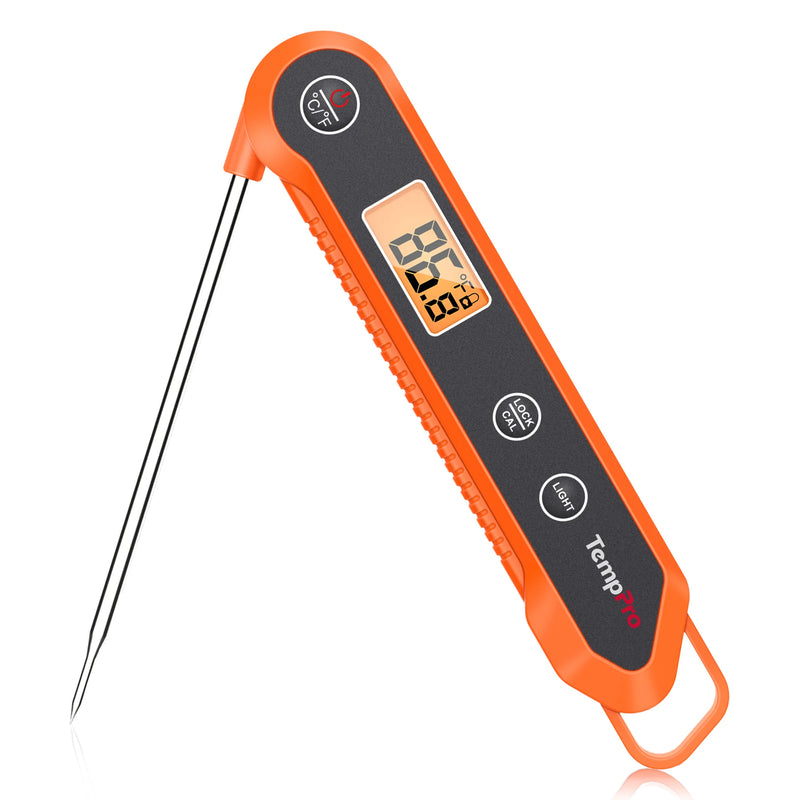
Thanks to the TempPro TP19's temperature lock feature, you can now check your salmon's temperature once, lock in that reading, and walk away from the heat without worrying about disturbing the cooking process. This will eliminate over-handling the salmon and keep the cooking process steady.
Use a Device Built for Accuracy
Eventually, no amount of skill or technique will be enough. You can continually work to improve your cooking skills, but without accurate information, you are still going to be guessing. This is where consistency fails.
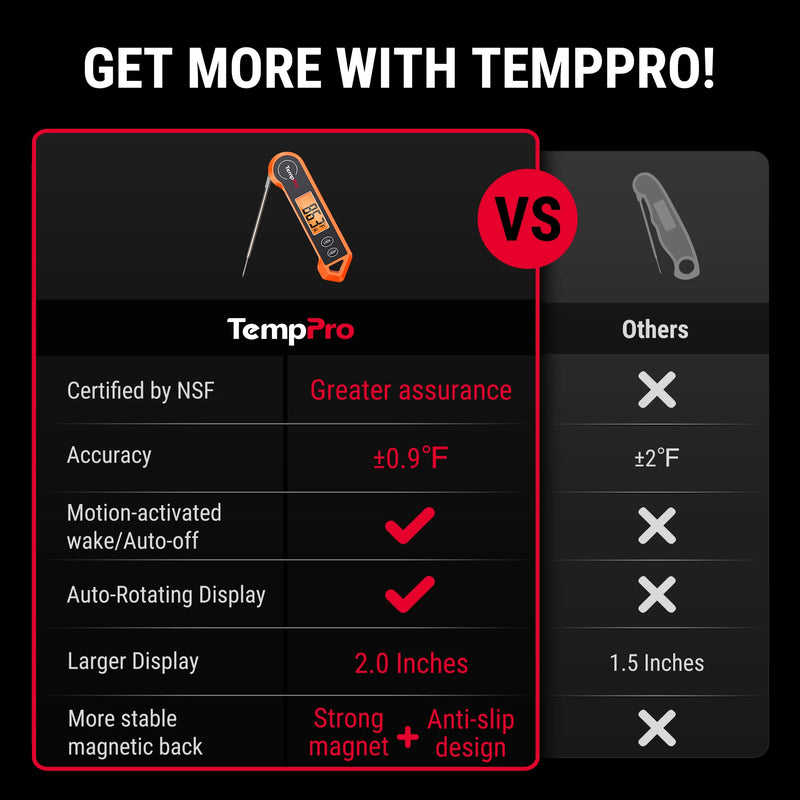
The TempPro TP19 addresses this with:
- Fast 2-3 second reading times
- ±0.9°F accuracy
- Auto-rotate display for easy viewing at any angle
- Motion-sensing on/off for quick access
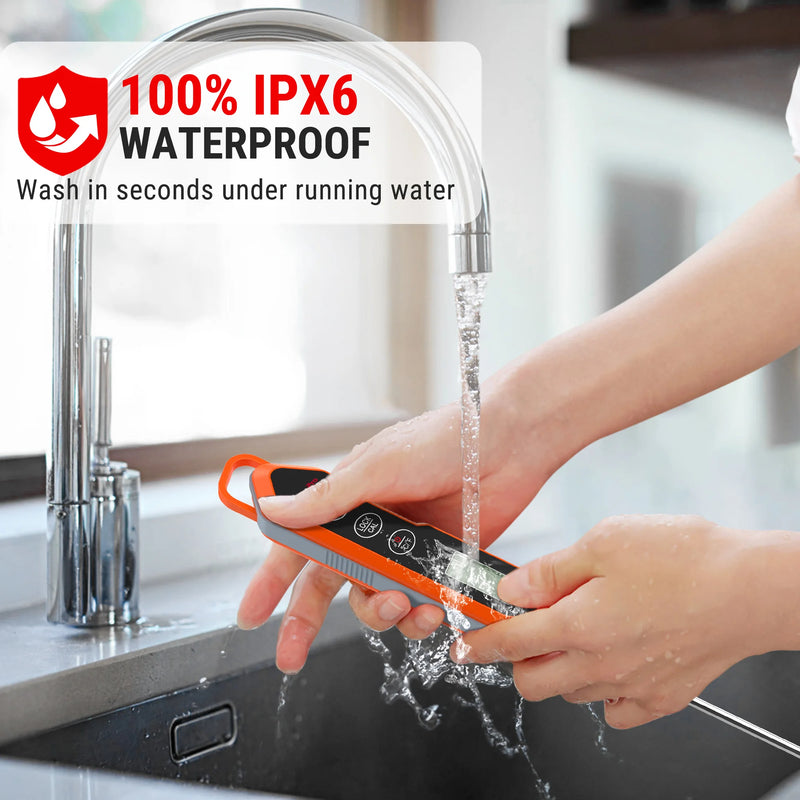
- 100% waterproof design for easy cleaning
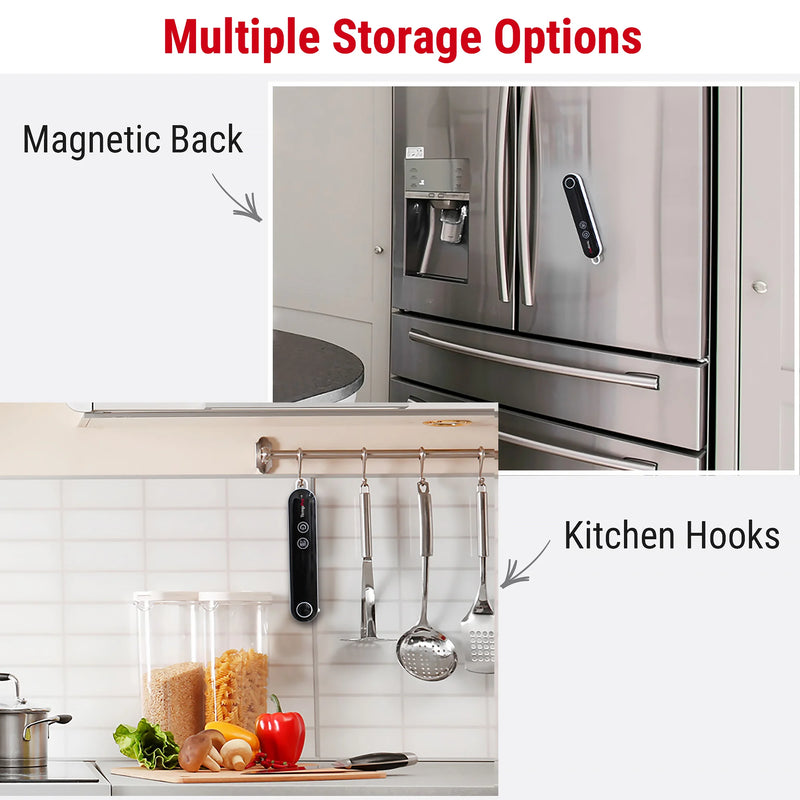
- Magnetic back & storage options for convenience
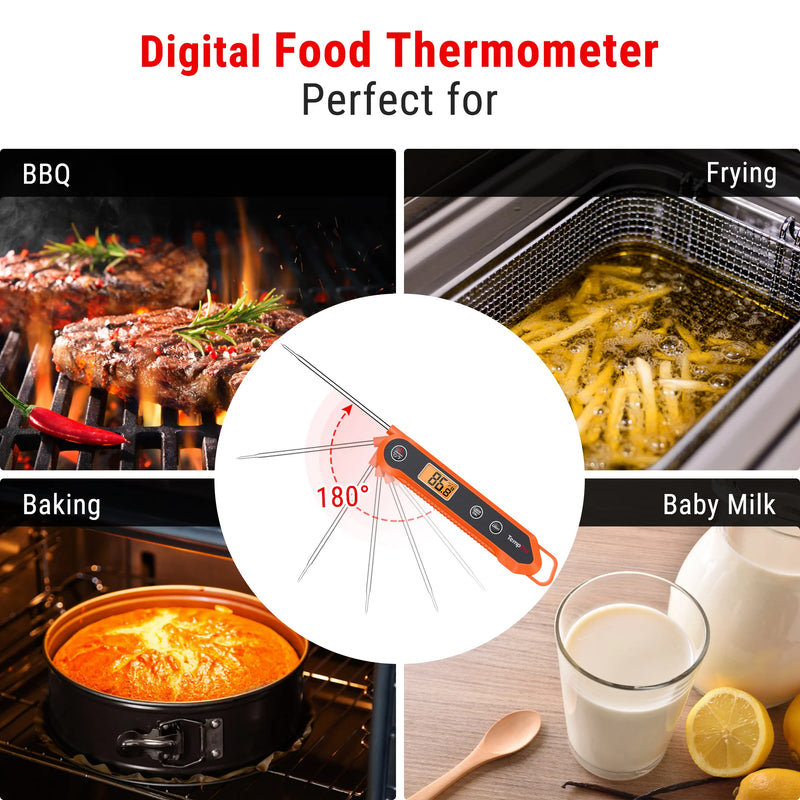
It was designed for actual cooking situations whether you're cooking on a stovetop, grill, or oven.
How Salmon Becomes Easier When You Start Cooking Based on Temperatures
Most people cook with a combination of trial and error.
They adjust their cooking methods based on what worked or didn't work previously, hopefully improving each time. Unfortunately, this method will never produce consistent results.
When you begin cooking salmon based on temperature, everything is predictable.
- You will know when to remove the fish from the heat
- You will know what the resulting product will be
- You will eliminate the element of chance that causes the vast majority of mistakes
That is when salmon moves from being a frustration to being a reliable food.

FAQs about Cooking Salmon
Q1. What is the best temperature for salmon?
125-130°F for medium, or up to 135°F for a firmer texture.
Q2. Why does salmon dry out so easily?
Because it cooks quickly and has a narrow temperature window before overcooking.
Q3. Do I need a food thermometer for salmon?
It's not required, but it's the most reliable way to use a food thermometer like TempPro TP19 Instant-Read Meat Thermometer, to prevent overcooking.
Q4. How long should salmon rest after cooking?
A few minutes is enough to allow juices to redistribute and finish cooking gently.
Q5. What is the biggest mistake when cooking salmon?
Cooking salmon by appearance instead of temperature, which leads to overcooking.
Final Thoughts
Salmon doesn't require a lot of fancy techniques. When you successfully control temperature and timing, everything gets better - texture, flavor and consistency. And once you stop guessing and start measuring, overcooking salmon becomes avoidable rather than inevitable.


Comments
You May Also Like

Salmon Internal Temp: The Best Temp to Cook Salmon

Is Undercooked Salmon Safe to Eat?


Recommended Products