Is Undercooked Salmon Safe to Eat?


 288 Comments


Generally, undercooked salmon is not considered the safest choice. For the safest preparation, the FDA recommends cooking finfish to an internal temperature of 145°F (63°C). Raw or undercooked seafood can carry foodborne illness risks, including bacteria and parasites.
Can you tell if your salmon is undercooked? Do you know what cooking temperature it should reach to be safe to eat?
It’s okay to wonder about these questions, especially if you are new to eating seafood. Eating undercooked salmon can be a bit scary for some people, while others can’t resist that soft, buttery texture. So, what’s the truth about eating salmon that’s not fully cooked?
In this article, we’ll discuss the health benefits of eating uncooked fish and the risks of eating raw seafood. Moreover, you’ll learn how to check the internal temp of salmon and easy tips for cooking salmon perfectly!
Table of Contents
- What Are the Nutritional Benefits of Salmon?
- What Is Considered Undercooked Salmon?
- What Are the Risks of Eating Undercooked Salmon
- How to Tell When Salmon Is Undercooked?
- Can You Safely Eat Raw or Undercooked Salmon?
- Cooking Tips for Perfectly Cooked Salmon
- FAQs About Undercooked Salmon
- Final Thoughts: Making an Informed Decision
What Are the Nutritional Benefits of Salmon?
Salmon, with its tender, pink, and firm texture, is among America’s most popular fish choices. It is celebrated for its rich, buttery flavor. Not only this, but it is also a great health option!
Omega-3 fatty acids, especially docosahexaenoic acid (DHA) and eicosapentaenoic acid (EPA), are essential for good health. These are found in abundance in salmon. You will find about 2.2 to 2.3 grams of these important fats in a 3.5-ounce salmon serving. These fats help lower blood pressure, lessen inflammation, and reduce risk factors for disease.
Moreover, eating salmon twice a week can efficiently satisfy the advised consumption of omega-3s, thus improving arterial function and general cardiovascular condition.
Salmon is strong in protein as well; providing 22 to 25 grams per serving that are needed for muscle maintenance and recovery. Vitamin B, potassium, and selenium are found in plentiful amounts as well; these help thyroid health and help improve blood pressure control and energy generation. One of the best things about salmon is how versatile it is when it comes to cooking. You can cook or bake it, or choose to eat it raw.

What Is Considered Undercooked Salmon?
Undercooked salmon is salmon that has not been cooked enough to reach the recommended internal temperature or still has a raw or translucent center. The flesh may look darker and more translucent in the middle, feel softer than fully cooked salmon, or resist flaking when tested with a fork.
For the safest preparation, the FDA recommends cooking finfish, including salmon, to an internal temperature of 145°F (63°C). A food thermometer is the most reliable way to check because the color and texture of fish can vary depending on the type of salmon and cooking method.
Signs That Salmon May Be Undercooked
While appearance alone cannot confirm whether salmon is safe to eat, these signs can indicate that it needs more cooking:
- Translucent center: The thickest part still looks raw or noticeably translucent rather than opaque.
- Soft, raw texture: The flesh feels unusually soft and does not separate easily into flakes.
- Low internal temperature: The center has not reached 145°F (63°C) when checked with a food thermometer.
- Uneven doneness: The outside may look cooked while the center remains significantly less cooked, especially with thick fillets.
Keep in mind that salmon can remain slightly pink after cooking and still be fully cooked. Likewise, color alone does not tell you whether the fish has reached a safe temperature. For the most reliable check, insert a food thermometer into the thickest part of the fillet.
If your salmon has not reached 145°F, continue cooking and check the temperature again before serving.
What Are the Risks of Eating Undercooked Salmon
Eating undercooked salmon can increase the risk of foodborne illness because raw or undercooked fish may contain harmful bacteria, parasites, or other pathogens. While proper handling and preparation can reduce some risks, cooking salmon thoroughly is the safest way to reduce the risk of illness.
Foodborne Bacteria
Raw or undercooked salmon may contain harmful bacteria, including Salmonella and Listeria monocytogenes. Eating contaminated fish can lead to foodborne illness, with symptoms such as nausea, vomiting, diarrhea, abdominal pain, and fever.
Parasites
Raw or undercooked salmon can also carry parasites, including certain types of worms. Freezing can kill some parasites, which is why commercial seafood intended for raw consumption may undergo specific freezing procedures. However, freezing does not eliminate all harmful microorganisms, so it does not make raw salmon completely risk-free.
Cross-Contamination
Raw salmon can also spread harmful microorganisms to other foods, utensils, cutting boards, and kitchen surfaces. Keep raw seafood separate from ready-to-eat foods and wash your hands, utensils, and work surfaces after handling it.
Higher Risk for Certain People
The risks are more serious for certain people, including pregnant women, young children, older adults, and people with weakened immune systems. These groups should avoid raw or undercooked seafood because foodborne infections can be more severe.
The safest way to reduce these risks is to cook salmon to an internal temperature of 145°F (63°C), as recommended by the FDA. A food thermometer can help you check the thickest part of the fillet more reliably than appearance alone.

How to Tell When Salmon Is Undercooked?
Knowing when salmon is undercooked and at what temperature to cook salmon is essential for food safety and flavor.
| Sign | What It May Mean |
|---|---|
| Translucent Center | May indicate the salmon is not fully cooked |
| Opaque Flesh | A common visual sign of cooked fish |
| Flakes Easily | Often indicates doneness |
| Internal Temperature | 145°F (63°C) is the FDA recommendation |
| Very Soft or Raw Center | May indicate undercooking |
Here are some tips:
Color and Texture
Undercooked salmon will appear dark pink and translucent on the inside. When fully cooked, it should be opaque throughout the fillet. Moreover, as your salmon cooks, you may notice white albumin appearing on the surface as salmon cooks. While this is normal, the amount of albumin is not a reliable way to determine whether the fish has reached a safe internal temperature.
Internal Temperature
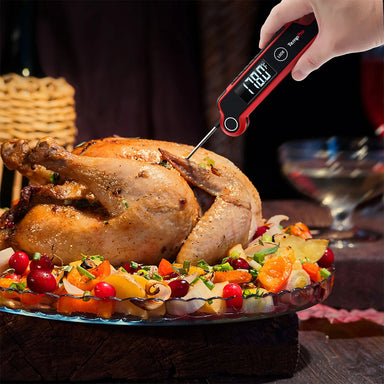
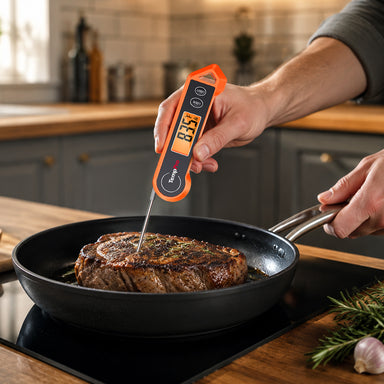
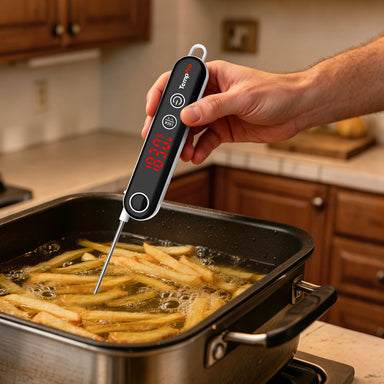
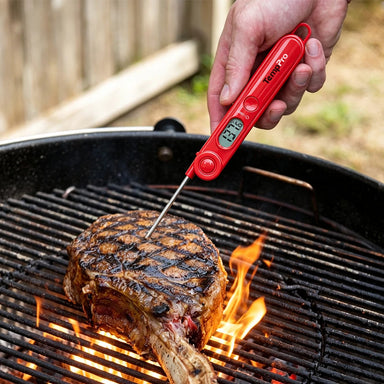
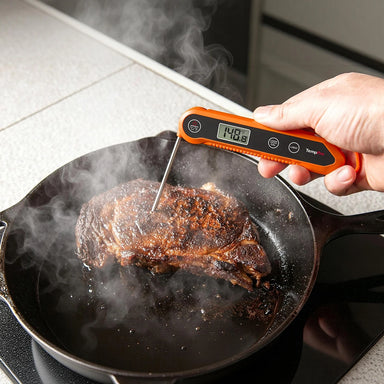
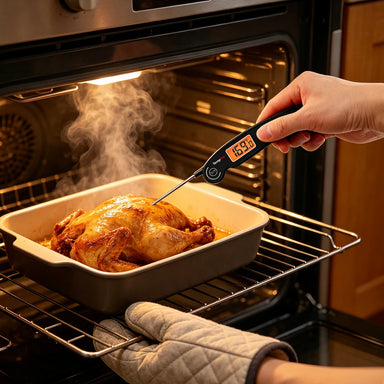
The internal temperature of salmon can be accurately checked with a meat thermometer. Cooked salmon should ideally reach a temperature of at least 145°F (63°C). To ensure accuracy, you'd better use an Instant-Read Meat Thermometer.
The Flake Test
Another way to test for doneness is to use the flake test. Using a fork, gently press down on the fish. If it flakes easily, it’s cooked; if it resists, it needs more time.
Can You Safely Eat Raw or Undercooked Salmon?
Before understanding what temp to cook salmon, let’s find out how to consume undercooked salmon safely:
Choose High-Quality Salmon
When eating undercooked or raw salmon, you really need to pick good quality fish. To kill parasites including Anisakis worms, always choose sushi-grade salmon frozen at precise temperatures (-4ºF/-20ºC for at least 7 days).
Know Your Source
When you go out to eat, ask where the fish came from. Places with a good reputation will make sure their raw fish is safe. Ask where the fish came from, how it was stored, and how it was made.
Don’t eat at places that can’t give you clear answers about their safety measures. Knowing where your salmon originates from can greatly lower your risk of foodborne diseases.
Consider Marinating
Though it does not completely remove the hazards, marinating salmon in an acidic solution, such as lemon juice, can help lower dangerous germs.
Cooking Tips for Perfectly Cooked Salmon
Cooking salmon to perfection can elevate any meal. Here are some tips that will help you understand the cooking temperature of salmon:
Check Salmon Temperature Using a Meat Thermometer
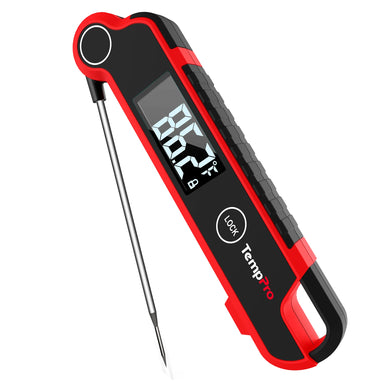
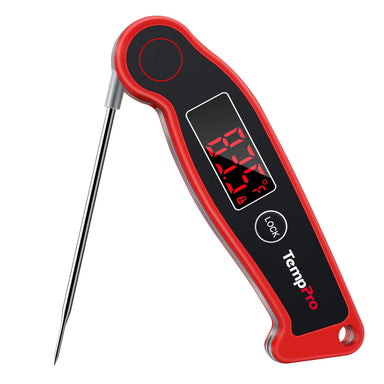
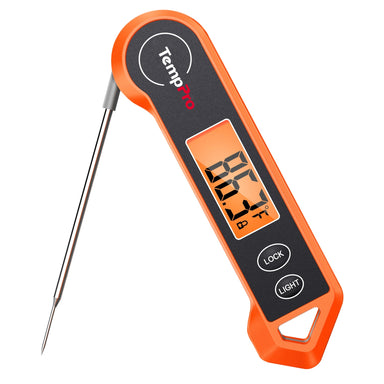
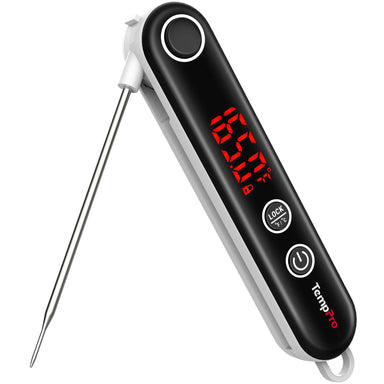
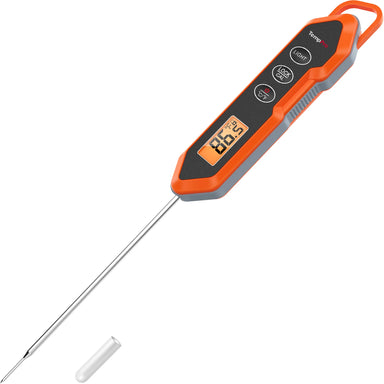
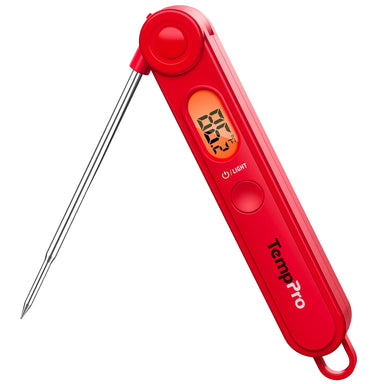
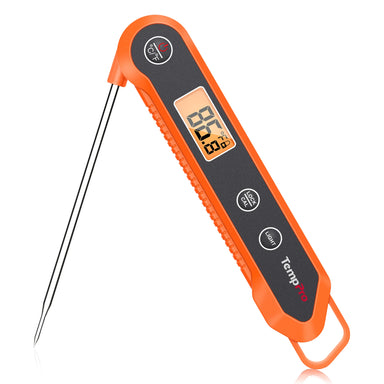
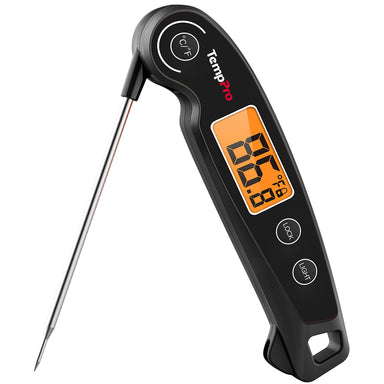
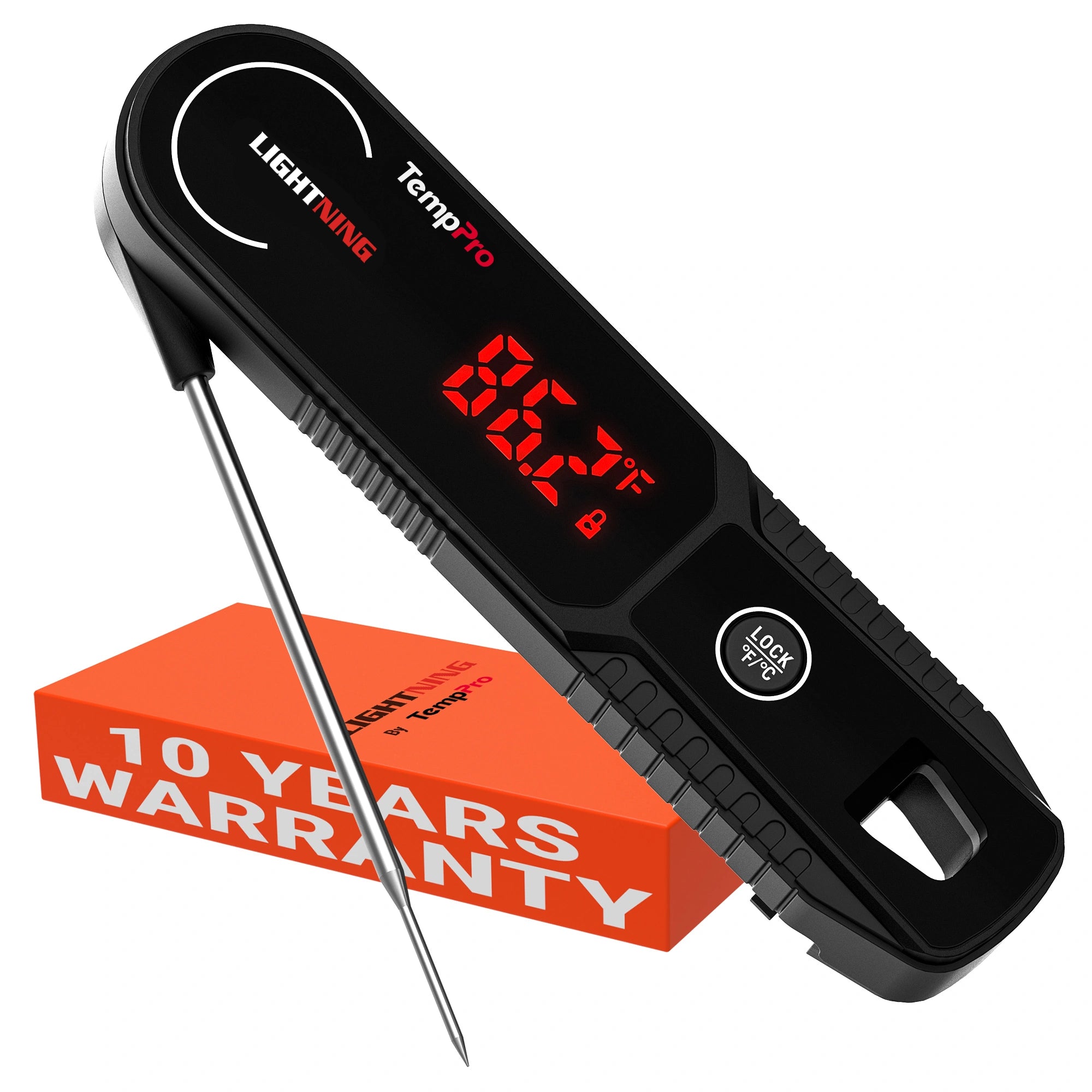
One of the best tools for cooking salmon is a reliable meat thermometer. The TempPro TP622 Instant-Read Meat Thermometer is an excellent choice. It gives quick, exact readings, so you don’t have to guess when your salmon has possibly finished cooking.
The 0.1 response time is very helpful. This way, you can monitor your salmon immediately without any hassle. With its simple display and stylish look, this thermometer is perfect for both professional and home cooks.
Its accuracy of ±0.5°F (±0.3°C) takes the guessing out of cooking. This thermometer promises that your salmon will always be cooked to the perfect level, no matter how much you know about cooking.
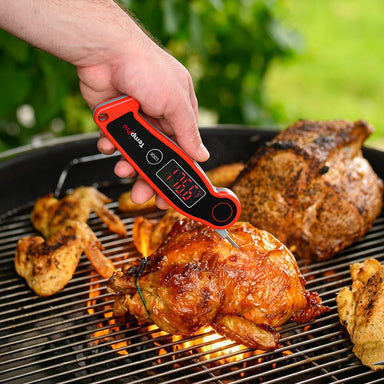
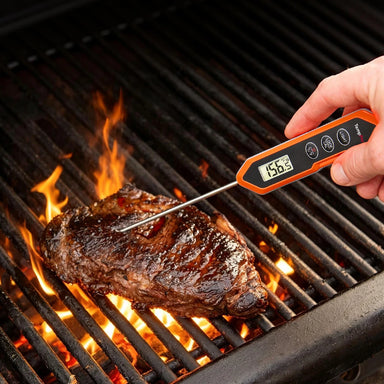
Its display can also be read from any angle thanks to its 180° rotation. This is especially helpful when checking the salmon’s internal temperature when cooking in a pan or on the grill. Plus, the smart sleep/wake mode activates the thermometer when you pick it up, so you don’t have to worry about fumbling with buttons while cooking.

Bake at the Right Temperature
Preheat your oven to 375°F to 400°F (190°C to 200°C). For perfectly cooked salmon, the internal temperature should reach 145°F (63°C) at the thickest part. A general rule of thumb is to bake your salmon for 12 to 15 minutes per inch of thickness.
Read: Baked Pesto Salmon
Grill with Care
Grilling salmon can impart a delicious flavor. Make sure your grill is preheated and lightly oiled to prevent sticking. Cook the salmon skin-side down, and keep an eye on the temperature.
When grilling salmon, aim for a grill temperature of 375°F to 400°F (190°C to 200°C). For perfectly grilled salmon, Cook salmon to 145°F (63°C), measured at the thickest part., as it will continue to rise slightly after being removed from the grill, reaching the safe temperature of 145°F (63°C). Grill time is typically 6 to 8 minutes per side, depending on the thickness of the fillet.
FAQs About Undercooked Salmon
Can I eat salmon raw?
Although you can eat undercooked salmon, raw salmon increases your risk of food-borne diseases, nausea, and vomiting. Hence, you can eat salmon raw, but it must be handled and prepared properly to ensure it’s safe to eat.
Under what temperature should salmon be cooked?
To stop bacterial and parasite development in your salmon, cook it at 145°F (63°C) according to USDA’s advice.
How should I check to see whether my salmon is done?
Use the TempPro Lightning to make sure the thickest section of precisely cooked salmon reaches 145°F (63°C). It should also flake readily with a fork’s pressure.

Can I eat raw salmon from a grocery shop? Is it safe?
While eating raw salmon from a grocery store might be safe, choosing premium fish is vital. Search for salmon tagged as “sushi grade” or “sashimi grade” as this usually denotes that the fish has been handled and frozen correctly to lower the risk of parasite and bacterial transmission.
Final Thoughts: Making an Informed Decision
Whether or not to eat undercooked salmon is a personal choice best informed by knowledge and consideration. Although undercooked fish has actual hazards, you can safely enjoy this great meal with the correct source and cooking methods.
Ultimately, always prioritize quality when selecting salmon and use kitchen tools like the TempPro TP622 Instant Read Meat Thermometer to know the internal temp of salmon.
With the right approach, you too can enjoy the many flavors and health benefits of salmon while minimizing potential risks.
A food thermometer makes it easier to check your salmon's internal temperature and cook with confidence. Explore the TempPro Fall Clearance Sale for limited-time deals on meat thermometers and more.

Comments

Recommended Products