9 astuces pour des crevettes parfaitement cuites et jamais caoutchouteuses


 288 Comments


Les crevettes sont l'une des protéines qui cuisent le plus rapidement. Mais c'est aussi pourquoi elles ont tendance à être trop cuites. Il suffit d'un peu plus de temps que vous ne le souhaitez, ou si la chaleur est un peu trop forte, et vous passerez de tendres et juteuses à raides, caoutchouteuses et sèches. Souvent, les cuisiniers ne remarquent même pas la transition. Les cuisiniers recherchent généralement un indicateur, ou se fient simplement à une minuterie, et au moment où ils réagissent enfin à la situation, il est déjà trop tard.
Les crevettes ne permettent pas beaucoup d'ajustement. Elles sont très sensibles à la chaleur. Elles réagissent rapidement à la chaleur et continuent de cuire après avoir été retirées de la source de chaleur. La marge entre des crevettes parfaites et des crevettes ratées est souvent aussi courte que quelques secondes.
Lorsque vous apprenez à contrôler la chaleur et la température de votre surface de cuisson, cuisiner des crevettes est l'un des aliments les plus simples à cuisiner avec une qualité constante.
9 astuces utiles pour cuisiner les crevettes
Ne pas trop cuire les crevettes
La surcuisson des crevettes est probablement l'erreur la plus courante lors de leur préparation. Et cela arrive la plupart du temps. Quand les gens cuisinent des crevettes, ils les laissent sur le feu "juste pour être sûrs". Mais ce temps supplémentaire est tout ce qui est nécessaire pour gâcher les crevettes. Les crevettes cuisent en fait beaucoup plus vite que la plupart des gens ne l'imagineraient. Laisser les crevettes sur le feu après ce point ne fait que tendre les brins de protéines et les assécher.
Vous voulez que les crevettes soient cuites à la perfection. Ne les laissez pas sur le feu. Dès que les crevettes atteignent le point d'être cuites à la perfection, vous devez les retirer immédiatement du feu.
Soyez attentif aux indices visuels, mais ne vous fiez pas uniquement à eux
Les crevettes produisent un indice visuel lorsqu'elles approchent de la fin de la cuisson. Elles changent de couleur. Au début, elles sont translucides. Puis elles commencent à devenir blanches. Elles prennent une forme de « C » en cuisant. C'est excellent ; cependant, ce n'est pas un indice fiable. Au moment où elles développent un « O » solide, elles sont trop cuites.
Les indices visuels se développent rapidement. Pendant que vous observez l'indice visuel des crevettes, il peut être trop tard pour les sauver. Par conséquent, il est préférable de combiner un indice visuel avec un contrôle de la température.

Cuire les crevettes à feu moyen. Ne les cuisez pas à feu vif.
Cuire les crevettes à feu vif semble être la bonne méthode. Cependant, cuire les crevettes à feu vif joue contre vous.
La chaleur vive cuit l'extérieur de la crevette trop rapidement. Avant que l'intérieur de la crevette ne puisse rattraper son retard, l'extérieur est déjà cuit. Cette cuisson inégale contribue à des problèmes de texture et augmente la probabilité de surcuisson des crevettes.Cuire les crevettes à feu moyen vous offre plus de contrôle. Cela vous permet de réagir au bon moment, sans sacrifier la saveur. Pour la cuisson des crevettes, le contrôle prime toujours sur la vitesse.
Donnez de l'espace aux crevettes pour la cuisson. Ne pas surcharger la poêle.
Quand les crevettes sont entassées, elles ne saisissent pas. Surcharger la poêle provoque la formation de vapeur autour des crevettes. La vapeur ajoute de l'humidité aux crevettes. L'humidité réduit la température de la poêle. La vapeur empêche les crevettes de cuire correctement.
Au lieu d'obtenir une belle croûte dorée sur les crevettes et une texture ferme, la surpopulation de la poêle se traduit par des crevettes molles et de texture irrégulière. Prévoyez un espace suffisant pour que chaque crevette puisse cuire. Si nécessaire, divisez les crevettes en lots. Cela permet à la chaleur de circuler autour de chaque crevette. Un processus de cuisson homogène aura lieu.
Utiliser la température pour mesurer le processus de cuisson
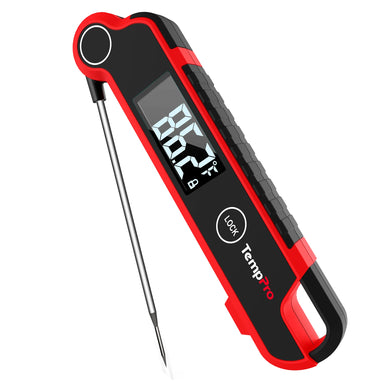
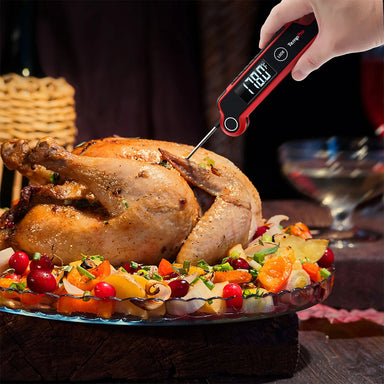
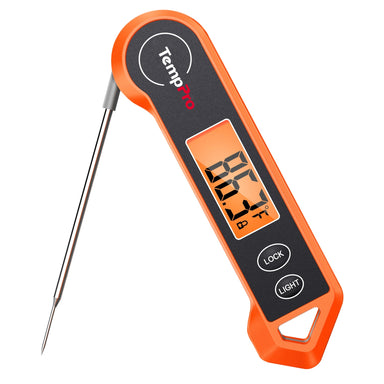
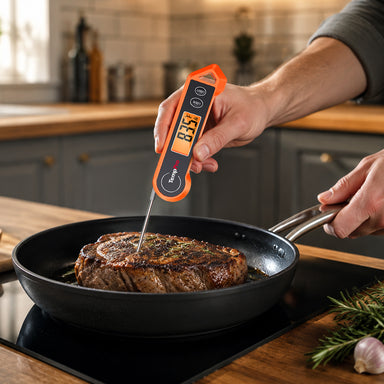
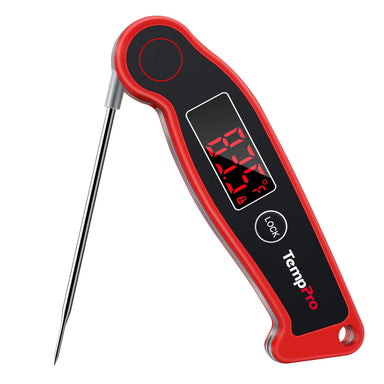
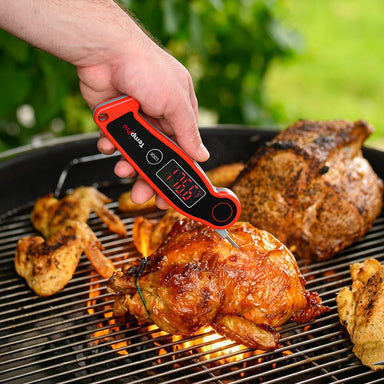
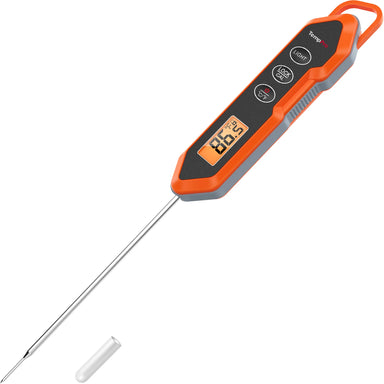
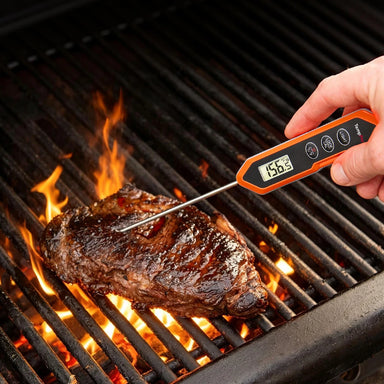
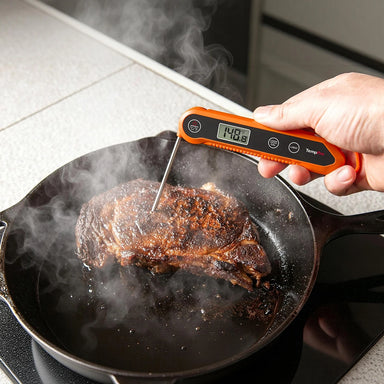
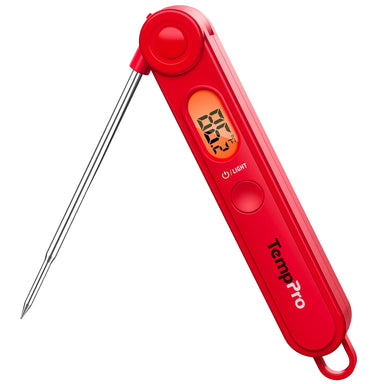
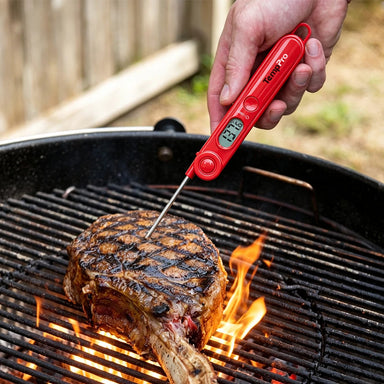
Compte tenu de la rapidité du processus de cuisson des crevettes, se fier uniquement à des suppositions ne suffira pas. Pendant que vous réfléchissez encore à savoir si les crevettes sont cuites, elles pourraient déjà être trop cuites. Pour évaluer précisément le processus de cuisson, utilisez un thermomètre alimentaire tel que le Thermomètre à viande à lecture instantanée TempPro TP622.
L'utilisation du TempPro TP622 vous fournit des lectures instantanées en 0,1 seconde et offre des lectures de température précises de ±0,5 °F (±0,3 °C). Avec ce niveau de rapidité, vous pouvez surveiller en continu le processus de cuisson.
Tout retard dans la lecture de la température des crevettes peut entraîner une surcuisson.
La fonction de verrouillage du TempPro TP622 vous permet également de mesurer la température des crevettes loin de la source de chaleur. Cela vous évite de devoir rester au-dessus de la poêle ou du gril tout en essayant d'obtenir une lecture de température.

Retirer les crevettes du feu et laisser la chaleur résiduelle terminer la cuisson
Après avoir retiré les crevettes de la source de chaleur, elles continuent de cuire. Si vous attendez que les crevettes aient l'air entièrement cuites dans la poêle, elles dépasseront le point de cuisson pendant la phase de repos. C'est ainsi que vous vous retrouvez avec une texture caoutchouteuse.
Retirez les crevettes un peu plus tôt que vous ne le feriez normalement. Laissez la chaleur résiduelle terminer la cuisson. Cela maintiendra la tendreté des crevettes et évitera la surcuisson sans nécessiter d'effort supplémentaire.
Manipulez les crevettes le moins possible
Un mouvement excessif des crevettes pendant la cuisson perturbe le processus de cuisson. Les crevettes ont besoin d'un contact thermique continu et ininterrompu pour cuire uniformément. Une agitation excessive pendant la cuisson provoque une cuisson irrégulière.
Laissez les crevettes cuire de chaque côté pendant une brève période avant de les retourner. Manipuler les crevettes au minimum donnera une meilleure texture et consistance.
Utilisez l'outil approprié pour la tâche
Étant donné que les crevettes cuisent rapidement, l'outil que vous utilisez joue un rôle important. Si votre thermomètre alimentaire met trop de temps à donner une lecture, les crevettes continueront de cuire. Tout retard dans la lecture de la température peut faire dépasser aux crevettes la plage de cuisson optimale.
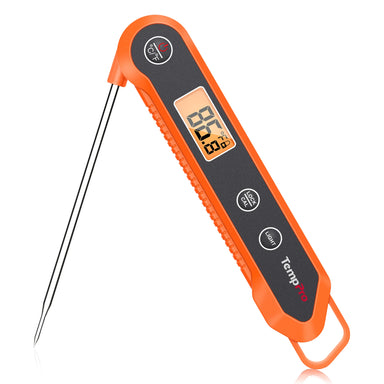
Le TempPro TP622 a été créé pour répondre aux exigences de rapidité et de commodité :
- Temps de réponse de 0,1 seconde
- Grand écran rétroéclairé pour une meilleure visibilité
- Écran rotatif à 180° pour une visualisation facile sous n'importe quel angle
- Sonde pliable pour une facilité d'utilisation
- Rangement magnétique pour l'accessibilité
Il a été créé spécifiquement pour les situations où le timing est crucial, comme pour la cuisson des crevettes.

Assurez une précision constante de vos instruments
La précision des instruments est essentielle pour obtenir des résultats constants. Si votre thermomètre à viande est imprécis, tout le reste s'effondre. Même une erreur de quelques degrés seulement peut modifier radicalement la texture des crevettes.
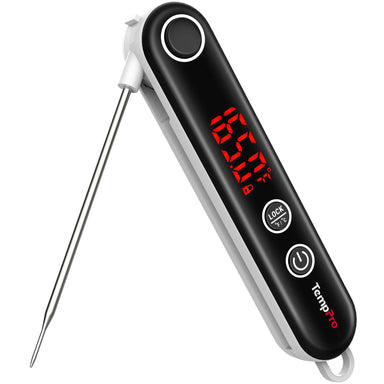
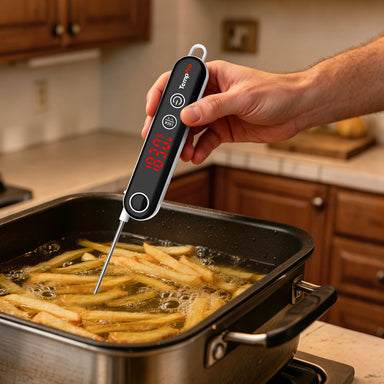
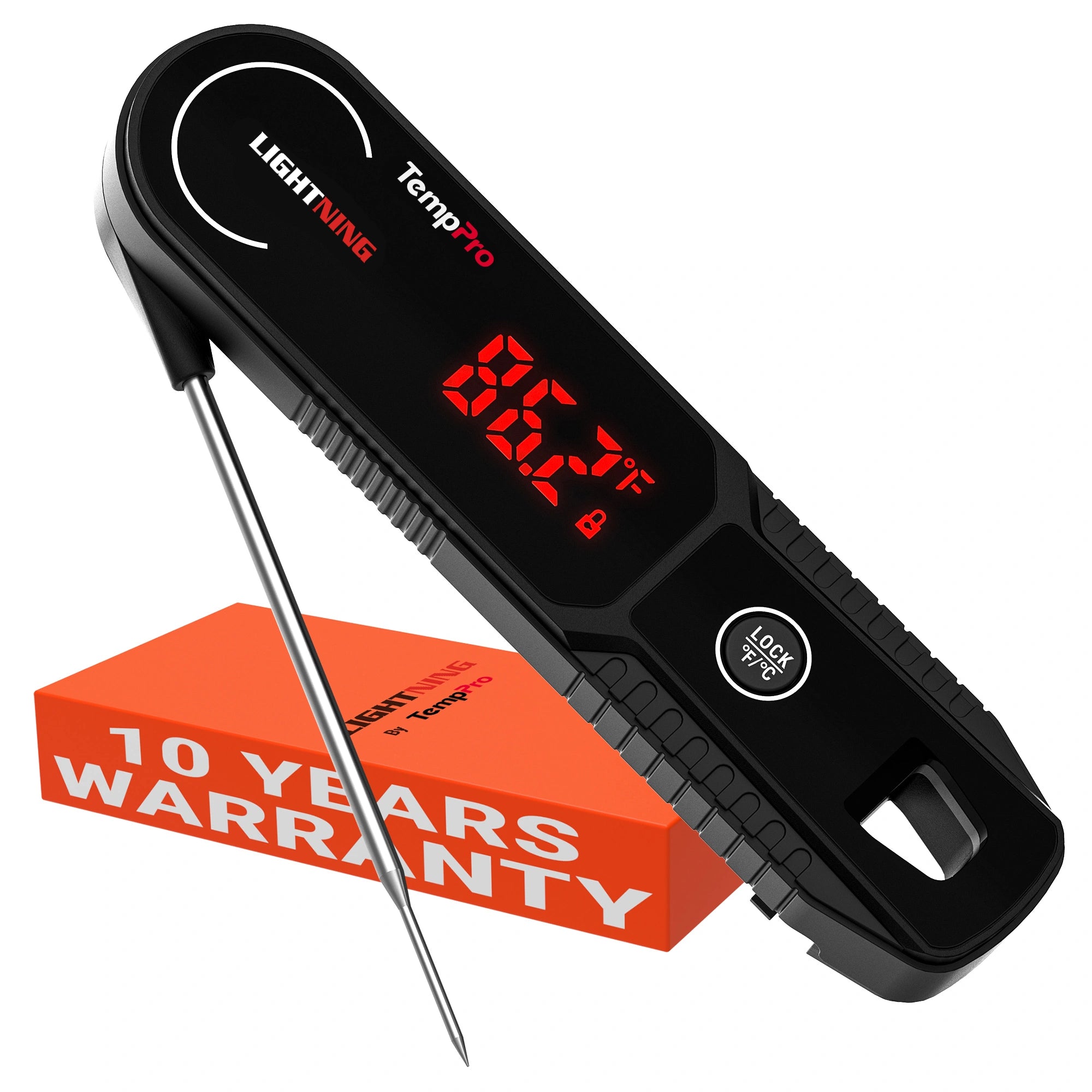
Le TempPro TP620 dispose d'une fonction de calibrage qui garantit la précision et la fiabilité de l'instrument tout au long de sa durée de vie. De plus, la conception durable de l'instrument lui permet de résister à une utilisation répétée sans compromettre la précision. La fiabilité est ce qui vous permet d'obtenir constamment d'excellents résultats.
Questions fréquentes sur la cuisson des crevettes
Q1. Pourquoi les crevettes deviennent-elles caoutchouteuses ?
Parce qu'elles sont trop cuites, ce qui contracte les protéines et élimine l'humidité.
Q2. Combien de temps faut-il cuire les crevettes ?
Généralement 1 à 3 minutes selon la taille et la méthode de cuisson.
Q3. Ai-je besoin d'un thermomètre alimentaire pour les crevettes ?
Non obligatoire, mais un thermomètre à viande à lecture instantanée aide à prévenir la surcuisson, car les crevettes cuisent très rapidement.
Q4. Quel est le meilleur niveau de chaleur pour les crevettes ?
Une chaleur moyenne offre un meilleur contrôle et prévient la surcuisson.
Q5. Quelle est la plus grande erreur lors de la cuisson des crevettes ?
Les laisser trop longtemps sur le feu et ne se fier qu'aux indices visuels au lieu du contrôle.

Commentaires
Vous aimerez peut-être aussi


Produits recommandés