7 astuces sur le faux-filet que les bouchers ne vous disent pas


 288 Comments


Beaucoup de gens ignorent le faux-filet. Le faux-filet occupe une place délicate. Il est moins cher que l'entrecôte, moins tendre que le filet mignon et moins indulgent que les morceaux plus gras. C'est pourquoi la plupart des gens, soit ils le délaissent, soit ils le cuisinent comme n'importe quel autre steak en espérant le meilleur. Et c'est pour cela qu'il a mauvaise réputation.
Le faux-filet n'est tout simplement pas une mauvaise pièce de viande. C'est juste un morceau qui demande beaucoup d'attention. Il contient moins de graisse. Par conséquent, la marge d'erreur est plus faible.
- Trop le cuire, et il devient dur
- Pas assez le cuire, et la texture devient étrange
- Le cuire sans soin, et il n'aura pas meilleur goût que la pièce la moins chère
Cependant, lorsqu'il est préparé correctement, le faux-filet offre quelque chose que beaucoup ignorent : un goût de bœuf pur et authentique, un équilibre idéal de texture et des résultats constants sans se ruiner. Ce qui distingue le faux-filet des autres steaks, c'est la façon dont le cuisinier le prépare, et non l'argent qu'il y consacre.
7 astuces pour un faux-filet plus savoureux
Ne cuisinez pas un faux-filet comme une entrecôte
Nous supposons que tous les steaks se cuisent de la même manière. C'est faux. Alors que l'entrecôte mise sur le gras pour la saveur et l'indulgence, le faux-filet ne le fait pas. Cela signifie que vous ne pouvez pas utiliser uniquement la chaleur pour garantir les résultats souhaités.
Le faux-filet nécessite une cuisson contrôlée. Il vaut mieux privilégier une approche plus mesurée, où la chaleur est appliquée de manière prudente et délibérée plutôt qu'agressive. Lorsque vous cuisinez un faux-filet comme s'il s'agissait d'une pièce grasse, vous risquez fort de vous retrouver avec :
- Des bords secs
- Un centre ferme et caoutchouteux
Comprendre que le faux-filet demande une méthode de préparation différente fait toute la différence entre des résultats moyens et des résultats étonnamment bons.
Cuisez selon la température, pas au toucher ou au temps
Le faux-filet laisse très peu de marge de manœuvre. Cuisiner au temps ou au toucher est probablement l'erreur principale de la plupart des cuisiniers. En raison du manque de graisse excédentaire, le faux-filet peut passer instantanément de tendre à dur. Une différence de quelques degrés seulement peut radicalement modifier le résultat.
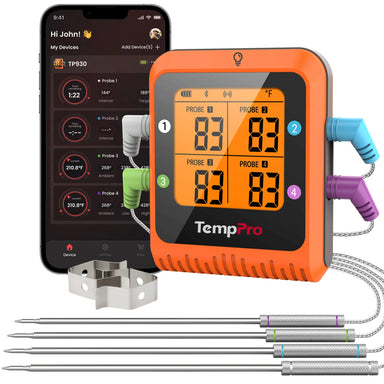
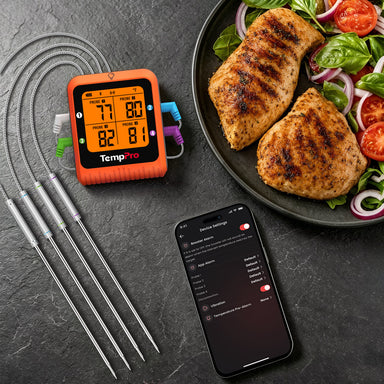
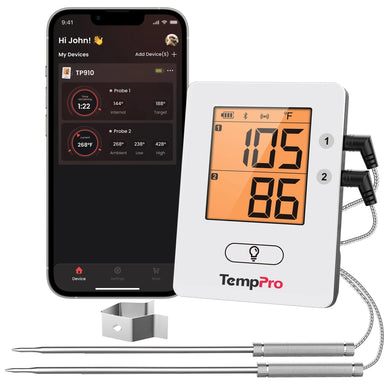
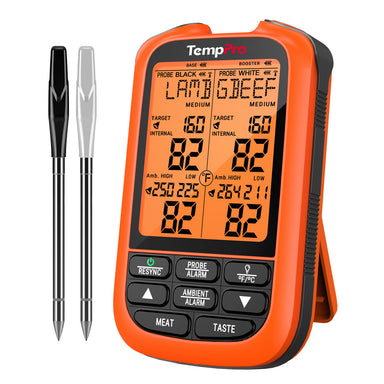
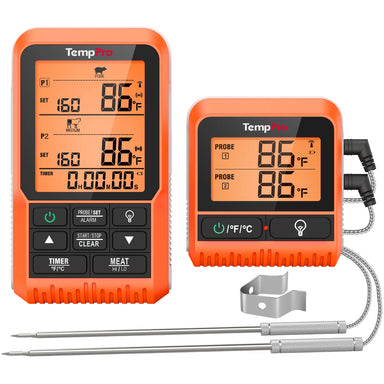
C'est là que le thermomètre à viande sans fil TempPro TP920 devient si précieux. En plus de posséder :
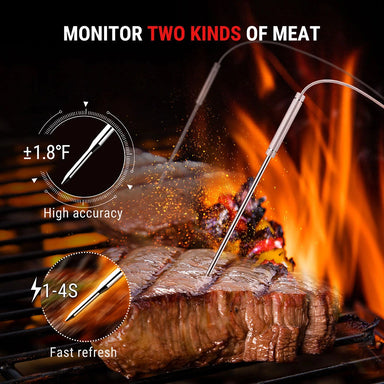
- Deux sondes
- Une connectivité Bluetooth allant jusqu'à 200 mètres

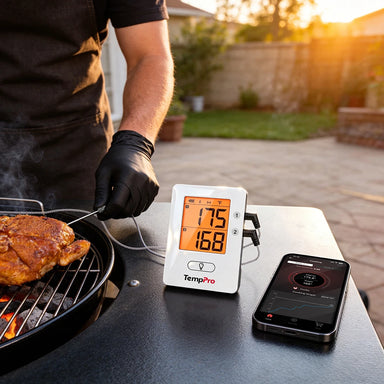
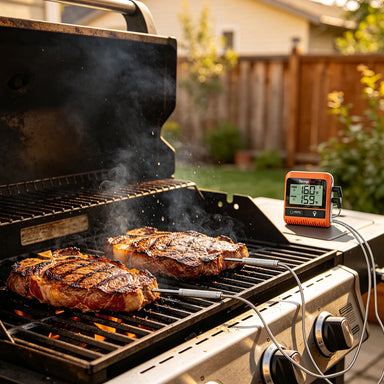
Vous pouvez donc surveiller votre steak sans rester collé au barbecue. Plutôt que de vous fier à votre instinct, vous pouvez suivre la température interne de votre steak en temps réel.
Et cela change tout. Au lieu de réagir à ce qui se passe, vous êtes désormais en mesure de contrôler le processus.
Retirez le steak avant qu'il n'atteigne sa température finale
Il existe plusieurs façons de préparer le faux-filet. L'une des méthodes les moins comprises consiste à retirer le steak avant d'atteindre la température souhaitée.
Le faux-filet continuera de cuire après avoir été retiré de la chaleur. Si vous retirez le steak du gril lorsqu'il atteint votre température cible, il dépassera cette température pendant le repos. C'est ainsi que vous vous retrouvez avec :
- Un steak sec
- Un steak trop cuit
Retirer le steak 3°C plus tôt que votre température cible permet une marge de sécurité. Le retirer plus tôt permet au steak de finir sa cuisson en douceur plutôt que rapidement, tout en conservant à la fois la texture et le jus. Bien que cela puisse sembler un petit ajustement, cela se remarquera particulièrement sur des pièces plus maigres comme le faux-filet.
Laissez le steak reposer plus longtemps que vous ne le souhaitez
C'est au repos que se détermine la qualité du faux-filet. Comme il est moins gras, les sucs à l'intérieur du steak sont plus susceptibles de s'échapper prématurément si le steak est coupé trop tôt. Le laisser reposer permet à ces sucs de se redistribuer uniformément dans toute la pièce.
C'est ce qui maintient le steak juteux, qu'il ait été cuit correctement ou non.
La plupart des gens se précipitent lors de cette étape. Ils coupent le steak trop tôt, perdant tout le bénéfice de leur travail. Laisser reposer correctement le faux-filet est obligatoire dans le processus de cuisson.
Utilisez un gril à deux zones pour un meilleur contrôle
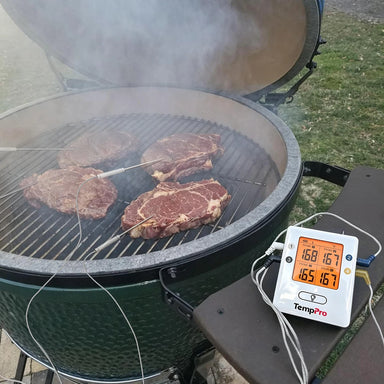
Plus que la plupart des autres pièces, le faux-filet tire grandement profit d'un gril à deux zones. Utiliser uniquement une chaleur élevée est trop risqué. Vous obtenez une saisie rapide, mais vous courez également le risque de trop cuire l'intérieur du steak avant d'avoir pu ajuster.
Un gril à deux zones vous donne la possibilité de :
- Saisir le steak directement au-dessus des flammes
- Le transférer dans la partie plus fraîche du gril pour finir la cuisson plus délicatement
Les deux sondes permettent au TempPro TP920 de surveiller plusieurs zones ou steaks simultanément. Cela vous permet de gérer les sections chaudes et froides du gril sans avoir besoin de vérifier constamment. Avec la capacité de gérer les niveaux de chaleur, la cuisson du faux-filet est nettement moins stressante.

Coupez votre steak correctement ou gâchez toute l'expérience
Vous pouvez parfaitement cuire un faux-filet et tout gâcher à la fin du repas. Le faux-filet contient des fibres musculaires plus clairement définies que les pièces plus grasses. Lorsque vous coupez le steak dans le sens des fibres, vous les laissez intactes, ce qui augmente la dureté de la viande à la mastication.
Couper le steak perpendiculairement au sens des fibres (couper "contre le grain") raccourcit ces dernières. Immédiatement, la texture de la viande s'améliore et la tendreté est rehaussée sans modifier la manière dont le steak a été cuit. À mon avis, trancher un steak correctement est l'une des techniques les plus simples à appliquer et celle qui aura le plus grand impact.
Arrêtez de vérifier le gril toutes les deux minutes
Cette habitude tue la régularité. À chaque fois que vous vérifiez le gril, vous perdez de la chaleur. En conséquence, vous êtes obligé de tout recommencer, ce qui rend difficile le maintien de températures constantes. La régularité est cruciale avec le faux-filet, car tout manque de constance entraîne :
- Une cuisson inégale
- Des résultats variables
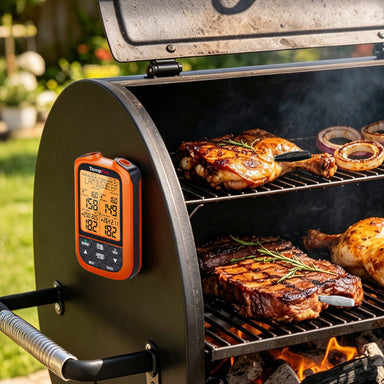
Les thermomètres à viande sans fil comme le TempPro TP920 éliminent le besoin de vérifier constamment. Grâce aux capacités de surveillance à distance via Bluetooth jusqu'à 200 mètres, vous pourrez :
- Surveiller la température de votre steak
- Maintenir des niveaux de chaleur stables
- Laisser votre steak cuire sans interruption
C'est ainsi que vous développez des résultats constants au lieu de résultats aléatoires.
Pourquoi le faux-filet s'améliore-t-il quand on arrête d'improviser ?
La plupart des gens cuisinent en essayant et en échouant. Ils basent leurs ajustements sur leurs expériences passées et espèrent s'améliorer progressivement. Cependant, cette méthode prend beaucoup de temps pour devenir fiable. Une fois que vous passez à une cuisson basée sur la température, toutes les variables qui déterminent le succès deviennent prévisibles.
- Vous savez exactement quand le steak est cuit
- Vous savez quand le retirer
- Vous savez ce que vous obtiendrez quand vous le couperez
Le TempPro TP920 vous offre un retour d'information continu. Comme le thermomètre dispose de :
- Deux sondes
- Une surveillance longue distance
- Une collecte de données en temps réel
Vous n'aurez pas à vous soucier des variables qui causent la majorité des erreurs. En conséquence, la cuisson du faux-filet passe d'une source de frustration à une activité fiable.
FAQ sur la cuisson du faux-filet
Q1. Quelle est la meilleure température pour un faux-filet ?
Saignant, environ 54-57°C, offre le meilleur équilibre entre tendreté et saveur.
Q2. Pourquoi le faux-filet devient-il dur ?
Habituellement à cause d'une surcuisson ou d'un tranchage dans le sens des fibres au lieu d'être perpendiculaire à celles-ci.
Q3. Ai-je besoin d'un thermomètre sans fil pour le faux-filet ?
Ce n'est pas obligatoire, mais un thermomètre à viande sans fil améliore grandement la régularité en permettant une surveillance en temps réel sans ouvrir le gril.
Q4. Combien de temps le faux-filet doit-il reposer après la cuisson ?
Environ 5 à 10 minutes selon l'épaisseur.
Q5. Quelle est la plus grosse erreur lors de la cuisson du faux-filet ?
Cuisiner au temps plutôt qu'à la température, ce qui mène à la surcuisson.


Commentaires
Vous aimerez peut-être aussi


Produits recommandés