Where to Place a Hygrometer at Home for Accurate Readings


For accurate humidity readings, place your hygrometer about 3 to 5 feet above the floor in an open area with good air circulation. Keep it away from direct sunlight, heating and cooling vents, windows, humidifiers, and other moisture sources. In rooms with different humidity conditions, such as basements, bathrooms, and greenhouses, place the device where you want to monitor moisture levels. If you need to track multiple rooms, consider using several hygrometers or a wireless system with remote sensors.
Knowing your home's humidity level can help you create a more comfortable living environment and spot potential moisture problems before they become serious. But simply owning a digital hygrometer isn't enough. Where you place it can make a big difference in how accurately it measures the temperature and relative humidity in your home.
For the most reliable readings, place your hygrometer in an open area with good air circulation, about 3 to 5 feet above the floor. Keep it away from direct sunlight, windows, heating vents, air conditioners, and humidifiers. The best location may vary from room to room, depending on how you use the space and what you want to monitor. Here's how to find the right spot for a hygrometer in different areas of your home.
Table of Contents
Where Is the Best Place to Put a Hygrometer?
In most homes, a good place for a digital hygrometer is on an interior shelf, table, or wall in the middle of the room, away from direct heat, sunlight, and moisture sources. The goal is to measure the air you actually live in, rather than a small area affected by a nearby appliance or outdoor conditions.
Follow these simple placement tips to get more representative readings.
Place It at Breathing Height
A indoor hygrometer should generally be positioned about 3 to 5 feet (0.9 to 1.5 meters) above the floor. This is close to the height of the air you breathe when sitting or standing.
Temperature and humidity can vary between the floor and ceiling, especially in rooms with poor air circulation. Placing the device too high or too low may give you readings that don't reflect the conditions in your main living area. A bookshelf, side table, or wall-mounted position at approximately this height usually works well.

Keep It Away from Direct Sunlight
Direct sunlight can heat the hygrometer and cause its temperature reading to rise above the actual room temperature. Even if the surrounding air feels comfortable, the device may register a warmer environment.
For more reliable readings:
- Avoid sunny windowsills and glass doors.
- Don't place the device where sunlight hits it during certain hours of the day.
- Choose a shaded location away from windows.
A spot on an interior wall or a shelf away from direct sunlight is usually a better choice.
Avoid Heating and Cooling Sources
Heating and cooling equipment can create localized temperature changes that don't represent the rest of the room.
Keep your hygrometer away from:
- Heating vents and radiators
- Air conditioning vents
- Space heaters
- Fireplaces and wood stoves
- Heat-producing appliances
For example, an indoor hygrometer placed directly above a heating vent may show a higher temperature and lower relative humidity than the rest of the room. Near an air conditioner, it may register cooler conditions than you experience elsewhere.
Keep It Away from Humidifiers and Dehumidifiers
Humidifiers and dehumidifiers directly change the moisture level of the surrounding air. A hygrometer placed too close to either device may show an unusually high or low reading.
If you're using a humidifier, keep the hygrometer outside the mist's direct path. For a dehumidifier, avoid placing it right beside the air outlet.
Instead, position the device in another part of the room where it can measure the general humidity level. This helps you understand whether the entire room is reaching your desired humidity range, rather than just the air immediately around the equipment.
Choose an Open Area with Good Air Circulation
Your hygrometer needs exposure to the surrounding room air to provide useful readings. Placing it inside a closed cabinet or behind furniture can limit airflow and make its readings less representative.
Choose a location that:
- Is not blocked by curtains, furniture, or other objects.
- Has enough space around the device for air to circulate.
- Is away from enclosed spaces such as drawers and storage cabinets.
- Is easy to access so you can check the readings regularly.
Avoid placing the device in a tight corner where air tends to remain stagnant.
Where to Place a Hygrometer in Different Rooms
Every room has different temperature and moisture conditions. A location that works well in a living room may not be suitable for a bathroom or basement.
Here's where to place a hygrometer in the most common areas of your home.
Living Room
The living room is often one of the best places to monitor your home's general indoor humidity because it's where many people spend a large part of their day.
Place the hygrometer on a shelf, side table, or interior wall around 3 to 5 feet above the floor. Choose a spot away from windows, fireplaces, heating vents, and air conditioning units. If your living room has an open floor plan, avoid placing the device directly next to the kitchen or another area where cooking heat and steam may affect its readings.

Bedroom
Bedroom humidity can affect how comfortable your sleeping environment feels, especially during winter when indoor air tends to become dry.
A nightstand or dresser can be a convenient place for a hygrometer, provided it's not directly exposed to a humidifier, heating vent, or sunlight.
If you use a bedside humidifier, position the hygrometer several feet away from the mist outlet. This helps you monitor the humidity throughout the bedroom rather than the concentrated moisture around the humidifier. For more consistent monitoring, keep the device in the same location instead of moving it around frequently.

Basement
Basements are more likely to experience moisture problems because they are below ground level and may have limited ventilation.
Place a hygrometer in an open area away from walls, pipes, windows, and dehumidifiers. If your basement has multiple rooms or separate storage areas, consider using more than one hygrometer to check for differences in humidity.
Pay particular attention to:
- Corners where condensation may develop.
- Areas near exterior walls.
- Storage spaces containing cardboard, furniture, or other moisture-sensitive items.
- Rooms that feel damp or have a musty smell.
If you're investigating a specific damp area, you can place an additional hygrometer nearby to monitor conditions. However, keep it away from direct contact with wet surfaces.
Read More: What’s the Ideal Humidity in Basement

Kitchen
Cooking produces heat and moisture, which can temporarily change the humidity in your kitchen. Steam from boiling water, dishwashers, and other appliances can also affect nearby readings.
Place your hygrometer on a shelf or counter away from the stove, oven, dishwasher, and sink. Avoid locations directly above cooking appliances or close to steam-producing equipment. For a more accurate picture of everyday kitchen conditions, check the readings when you're not actively cooking.
Bathroom
Bathrooms experience frequent humidity changes from showers and baths. A hygrometer can help you understand how quickly moisture levels return to normal after bathing.
Place it on a shelf or wall away from the shower, bathtub, and sink. Keep it out of the direct path of shower spray and steam. A bathroom hygrometer should also be suitable for the room's environment. Check the manufacturer's instructions for moisture resistance before placing an electronic device in a bathroom.
After a shower, observe how the humidity changes as the exhaust fan runs or a window is opened. If humidity remains elevated for a long time, it may be worth improving bathroom ventilation.
Read More: How to Reduce Humidity in Bathroom

Attic
Attics can experience significant temperature and humidity changes due to roof exposure, insulation, and ventilation.
Place a hygrometer in an accessible area away from the roof surface, direct sunlight, and ventilation openings. Avoid putting it directly against insulation or in a spot where airflow is restricted.
If you use your attic for storage, monitoring humidity can help you identify conditions that may affect stored belongings. For larger attics, more than one monitoring point may be useful.
Indoor Gardens and Greenhouses
Indoor gardens and greenhouses often need closer humidity monitoring because different plants thrive under different moisture conditions. Knowing the right temperature and humidity for indoor plants can help you create a suitable growing environment and keep your plants healthy.
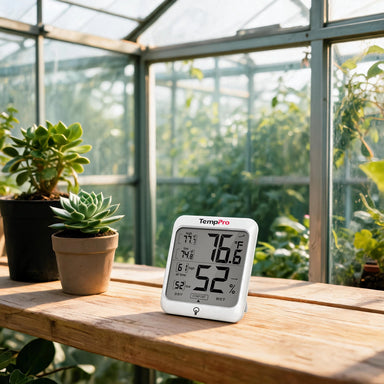
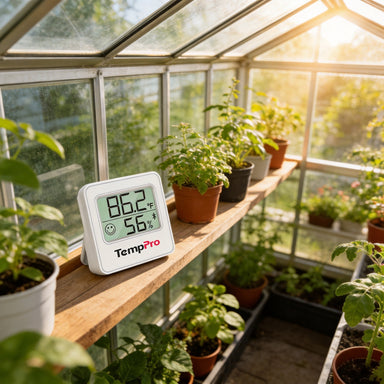
Place your hygrometer near the plants you want to monitor, ideally at the height of their leaves. Avoid placing it directly next to a humidifier, watering area, or greenhouse ventilation fan, as these can create readings that don't represent the surrounding growing environment.

For more reliable readings:
- Keep it near plant foliage: Position the hygrometer around the height of the leaves to measure the air your plants experience.
- Avoid direct sunlight: Greenhouse sunlight can heat the device and affect its temperature readings.
- Stay away from misting systems: Direct exposure to water droplets or mist can produce misleading humidity readings.
- Check different areas: Larger greenhouses may have humidity differences between corners, shelves, and growing zones. Use multiple hygrometers if needed.
If you grow plants with different humidity requirements, consider monitoring each growing area separately. This makes it easier to maintain suitable conditions for tropical plants, succulents, and other varieties.
Reptile Enclosures
Reptiles such as snakes, geckos, and bearded dragons often need specific temperature and humidity conditions to stay healthy. A digital thermo-hygrometer for reptiles helps you monitor moisture levels inside their enclosures and make adjustments when needed.
For accurate readings, place the hygrometer inside the enclosure, near the area where your reptile spends most of its time. Avoid positioning it directly above a water bowl or next to a misting nozzle, as these locations may produce readings that don't reflect the enclosure's overall humidity.
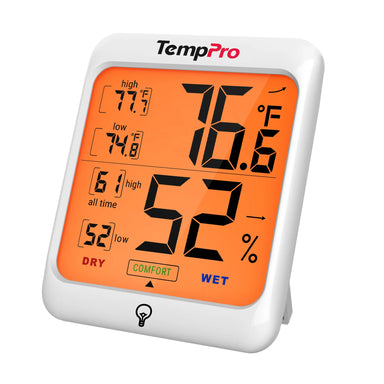
For reptile owners who need reliable temperature and humidity monitoring, the TempPro TempAir CORE TP150 Greenhouse Thermometer & Hygrometer is a practical option. Its IPX5 water-resistant design makes it suitable for humid environments, while its ±1°F temperature accuracy, ±2% RH humidity accuracy, and 24-hour high/low records help you keep track of changing enclosure conditions.

Keep in mind that different reptile species have different humidity requirements. Always check the care guidelines for your specific pet and adjust the enclosure environment accordingly.
Nursery
A comfortable indoor environment is important for a baby's room. A hygrometer can help parents monitor temperature and humidity of the nursery, especially during seasons when indoor air tends to become too dry or humid.
Place the hygrometer on a shelf or dresser, approximately 3 to 5 feet above the floor. Keep it away from the crib, windows, heating vents, and humidifiers. Avoid placing it within your baby's reach or anywhere it could fall into the crib.
Check the readings regularly to make sure the nursery stays within a comfortable temperature and humidity range.

Home Office
If you spend several hours working from home, monitoring indoor humidity can help you maintain a more comfortable workspace. Air that is too dry may cause dry skin, irritated eyes, and throat discomfort, while excessive humidity can make the room feel stuffy.
Place your hygrometer on your desk, bookshelf, or a nearby shelf, away from computers, monitors, direct sunlight, and heating or cooling vents. Avoid placing it directly next to a window where drafts may affect the readings.
Checking humidity level in home office throughout the workday can help you identify changes in your indoor environment and decide whether you need to adjust ventilation or use a humidifier or dehumidifier.

Wine Cellar
Maintaining stable temperature and humidity is important for storing wine properly. Humidity that is too low may cause natural corks to dry out over time, while excessive moisture can encourage mold growth on labels, shelves, and surrounding surfaces.
Place a hygrometer on a shelf or wall in an open area of your wine cellar, ideally around the height of your wine bottles. Keep it away from cooling units, ventilation outlets, exterior walls, and areas with direct airflow. For larger wine cellars, consider using multiple hygrometers to monitor different sections.
As a general guideline, many wine storage environments aim for around 50% to 70% relative humidity, although stable conditions are more important than chasing an exact number. Regularly checking both temperature and humidity in cellar can help you maintain a suitable environment for long-term wine storage.

Should You Place a Hygrometer in Every Room?
You don't necessarily need a hygrometer in every room. The right setup depends on your home's size, how much humidity varies between rooms, and whether you want occasional readings or continuous monitoring. If you want to keep track of indoor humidity in multiple areas, there are several ways to do it, from using one portable hygrometer to setting up multiple devices or a wireless monitoring system.
Use One Hygrometer and Move It Between Rooms
If you only want to check the humidity levels in different rooms occasionally, one hygrometer may be enough. Simply move the device from one room to another whenever you want to check the conditions in that space.
After moving it, give the hygrometer enough time to adjust to the new environment before relying on its readings. This is an affordable and practical option for smaller homes or people who don't need continuous humidity monitoring.
However, moving a hygrometer frequently makes it harder to track humidity changes over time or compare readings across rooms at the same moment.
Use Multiple Indoor Hygrometers
You don't necessarily need a hygrometer in every room, but having several devices can help you monitor humidity in different areas of your home. This is especially useful if you have multiple floors, bedrooms, or rooms with different heating and ventilation conditions.
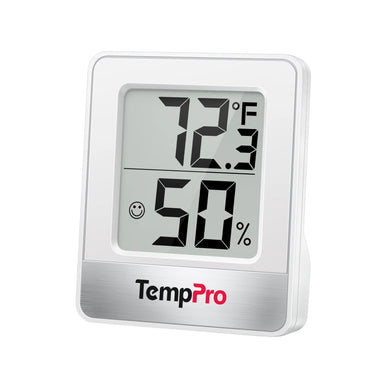
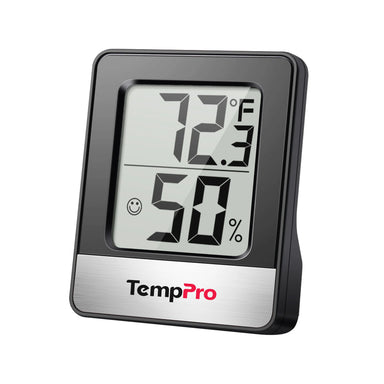
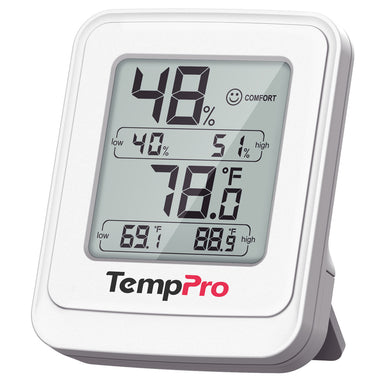
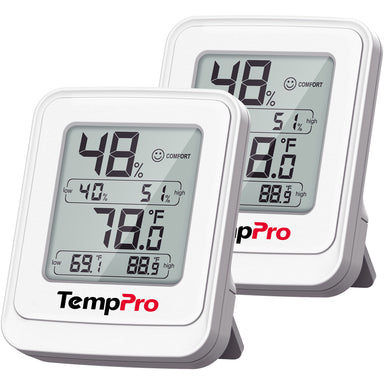
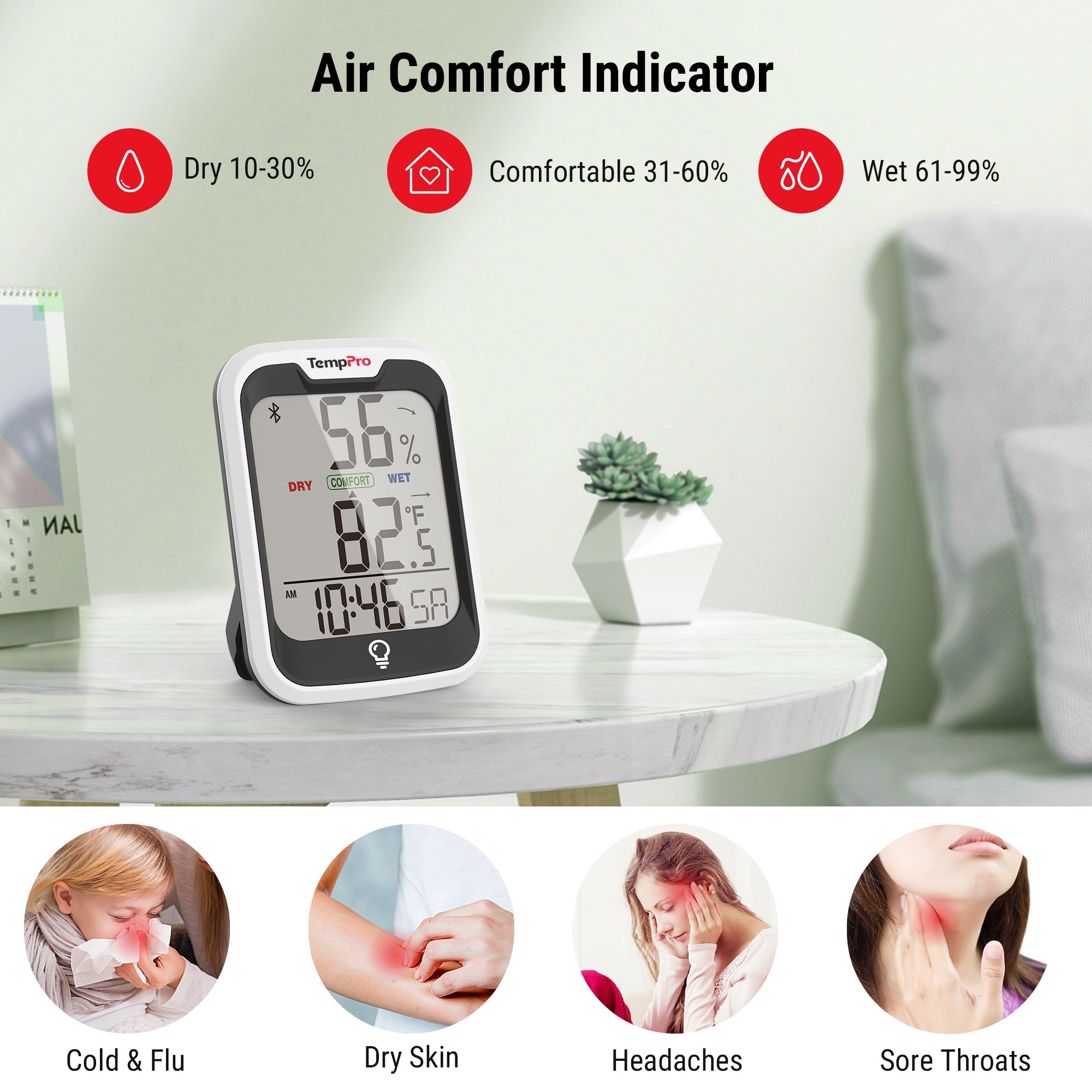
The TempPro TempAir CORE TP50 Indoor Thermometer Hygrometer is available in 1-pack, 2-pack, and 3-pack options, so you can choose the number of units that best fits your needs. Place each device in a different room or on a separate floor to compare indoor conditions. It also records daily high and low temperature and humidity readings, helping you track fluctuations throughout the day and identify changes you might otherwise miss.

Choose a Wireless Indoor/Outdoor Thermometer Hygrometer
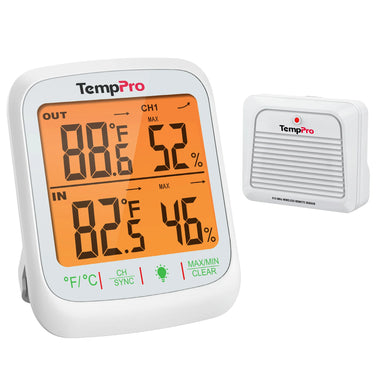
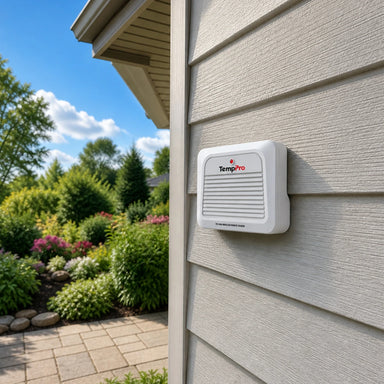
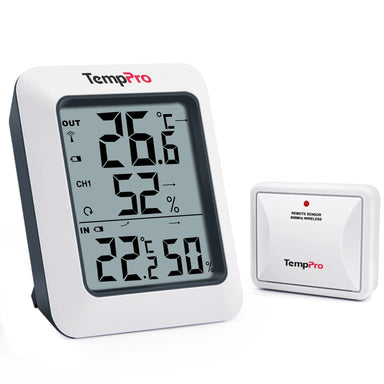
If you prefer checking readings from multiple locations on one display, a wireless indoor/outdoor thermometer and hygrometer is another convenient option. You can place remote sensors in different rooms or outdoor areas and monitor their temperature and humidity readings from a central display.
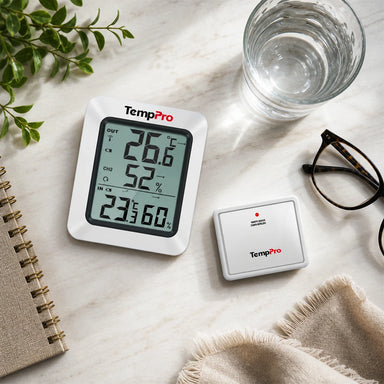
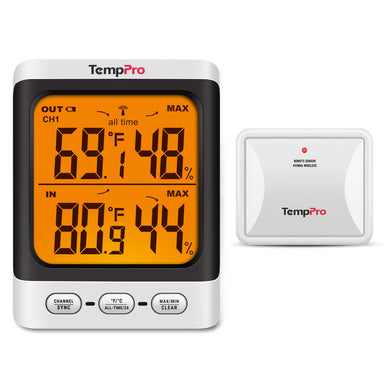
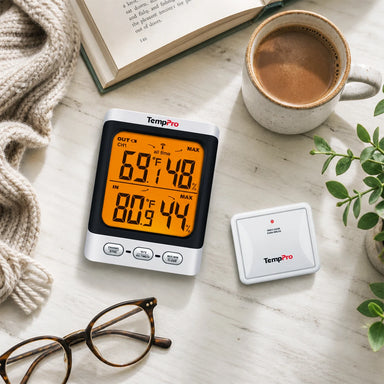
The TempPro TempAir PLUS TP260B Wireless Indoor Outdoor Thermometer Hygrometer can monitor temperature and humidity in up to four locations simultaneously. It supports up to three remote sensors, with one included and two additional sensors available separately. Its weatherproof, cold-resistant sensors make it suitable for monitoring both indoor and outdoor conditions.

For more detailed guidance, see our guide on where to place remote sensors for indoor and outdoor thermometers and hygrometers. It covers practical placement tips to help you get more reliable temperature and humidity readings from different locations around your home.
What Is the Ideal Indoor Humidity Level?
According to the U.S. Environmental Protection Agency (EPA), indoor relative humidity should ideally be kept between 30% and 50%. Maintaining humidity within this range can help improve indoor comfort and reduce conditions that encourage mold growth.
Here's a simple guide to understanding your hygrometer readings:
| Relative Humidity | What It Means |
|---|---|
| Below 30% | Air may feel excessively dry. Consider using a humidifier if needed. |
| 30%–50% | Ideal indoor humidity range recommended by the EPA. |
| 50%–60% | Higher than the ideal range. Monitor humidity and watch for signs of excess moisture. |
| Above 60% | Excess moisture can increase the risk of mold growth. Consider improving ventilation or using a dehumidifier. |
If your hygrometer consistently reads below 30%, you may want to consider using a humidifier. If readings remain above 50% to 60%, look for potential moisture sources and consider improving ventilation or using a dehumidifier.
Remember that the goal isn't to achieve a particular number at all times. It's to maintain a comfortable indoor environment while preventing excessive dryness or moisture.
FAQs About Where to Place a Hygrometer
Should a hygrometer be placed high or low?
A digital hygrometer is generally best placed about 3 to 5 feet above the floor, around the height of the air you breathe. Avoid placing it directly on the floor or near the ceiling, where temperature and humidity may differ from the main living area.
Can I put a hygrometer on a windowsill?
It's best to avoid windowsills, especially those exposed to direct sunlight. Sunlight can heat the device, while drafts and outdoor air entering through nearby windows may affect its readings. An interior shelf away from the window is usually a better choice.
Should I put my hygrometer near my humidifier?
No. A hygrometer placed too close to a humidifier may measure the moisture in the mist rather than the humidity throughout the room. Position it several feet away from the humidifier and outside the direct mist path.
Can I place a hygrometer on the floor?
It's generally not recommended. Air temperature and humidity can vary at different heights, and the floor may be affected by cold surfaces or moisture. Place the device on a shelf, table, or wall approximately 3 to 5 feet above the floor instead.
Where should I place a hygrometer in a basement?
Place it in an open area with good air circulation, away from exterior walls, windows, pipes, and dehumidifiers. If your basement has several rooms or areas with different moisture conditions, consider placing additional hygrometers in those locations.
How far should a hygrometer be from a humidifier?
There isn't one universal distance for every hygrometer and humidifier. The important thing is to keep the device outside the direct mist path and far enough away that it measures the room's general humidity rather than the concentrated moisture around the humidifier. Follow the manufacturer's placement recommendations when available.
Final Thoughts
Finding the right place for a hygrometer doesn't have to be complicated. Whether you put one in your living room, bedroom, basement, or greenhouse, the key is to choose a location that reflects the area's normal temperature and humidity conditions. Keep it away from direct sunlight, heating and cooling vents, and nearby moisture sources for more reliable readings.
If you want to monitor multiple rooms, you can use several individual hygrometers or choose a wireless indoor outdoor thermometer with remote sensors. By checking humidity regularly and understanding what the readings mean, you can make better decisions about humidification, ventilation, and moisture control to keep your home comfortable throughout the year.

Comments
Recommended Products