Perfecting Steak Doneness: A Comprehensive Guide to Temperature and Timing


 288 Comments


Cooking steak is about more than just timing — it’s about reaching the ideal internal temperature. Whether you’re searing a ribeye on a cast-iron skillet or grilling a sirloin outdoors, understanding how temperature affects doneness ensures consistent results every time.
For this guide, we’ll reference a 1-inch-thick steak cooked over high heat in a lightly oiled cast-iron pan. For best results, use an instant-read thermometer to monitor the internal temperature accurately, and always let your steak rest 5–10 minutes after cooking to lock in the juices.
Note: The temperatures listed below reflect the final internal temperature after resting, not while the steak is still in the pan.

1. Blue Rare (Very Rare)
Center Temperature: 115–120°F (46–49°C)
Blue rare is for purists who enjoy the purest taste of beef. The steak is quickly seared on the outside while the inside remains nearly raw — soft, tender, and deep red throughout. Its texture is more similar to sashimi than a traditional steak.
Tip: Only use high-quality, bacteria-free cuts like premium Wagyu or grass-fed beef for this level of doneness.
2. Rare
Center Temperature: 125–130°F (52–55°C)
Rare steaks remain quite red and juicy inside, with approximately 75% of the cross-section still pink. This level delivers an intense, meaty flavor with a slightly metallic note.
Safety Consideration: According to USDA guidelines, meat should reach at least 145°F (62°C) for safe consumption. If you prefer rare, ensure your meat has been properly handled or previously frozen.
3. Medium Rare
Center Temperature: 130–140°F (55–60°C)
Medium rare is often considered the ideal level of doneness. A lightly charred crust surrounds a warm pink center, striking a balance between tenderness and flavor.
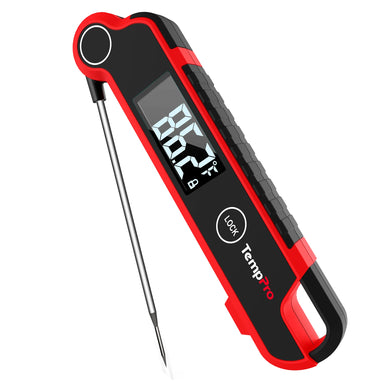
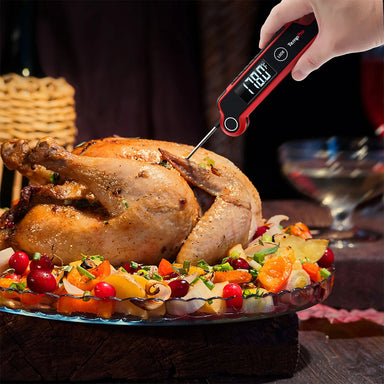
Tip: Using an instant-read thermometer allows you to check internal temperature in just a few seconds, helping prevent overcooking.
4. Medium
Center Temperature: 140–150°F (60–65°C)
At medium doneness, only about 25% of the steak’s center remains pink. The meat fibers tighten, giving a firmer texture and enhancing aroma. Medium works particularly well for lean cuts such as tenderloin (filet mignon).
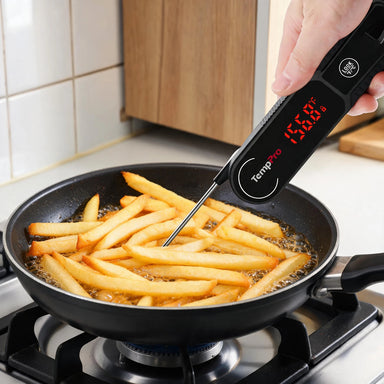
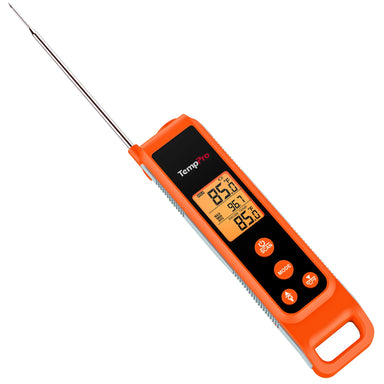
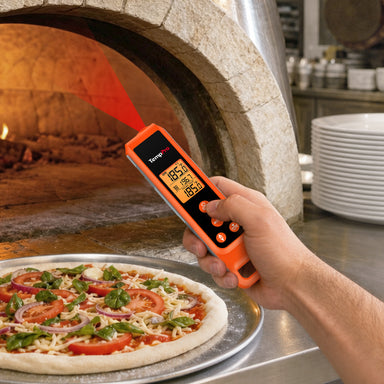
Thermometer Tip: Some thermometers can also measure skillet or grill surface temperature, helping ensure the pan is hot enough for a proper sear before checking the steak internally.
5. Medium Well
Center Temperature: 150–155°F (65–69°C)
Medium well steaks show only a faint blush of pink and begin to lose more moisture. Protein denaturation reaches around 85%, meaning most internal water has been lost. Proper resting is essential to retain as much flavor and tenderness as possible.
6. Well Done
Center Temperature: 160°F+ (71°C+)
Well-done steaks are completely gray-brown throughout. While the texture is dense and dry, some diners prefer this level for safety reasons. Overcooking beyond this point can result in up to 30% weight loss from moisture evaporation.
Tip: Monitoring both pan and steak temperature can help maintain consistent results and prevent scorching.
Choosing the Right Doneness for Different Cuts
- Tenderloin (Filet Mignon): Medium rare is recommended. Sear approximately 90 seconds per side for a 1-inch cut.
- Sirloin: Medium works well; keeping the fat edge intact adds flavor.
- Ribeye: Medium well allows marbled fat to fully render.
- T-Bone: Cook the filet side medium rare and the strip side medium for balanced results.
Safety Considerations
- Pregnant women and children should stick to well-done.
- Imported beef should be properly frozen below 0°F (-18°C).
- Ground beef should always be cooked to at least 160°F (71°C) for safety.
Conclusion
Understanding steak doneness is essential for both flavor and food safety. Using an instant-read thermometer to monitor internal temperature ensures consistent results and allows you to enjoy perfectly cooked steak every time. A reliable thermometer can also help manage cooking surfaces and improve overall accuracy, making it an essential tool for any home cook.


Comments


Recommended Products