8 astuces pour magnifier les coupes de viande bon marché


 288 Comments


Cuisiner un excellent steak à la maison ne signifie pas nécessairement acheter des coupes chères ou aller dans un restaurant spécialisé. Avec les bonnes astuces, même les morceaux de bœuf les plus abordables peuvent être juteux, tendres et pleins de saveur riche et savoureuse. Que vous allumiez le gril pour un barbecue le week-end ou que vous fassiez saisir un steak dans une poêle en fonte après le travail, de petits changements de technique peuvent faire une énorme différence. Dans ce guide, nous vous présenterons 8 conseils simples mais utiles pour vous aider à améliorer les coupes bon marché et à cuisiner le steak comme un pro, directement dans votre propre cuisine.
8 conseils utiles pour la cuisson du steak
Cuisiner un excellent steak, c'est connaître les bonnes techniques. Dans cette section, vous trouverez 8 conseils utiles pour la cuisson du steak qui peuvent instantanément améliorer la saveur, la texture et la jutosité des coupes économiques. Que vous poêliez ou grilliez des steaks, ces astuces simples vous aideront à tirer le meilleur parti de chaque morceau de viande que vous cuisinerez.
Choisissez la bonne coupe bon marché
Les coupes bon marché ne sont pas toutes égales. Certaines coupes donneront de bien meilleurs résultats que d'autres si elles sont préparées correctement.
- Bavette
- Hampe
- Chuck eye (œil de côte de bœuf)
- Flat iron
Ce sont tous des exemples de coupes de steak qui peuvent donner d'excellents résultats si elles sont préparées correctement. Ces coupes contiennent beaucoup de saveur de bœuf et nécessitent un peu plus de finesse pour éviter la dureté. Choisir la bonne coupe est la première clé. Après cela, tous les autres facteurs deviennent gérables.
Assaisonner correctement
Les coupes bon marché doivent être assaisonnées plus agressivement que les coupes de première qualité. Le sel rehausse la saveur, et dans les coupes plus fines ou plus dures, il fait ressortir la saveur que vous pourriez avoir en premier lieu. Assaisonnez généreusement et laissez suffisamment de temps aux assaisonnements pour s'absorber. Le sel et le poivre peuvent transformer une coupe médiocre en une expérience beaucoup plus agréable. Un assaisonnement insuffisant est l'un des moyens les plus rapides de s'assurer qu'un steak bon marché a exactement le goût de son prix.
Laisser revenir à température ambiante
Cuisiner un steak directement sorti du réfrigérateur entraîne des résultats incohérents. L'extérieur cuit très rapidement ; l'intérieur a du mal à suivre. Pour les coupes plus fines et moins indulgentes, c'est particulièrement préjudiciable. Laisser le steak reposer à température ambiante pendant 20 à 30 minutes garantit des résultats de cuisson homogènes et minimise le risque de trop cuire l'extérieur. Ce petit ajustement apporte une amélioration significative de la consistance.
Chauffer la poêle ou le gril de manière appropriée
La chaleur produit de la saveur. En l'absence d'une chaleur suffisante, une croûte ne peut pas être produite. Une croûte est ce qui développe la texture et la saveur qui rendent la dégustation d'un steak agréable. Pour cette raison, les coupes bon marché dépendent fortement du développement de la saveur de la croûte extérieure. Il est donc essentiel de préchauffer votre surface de cuisson. Si la poêle ou le gril n'est pas assez chaud, le steak cuira très lentement et perdra de son humidité, et ne développera jamais la couche extérieure croustillante qui caractérise un bon steak.
Cuire à la température, pas au temps
La plupart des gens échouent ici. Plutôt que de cuire jusqu'à ce que la température souhaitée soit atteinte, la plupart des gens utilisent le temps pour déterminer quand retourner. Le problème est que chaque steak est unique. Des variables telles que l'épaisseur, la température de départ et le niveau de chaleur peuvent toutes contribuer aux variations du temps de cuisson.
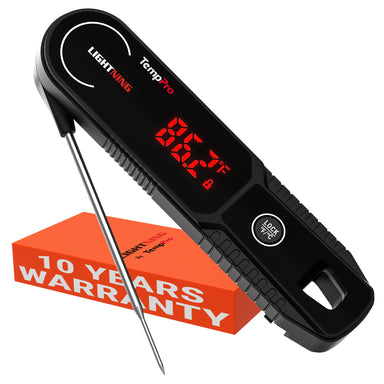
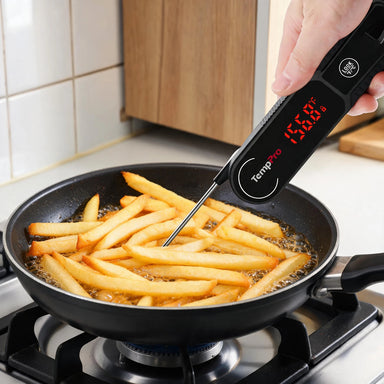
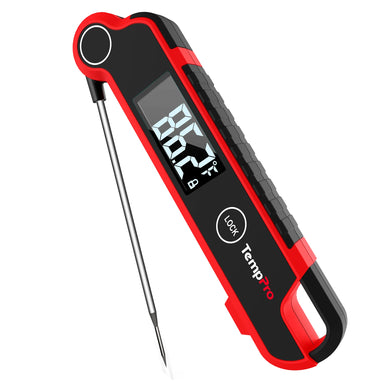
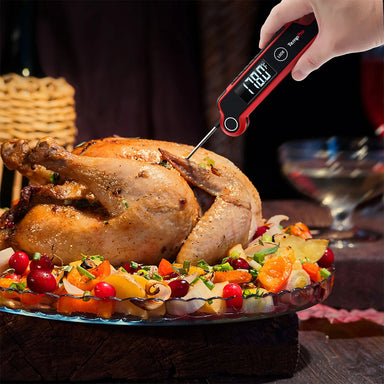
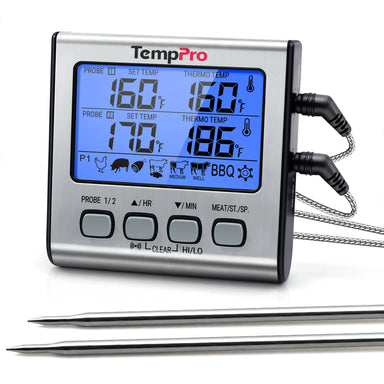
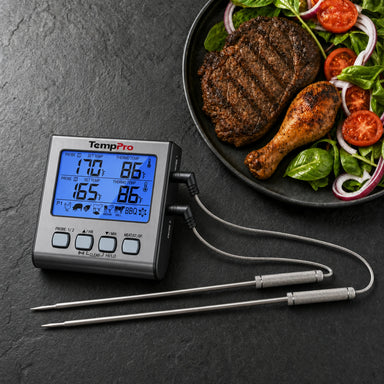
Le temps introduit de la variabilité. La température introduit du contrôle. Le thermomètre à viande 2-en-1 TempPro TP610 permet de voir la température exacte à l'intérieur de la viande. En utilisant un thermomètre alimentaire, vous pouvez obtenir un retour instantané sur l'état de votre steak. Avec des temps de lecture de 3 à 4 secondes et une précision de ±0,9° F, vous pouvez savoir précisément où en est votre steak plutôt que de deviner et d'espérer le meilleur.

Les coupes bon marché sont moins tolérantes en cas de surcuisson. Il faut donc être précis. La plupart des coupes atteignent leur meilleur résultat entre :
- À point (130-135° F)
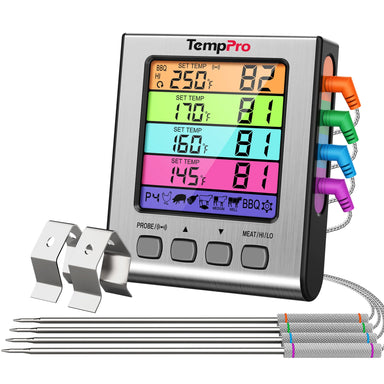
Au-delà de cette plage, la texture devient rapidement sèche et dure. Les doubles affichages de température fournis par le thermomètre à viande 2-en-1 TempPro TP610 vous permettent de surveiller plus d'un aspect simultanément, ce qui est bénéfique lors de la préparation de plusieurs steaks ou du suivi des conditions internes et externes. De plus, la fonction d'alarme intégrée élimine le besoin de surveiller constamment, vous permettant de vous concentrer sur le processus plutôt que de rester près de la flamme.
Le TempPro TP610 a été créé pour éliminer cette incertitude. Il offre :
- Des mesures rapides et précises
- Un écran rotatif et rétroéclairé pour une visibilité sous tous les angles
- Une batterie rechargeable pour une disponibilité constante
- Un design résistant à l'eau pour un nettoyage facile
- Une base magnétique et des options de rangement pour l'accessibilité
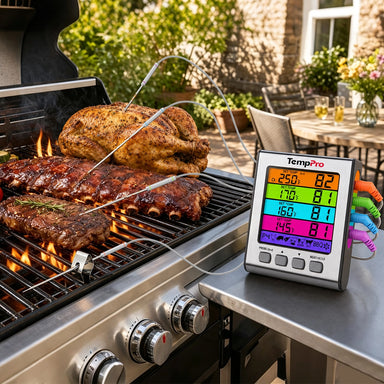
Il est destiné aux environnements de cuisson réels, que vous cuisiniez un steak au gril, sur la cuisinière ou au four.

Ne pas trop cuire "pour être sûr"
La surcuisson est la principale raison pour laquelle plus de steaks sont gâchés que toute autre chose. Beaucoup de gens surcuisent intentionnellement le steak "juste au cas où", croyant que cela améliorera le produit final. Cependant, cela ne se produit pas. Au lieu de cela, cela dessèche la viande et anéantit toute chance d'obtenir de la tendreté.
Grâce à un suivi précis de la température, il n'est pas nécessaire d'ajouter cette devinette supplémentaire. Vous cuisez le steak à votre objectif et arrêtez de cuire au moment optimal.
Laisser reposer avant de couper
Le repos n'est ni une préférence ni une exigence, mais il est obligatoire. Après la cuisson, les jus à l'intérieur du steak continuent de bouger. Si vous coupiez le steak immédiatement, les jus s'écouleraient de la viande, ce qui donnerait un steak sec. Laisser le steak reposer quelques minutes permet aux jus de se stabiliser et de se redistribuer. Même une coupe bon marché bénéficiera grandement de cette étape. Cela améliorera à la fois la texture et la saveur du steak avec peu ou pas d'effort supplémentaire.
Couper contre le grain
Couper contre le grain est l'une des méthodes les plus faciles pour améliorer instantanément la tendreté. Les coupes bon marché ont souvent des fibres musculaires plus visibles. En coupant contre le grain, vous coupez essentiellement ces fibres en courtes sections.
- Couper dans le sens du grain : plus difficile à mâcher
- Couper contre le grain : plus facile à mâcher
Couper contre le grain vous permet de raccourcir les fibres, ce qui donne un steak plus facile à mâcher et finalement plus agréable à consommer. Cette technique de steak à elle seule peut radicalement modifier la sensation d'un steak lorsqu'il est consommé.
Pourquoi cuisiner un steak bon marché devient plus facile lorsque vous arrêtez de deviner
La plupart des gens cuisinent le steak en se basant sur l'expérience. Ils ajustent leurs méthodes de cuisson en fonction de ce qui s'est passé la fois précédente, espérant s'améliorer progressivement. Le problème est que cette méthode est peu fiable et non reproductible.
Cependant, lorsque vous commencez à cuisiner en fonction de la température du steak, vous établissez la capacité de répétition.
- Vous savez quand votre steak est prêt
- Vous savez à quoi vous attendre
- Vous éliminez l'incertitude
C'est ce qui élimine la plupart des erreurs. À ce stade, la distinction entre les coupes bon marché et les coupes de haute qualité diminue considérablement.

Dernières réflexions
Un excellent steak ne doit pas nécessairement avoir un prix élevé. Avec les bons conseils et outils, même les coupes les plus abordables peuvent être tendres, juteuses et pleines de saveur. En utilisant ces simples conseils de cuisson du steak, de l'assaisonnement approprié aux méthodes de cuisson intelligentes, vous pouvez transformer un steak ordinaire en quelque chose de vraiment satisfaisant. Allumez votre poêle ou votre gril, essayez ces idées et profitez d'une meilleure expérience de steak sans dépenser plus.


Commentaires
Vous aimerez peut-être aussi


Produits recommandés