What Is the Internal Temperature for Pork Tenderloin?


 288 Comments


Cooking pork tenderloin can feel intimidating. Many home cooks worry about two things: serving pork that is unsafe to eat or overcooking it until it becomes dry and tough. The key to perfectly cooked pork tenderloin is understanding the right internal temperature for pork tenderloin and using a reliable thermometer to check doneness.
So, cook pork loin to what temp? The ideal answer depends on your preferred texture and food safety requirements. By monitoring the pork tenderloin temp carefully, you can enjoy pork that is juicy, tender, flavorful, and safe for your family.
Whether you roast it in the oven, grill it outdoors, or pan-sear it for a quick dinner, knowing the correct cooked temperature for pork loin is the most important step to achieving restaurant-quality results at home.
In this guide, we’ll explain what temperature is pork tenderloin cooked, how long to cook it, common mistakes to avoid, and how a wireless meat thermometer can help you cook pork tenderloin perfectly every time.
Table of Contents
- Why Internal Temperature of Pork TenderLoin Matters
- What Is the Safe Internal Temperature for Pork Tenderloin?
- What Is the Oven Temperature for Pork Tenderloin?
- How to Monitor Pork Tenderloin Temperature
- How to Know When Pork Tenderloin Is Done
- How to Cook Pork Tenderloin Perfectly Every Time
- 5 Popular Pork Tenderloin Recipes to Try
- Common Mistakes When Cooking Pork Tenderloin
- FAQs About Pork Tenderloin Temperature
- Final Thoughts
Why Internal Temperature of Pork TenderLoin Matters
Many recipes provide estimated cooking times, but the exact cook time for pork tenderloin can vary depending on:
- Thickness of the meat
- Starting temperature (cold from refrigerator vs room temperature)
- Oven temperature
- Cooking method
- Whether the meat is covered or uncovered
For example, two pork tenderloins that weigh the same can finish cooking at different times because one may be thicker in the center.
This is why experienced cooks focus on the internal temperature of pork tenderloin instead of relying only on minutes. A meat thermometer allows you to remove pork at exactly the right moment, preventing both undercooking and overcooking.

What Is the Safe Internal Temperature for Pork Tenderloin?
The most important question many home cooks ask is "What temp should a pork tenderloin be cooked to?"
According to current food safety recommendations, pork tenderloin should reach an internal temperature of 145°F (63°C) with a 3-minute rest time
This is the recommended safe internal temp for pork tenderloin. At this temperature, pork is safe to eat while still remaining juicy and tender.
Many people still remember older cooking advice that recommended cooking pork until it reached 160°F. However, modern pork production standards have improved significantly, and cooking pork tenderloin to 145°F allows you to enjoy better flavor and texture without sacrificing safety.
Pork Tenderloin Temperature Guide
When checking the temperature of pork tenderloin, always measure the thickest part of the meat because the ends usually cook faster than the center.
What Is the Oven Temperature for Pork Tenderloin?
One of the most popular ways to cook pork tenderloin is baking it in the oven. The recommended oven temperature is 400°F (204°C)
Cooking pork tenderloin at 400°F creates a good balance between browning the outside and keeping the inside juicy
Typical Oven Cooking Guide
However, cooking time should only be used as a guideline. The best way to know when pork tenderloin is ready is to check whether the internal temperature has reached 145°F.
For the best results, remove pork tenderloin from the oven when it reaches around 140-143°F. Let it rest for about 3-5 minutes. The temperature will continue rising slightly. Slice and serve once it reaches the recommended temperature.
How to Monitor Pork Tenderloin Temperature
Cooking pork tenderloin perfectly requires accurate temperature monitoring. A reliable food thermometer is especially useful because pork tenderloin cooks quickly and can easily become dry if left in heat too long.
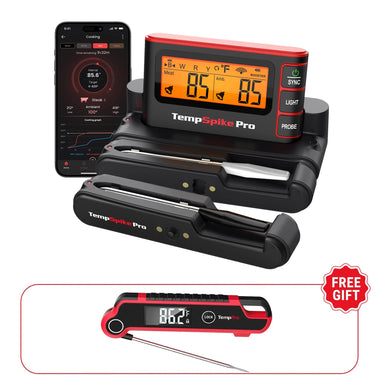
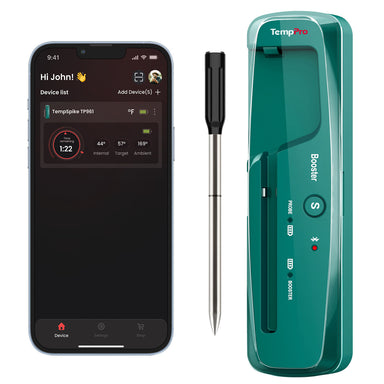
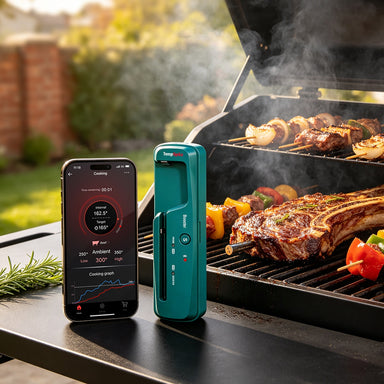
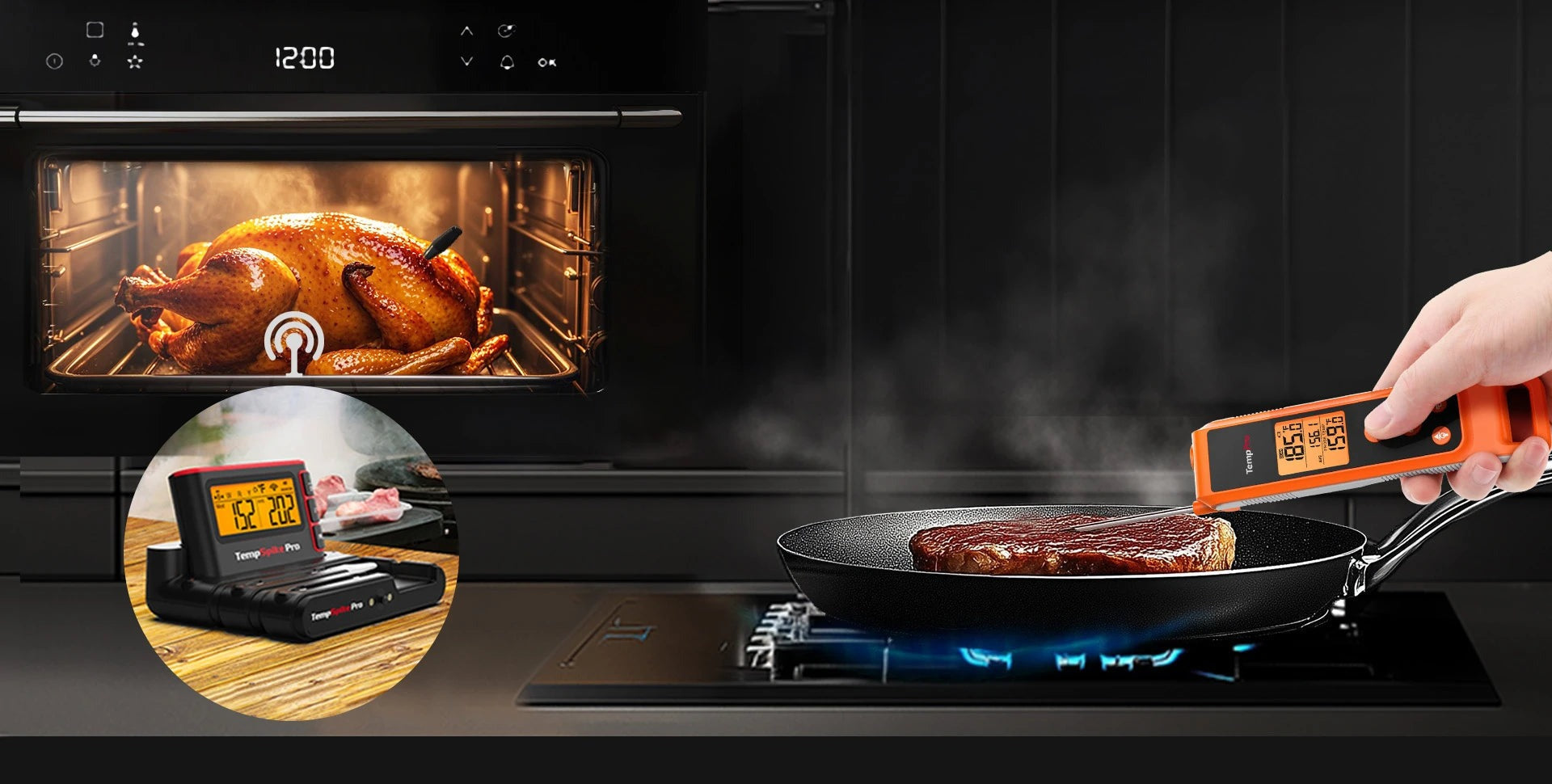
The TempPro TempSpike Plus TP970 Wireless Meat Thermometer is designed for home cooks who want precise temperature control without constantly opening the oven, grill, or smoker.
This wireless meat thermometer helps you monitor the internal temperature for pork tenderloin in real time, making it easier to achieve juicy and perfectly cooked results.
Key Features of TempPro TempSpike Plus TP970
- 100% Wire-Free Design: Enjoy hassle-free cooking with a fully wireless probe. No tangled wires make it perfect for ovens, grills, smokers, and BBQs.
- 600FT Long-Range Bluetooth Connection: Monitor your pork tenderloin temperature from up to 600 feet away, giving you the freedom to prepare side dishes or entertain guests while cooking.
- Real-Time Temperature Monitoring: Track both internal meat temperature and ambient cooking temperature in real time to know exactly when your pork tenderloin reaches the ideal doneness.
- Ultra-Thin Probe for Better Results: The upgraded slim probe easily fits into smaller cuts like pork tenderloin while helping reduce juice loss and maintain the meat’s natural tenderness.
- Smart App with Custom Temperature Alerts: Receive notifications when your pork reaches your target temperature, helping prevent undercooking or overcooking without constant checking.
- High Accuracy Temperature Sensor: Get reliable temperature readings with accuracy up to ±1.8°F, making it easier to achieve the perfect 145°F internal temperature recommended for pork tenderloin.
- IP67 Waterproof Probe for Easy Cleaning: The waterproof probe can be rinsed after use, making cleanup quick and convenient after cooking.
- Long Battery Life for Extended Cooking: The rechargeable probe provides 36 hours of cooking time, making it suitable for everyday meals as well as longer BBQ sessions.
- Versatile for Multiple Cooking Methods: Whether you bake, grill, roast, smoke, or air fry pork tenderloin, TempSpike Plus TP970 helps you maintain precise temperature control for consistently delicious results.

How to Know When Pork Tenderloin Is Done
Many home cooks rely on appearance to judge whether pork is fully cooked. However, color alone is not a reliable indicator of doneness. Pork tenderloin can still look slightly pink even when it has reached a safe temperature.
The most accurate method is checking the internal temperature for pork tenderloin with a meat thermometer.
Insert the probe of the TempSpike Plus TP970 into the thickest part of the tenderloin, avoiding direct contact with the pan or bone. Once the internal temperature reaches 145°F, the pork is ready to rest before slicing. The USDA recommends cooking whole cuts of pork to a minimum internal temperature of 145°F and allowing at least three minutes of rest time before serving.
Signs Your Pork Tenderloin Is Properly Cooked:
- The internal temperature reaches 145°F.
- The meat feels firm but still slightly springy.
- The juices run clear.
- The center may have a light pink color, which is normal.
- The texture is moist and easy to slice.
Avoid cutting into the pork repeatedly to check doneness because this allows valuable juices to escape.
How to Cook Pork Tenderloin Perfectly Every Time
Knowing what temp should pork tenderloin be cooked to is essential, but proper preparation also makes a big difference.
Bring Pork Tenderloin Closer to Room Temperature
Take the pork tenderloin out of the refrigerator about 20-30 minutes before cooking. This helps the meat cook more evenly because the center will not be extremely cold when it enters the oven or grill.
Remove Excess Moisture Before Seasoning
Use paper towels to pat the pork tenderloin dry before adding seasoning. A dry surface helps create better browning and a more flavorful crust.
Season Generously
Pork tenderloin has a mild flavor, so seasoning is important. Popular seasoning options include:
- Garlic
- Black pepper
- Smoked paprika
- Rosemary
- Thyme
- Brown sugar
- Dijon mustard
A simple seasoning blend can create excellent results without overpowering the natural flavor of the pork.
Sear Before Baking for More Flavor
For a restaurant-style crust:
- Heat a skillet over medium-high heat.
- Sear each side for 2-3 minutes.
- Transfer to the oven
- Cook until the internal temperature reaches 145°F.
This creates a beautiful golden exterior while keeping the inside juicy.
5 Popular Pork Tenderloin Recipes to Try
Once you understand the correct pork tenderloin temp, you can experiment with different flavors and cooking styles. Here are some delicious pork tenderloin recipes to try.
Glazed Pork Tenderloin with Mashed Potatoes
This recipe combines juicy pork tenderloin with a sweet and savory glaze and creamy mashed potatoes. The glaze adds rich flavor while keeping the pork moist, making it a perfect comfort food dinner for family meals or weekend gatherings.

Herbed Bacon-Stuffed Pork Tenderloin with BBQ Glaze
A classic pork tenderloin recipe is a great choice for beginners. Simple seasoning highlights the natural flavor of the meat, while proper temperature control ensures a tender and flavorful result every time.

Grilled Pork Tenderloin with Mango Salsa
Perfect for summer grilling, this recipe combines smoky grilled pork tenderloin with fresh and sweet mango salsa. The bright flavors make it an excellent choice for backyard BBQs and outdoor dinners.

Stuffed Beef & Pork Tenderloins
Stuffed tenderloin recipes add extra flavor and creativity to traditional meat dishes. With a flavorful filling and carefully controlled cooking temperature, this dish can become the highlight of your dinner table.

Bacon-Wrapped Pork Tenderloin
Wrapping pork tenderloin with bacon adds extra moisture and a rich smoky flavor. This recipe is ideal for holidays, family dinners, or anyone looking for an impressive but simple pork dish.

Common Mistakes When Cooking Pork Tenderloin
Even experienced cooks can make mistakes when preparing pork tenderloin. Here are some common problems and how to avoid them.
Overcooking the Pork
The biggest mistake is cooking pork tenderloin too long. Because pork tenderloin is naturally lean, it contains less fat compared with cuts like pork shoulder. Once it goes beyond the ideal temperature range, moisture quickly disappears and the meat becomes dry. Instead of guessing based on cooking time, always monitor the pork tenderloin temp with a thermometer.
Relying Only on Cooking Time
Many recipes provide estimated cooking times, but every oven and piece of meat is different.
Factors that affect cook time for pork tenderloin include:
- Thickness of the tenderloin
- Oven accuracy
- Starting meat temperature
- Cooking pan material
- Whether the pork is covered
A food thermometer removes the guesswork and helps you achieve consistent results.
Skipping the Resting Period
Resting is a small step that makes a big difference. After removing pork tenderloin from the heat, allow it to rest for about 3-5 minutes before slicing.
During this time:
- The temperature continues to stabilize.
- The juices redistribute throughout the meat.
- Each slice stays more tender and flavorful.
Cutting the Pork Immediately
If you slice pork tenderloin immediately after cooking, the juices will run onto the cutting board instead of staying inside the meat. For the best texture, wait a few minutes before serving.
FAQs About Internal Temperature for Pork Tenderloin
Q1.What temperature should a pork tenderloin be cooked to?
Pork tenderloin should be cooked to an internal temperature of 145°F (63°C) and allowed to rest for at least three minutes. This temperature provides the best balance of food safety, tenderness, and flavor.
Q2.What temp to cook a pork loin in the oven?
For oven roasting, pork loin is commonly cooked at around 350°F-400°F until it reaches an internal temperature of 145°F.
Q3.How long should I cook pork tenderloin at 400°F?
At 400°F, a typical 1-1.5 pound pork tenderloin usually takes around 25-35 minutes. However, always confirm doneness using a meat thermometer rather than relying only on cooking time.
Q4.Is pork tenderloin safe if it is slightly pink?
Yes. Pork tenderloin can remain slightly pink after reaching the recommended internal temperature. The most reliable way to determine safety is checking the temperature, not judging the color.
Q5.Should I cook pork tenderloin covered or uncovered?
For roasting, pork tenderloin is usually cooked uncovered. This allows the outside to brown properly while the inside cooks evenly.
Q6. Can I cook pork tenderloin from frozen?
It’s not recommended. For even cooking and the best results, thaw your pork tenderloin in the refrigerator before cooking.
Q7. What is the difference between pork loin and pork tenderloin?
Pork tenderloin is a long, thin, extremely lean cut that cooks quickly. Pork loin is a larger, wider roast that takes longer to cook. However, both should be cooked to the same internal temperature for pork tenderloin, that is 145°F.
Q8.Why is my pork tenderloin dry?
Dry pork tenderloin is usually caused by overcooking. Since it is a lean cut, cooking beyond the recommended temperature can quickly remove moisture. Using a food thermometer helps prevent this problem.
Final Thoughts
Cooking a juicy and flavorful pork tenderloin does not have to be complicated. The most important step is knowing the correct internal temperature for pork tenderloin and checking it accurately before serving.
For the best balance of safety, tenderness, and flavor, cook pork tenderloin until it reaches 145°F (63°C), then allow it to rest before slicing. Instead of relying only on cooking time or appearance, using a meat thermometer helps you avoid the common problems of undercooked or dry, overcooked pork.
The TempPro TempSpike Plus TP970 Wireless Meat Thermometer makes temperature control easier by allowing you to monitor your pork tenderloin as it cooks without constantly opening the oven or grill. By knowing exactly when your meat reaches the ideal temperature, you can spend less time guessing and more time enjoying perfectly cooked meals with your family and friends.
Great pork tenderloin starts with the right temperature. Once you understand how to cook it properly, every meal can be safer, juicier, and more flavorful.


Comments
Recommended Products