8 Venison Cooking Tips That Reduce Gamey Flavor


 288 Comments


To be honest, the reputation of venison and not always a good one is well known to many. Ask nearly anyone who does not enjoy venison what their reasons are for not enjoying venison, and there is a common response: "it's too gamey." However, this "gamey" flavor is rarely due to the actual meat itself. More than likely it is the manner in which the venison was handled and/or cooked.
Venison is significantly leaner than beef, contains considerably less fat, and responds completely different to heat compared to beef. Therefore, conventional cooking methods may not work as well for venison. When you cook it similarly to a steak purchased from the local grocery store, the chances of ending up with an overcooked piece of meat with a stronger flavor than desired are significant.
In reality, properly cooked venison is clean, rich and quite enjoyable. The primary issue lies in control; specifically, in control of temperature and cooking time.
8 Tips to Cooking Venison That Prevent Gamey Flavor
Don't Overcook Venison
Overcooking is the single largest mistake made when cooking venison. It will result in the quickest method to produce the 'gamey' flavor associated with the meat.
Due to the extremely low fat content of venison, it lacks the protective barrier that typically prevents excessive drying of the meat during prolonged cooking times. Once you overcook the meat, moisture is lost immediately and the texture of the meat becomes dry and tough. As the dryness occurs, the intense natural flavors become intensified and are commonly referred to as 'gamey.'
Venison should ideally be cooked to a medium rare or medium. Any further cooking will result in loss of tenderization and increased undesirable flavor intensity.
Measure Venison Temperature Rather Than Guessing
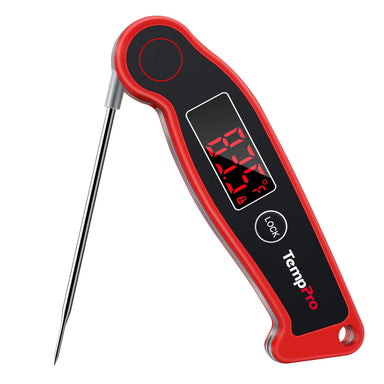
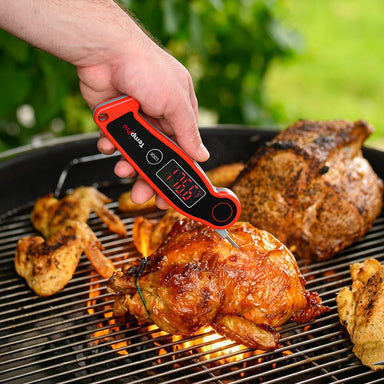
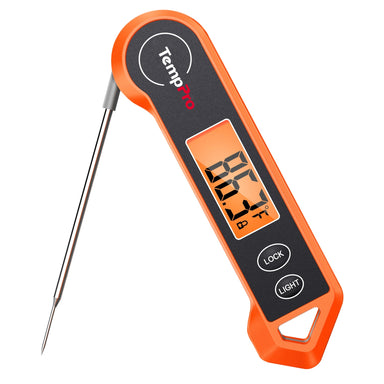
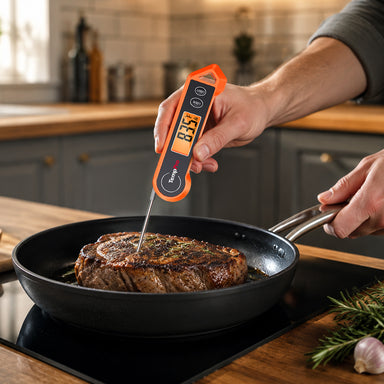
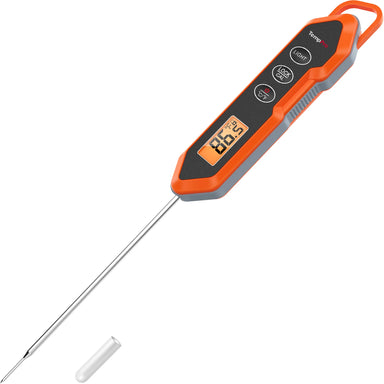
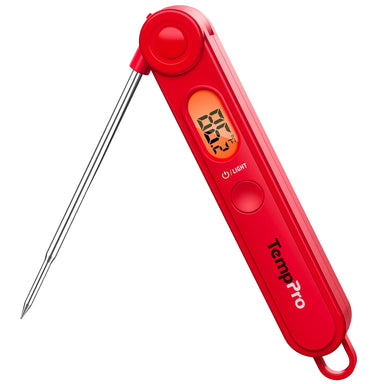
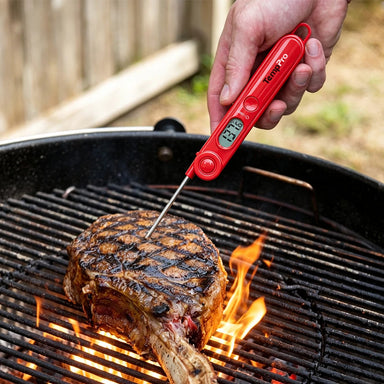
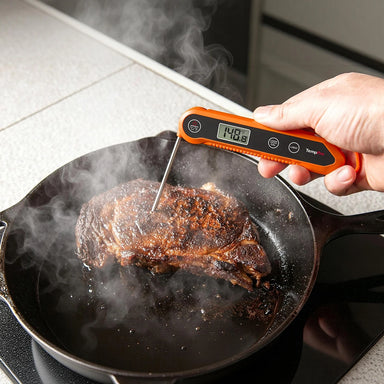
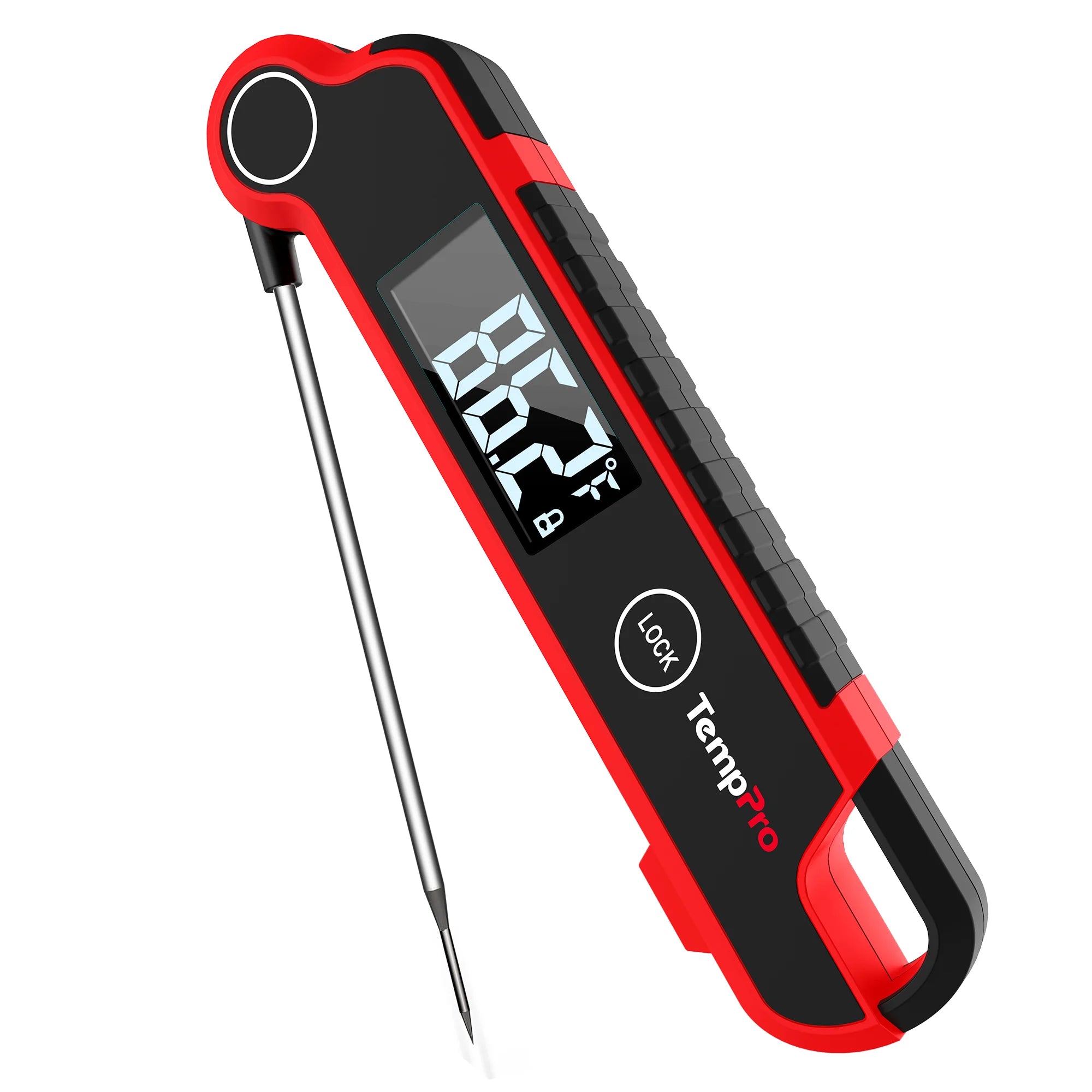
You have virtually no margin for error when cooking venison. Since the meat is very difficult to gauge whether it has reached the desired level of doneness based upon either the cooking time or appearance of the meat, it is frequently overcooked. Although the meat may appear to be done, the internal temperature is usually past the optimal point of doneness. To minimize the risk of overcooking, utilizing a tool such as the TempPro TP620 Instant Read Meat Thermometer provides the best possible chance of achieving desirable results.
Utilizing this wireless meat thermometer to achieve instant 0.5-second readings with ±0.9°F accuracy eliminates the possibility of overcooking. The rapid reading of the internal temperature of the meat is critical in maintaining the integrity of the product.

Understand the Optimal Internal Temperature
Without understanding the internal temperature of your final product, you cannot possibly achieve optimal results. Based upon flavor and texture, your goal should be:
- Medium-rare: 130-135°F
- Medium: 135-145°F
Any temperature above this range will quickly lead to the meat becoming dry. Utilizing the TempPro TP620 Instant-Read Meat Thermometer enables you to accurately measure the internal temperature of the meat in a timely manner. This feature allows you to remove the venison at the exact optimal temperature rather than relying upon guesswork.
Allow the Venison to Rest After Cooking
Resting is important, particularly when working with lean products. Following removal of the venison from the heat source, the juices contained within the muscle require sufficient time to redistribute. Slicing the venison too soon after removal from heat causes the redistribution of those juices and leads to dryness.
Allowing the meat to rest for a short period of time will help maintain moisture, improve the texture of the meat and ultimately enhance the overall flavor of the finished product.

Cook Venison Using a Controlled Method of Heating, Not High Heat
High heat, although it may provide faster cooking of the meat, actually is counterproductive to producing quality venison. High heat cooks the outer surface of the meat too quickly relative to the inner surface. As a result of this uneven cooking, the meat dries out and the flavor of the meat is intensified.
Using a controlled heating method, such as medium heat, provides the cook with additional time to adjust to the changing color and texture of the meat. Additionally, using a controlled heat method promotes more uniform cooking of the meat.
Avoid Frequent Turning and Handling of the Venison
Each time you handle the venison while it is being cooked, you disrupt the cooking process. Heat escapes, cooking time is slowed and consistency decreases. These effects are magnified with lean products that cook relatively quickly.
While the venison is developing the proper texture, allow it to remain stationary for an extended period of time prior to turning. Limiting the amount of handling involved in cooking the venison will result in improved performance.

Utilize a Device Designed to Function Effectively
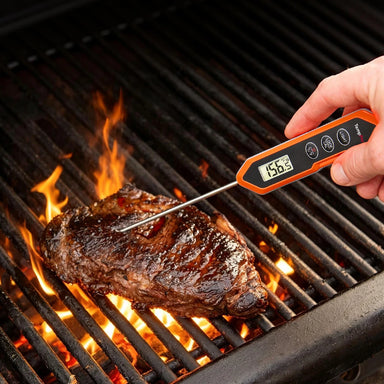
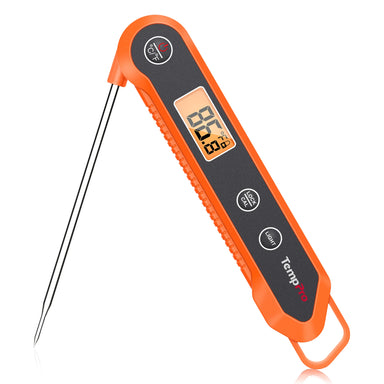
Venison is typically cooked outdoors using grills, in low light, etc., in many types of unpredictable environments. The TempPro TP620 Instant Read Meat Thermometer is specifically designed for these conditions:
- A large 2-inch LCD display for visibility
- A 180˚ auto-rotating screen to accommodate any viewing angle
- A backlit display to facilitate visibility in low-light conditions
- Motion-sensing wake/sleep function for quick access
These features enable cooks to operate in control, regardless of the environment.
Maintain Your Tools Clean and Functional
Reliability is the foundation for consistency. The TempPro TP620's IP65 waterproof design provides for effortless cleaning using a stream of water. Its rugged, slip-resistant grip also provides for safe operation in a variety of high-energy cooking environments. Maintaining reliable tools ensures consistent results.
Why Venison Becomes Easier to Cook When You Stop Guessing
Many people cook venison with a lack of confidence. They rely on time, sight, and intuition. Sometimes it works, sometimes it doesn't. It is the unpredictability of cooking venison that contributes to the frustration and poor results.
When you convert to temperature-based cooking, the predictability of cooking is achieved. You know when the meat is ready and when to remove it. You know the texture you will receive.
The TempPro TP620 supports this by providing fast and accurate readings in addition to the features designed for real-world cooking environments. It eliminates the uncertainty associated with the majority of mistakes.
Once you eliminate uncertainty and begin to measure, cooking venison becomes a much simpler task, and is subsequently much more enjoyable to consume.
FAQs about Cooking Venison
Q1. Why does venison taste gamey?
Usually because it's overcooked or handled improperly, which intensifies its natural flavor.
Q2. What is the best temperature for venison?
Medium-rare (130-135°F) is ideal for tenderness and balanced flavor.
Q3. Do I need a meat thermometer for venison?
Not required, but an instant-read meat thermometer the most reliable way to avoid overcooking.
Q4. Why is venison so easy to overcook?
Because it's very lean and lacks fat to protect it during cooking.
Q5. What is the biggest mistake when cooking venison?
Overcooking and relying on guesswork instead of temperature control.
Final Thoughts
Venison requires no elaborate cooking techniques. Precision of temperature and time directly impacts reducing dryness, increasing tenderness, and minimizing the extreme flavor that is commonly associated with improperly cooked venison.
Once you stop guessing and begin to measure, the reliability and consistency of venison are realized.

Comments
Recommended Products