Shrimp Internal Temp and Doneness


 288 Comments


What temperature is shrimp done? Shrimp are done when they reach 145°F (63°C). They should also look pearly and opaque and feel firm. Because shrimp cook quickly, checking the temperature with an instant-read thermometer can help prevent overcooking.
If you’re someone who loves cooking, you’ve probably had the pleasure of using shrimp as an ingredient. However, one tricky thing about cooking it is setting the right shrimp internal temp. Sometimes, you think it is done but it is raw on the inside, looking not tempting to the palate. Moreover, a slight misbalance in the temperature can make them go from juicy to rubbery. That’s why we recommend you pick the right shrimp temperature when cooking. But what is it actually? Let’s break it down.
Table of Contents
- What's the Ideal Internal Temperature for Shrimp
- How to Tell When Shrimp Are Done
- Why Internal Temperature Matters for Shrimp
- How to Check Shrimp Temperature
- How Long Does It Take to Cook Shrimp?
- How Long to Grill Shrimp?
- Tips for Grilling Shrimp
- FAQs about Shrimps Internal Temperature and Doneness
- Conclusion
What's the Ideal Internal Temperature for Shrimp
When cooking shrimp, reaching the correct internal temperature is key to achieving the perfect balance of flavor, texture, and safety. The USDA lists 145°F (62.8°C) as the minimum internal temperature for fish and shellfish. Once they reach this temperature, you’ll see how juicy, tender, and flavorful your shrimp are.

Source: U.S. Department of Agriculture (USDA)
But how would you know the shrimp has reached an internal temp of 145°F without using a meat thermometer? You will see that your shrimp is becoming opaque and firm to the touch. At this point, you need to be extra careful since overcooking can turn them dry or rubbery if you overshoot the cooking temperature.
As a tip, we would recommend you always have a meat thermometer by your side to check the shrimp’s internal temperature and avoid overcooking.
How to Tell When Shrimp Are Done
A loose "C" shape is often a good visual cue for doneness, while a tightly curled “O” shape can indicate that shrimp are overcooked. However, shape alone cannot confirm a safe internal temperature.
| Sign | What to Look For |
|---|---|
| Internal Temperature | 145°F (63°C) |
| Color | Pearly and opaque |
| Texture | Firm, not mushy |
| Shape | Curled into a loose “C” shape |
| Overcooked | Tight “O” shape, rubbery texture |
Why Internal Temperature Matters for Shrimp
Now you must be wondering why exactly the internal temperature for shrimp matters. Here’s why it is crucial.
Food Safety
First and foremost, you need to be careful with your health. Raw and uncooked shrimp can harbor harmful bacteria such as vibrio, causing foodborne diseases. We all want to stay away from that. Right? In that case, cook your shrimp to 145°F to ensure all the bacteria are destroyed.
Read: Food Safety Temperature: Eat Safe and Avoid Food Danger Zone
Texture and Juiciness
After food safety, our next priority is to have our food cooked to perfection. Since shrimp are high in lean protein content, they become tough and rubbery quickly if they’re overcooked. So, if you stick to the right internal temperature for shrimp they’ll always stay soft and juicy.

Consistency in Cooking
Although you can see your shrimp turning opaque as the right temperature hits, using a meat thermometer is recommended. This prevents guessing, which often leads to overcooking or undercooking. With a meat thermometer, you’ll stay consistent with your cooking, resulting in better, more reliable meals.
How to Check Shrimp Temperature
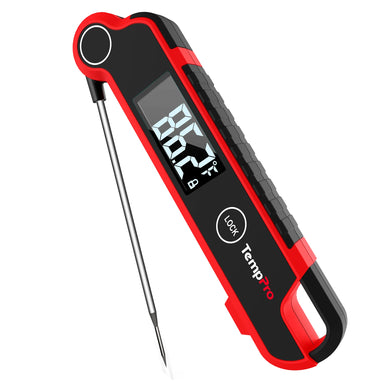
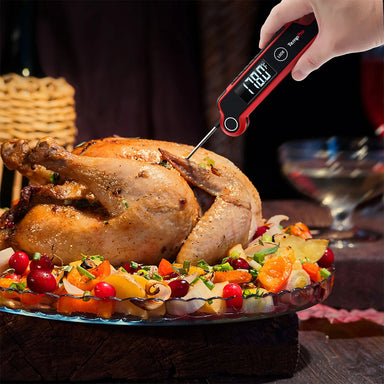
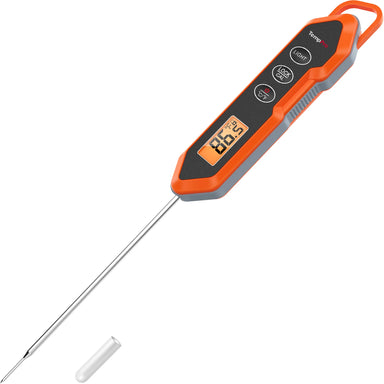
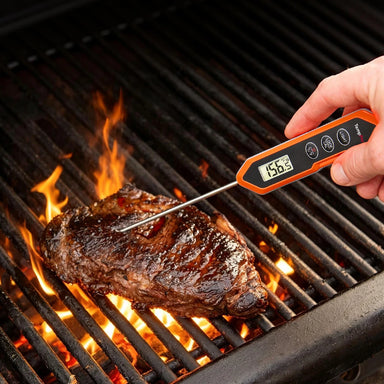
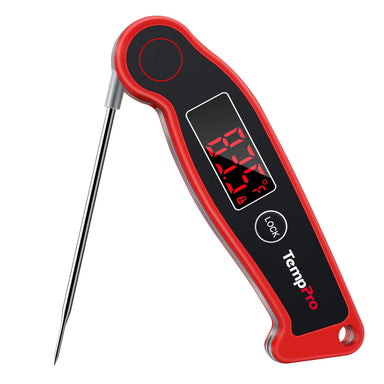
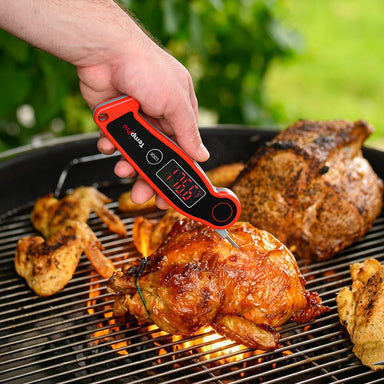
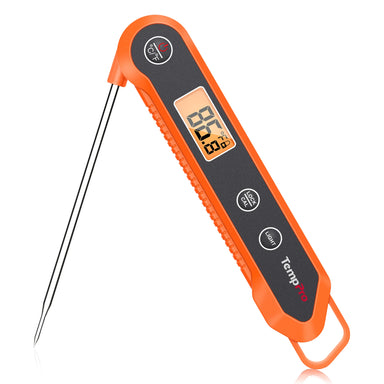
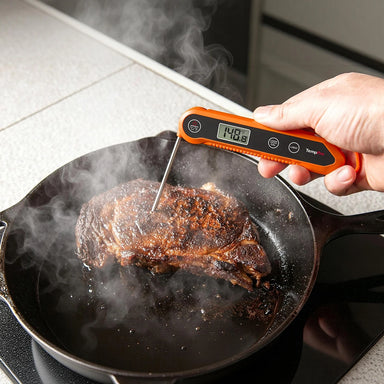
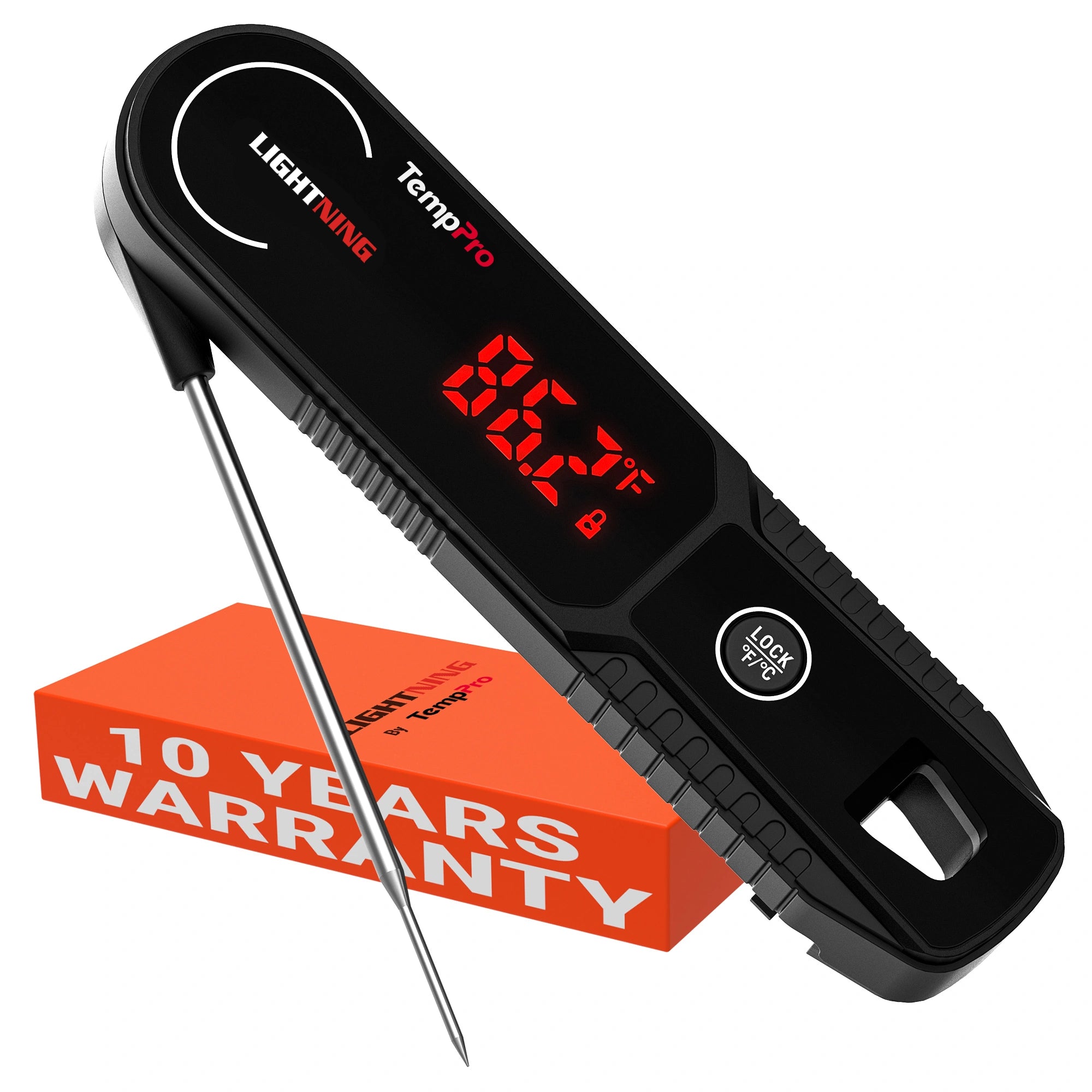
Because shrimp are small and cook quickly, an instant-read meat thermometer is useful for checking temperature without leaving them on the heat too long. Insert the probe into the thickest part of the shrimp and take the reading quickly. Are you looking for the perfect companion to cook your shrimp to the right temperature every time? The TempPro TP622 Instant-Read Meat Thermometer is your good helper. It enables you to measure the internal temperature of shrimp in 0.1s response time.
Key Features:
- Fast and Accurate Readings: The TempPro TP622 offers ultra-fast temperature reading ensuring you can check the internal temperature of shrimp without delay. Moreover, it has an accuracy of ±0.5°F (±0.3°C) which helps you avoid overcooking or undercooking.
- 180° Rotating Display: The large 2″ auto-rotating, backlit display is ambidextrous, making this meat thermometer suitable for left-handed users and usage at tricky angles.
- Easy-to-Read Backlit Display: The large, clear backlit screen makes it easy to check the temperature, even in low light or outdoor conditions. Perfect for evening BBQs or indoor cooking without squinting at tiny numbers.
- Durable Waterproof Design: The TempPro Lightning is waterproof, making it ideal for kitchen and outdoor use. It’s easy to clean under running water and tough enough to withstand drops.
- Battery-Saving: With an automatic shut-off after 90 seconds of inactivity, you can save battery power without the need to turn it off manually.

How Long Does It Take to Cook Shrimp?
Shrimp are one of the quickest proteins to cook, but the best cooking method depends on the texture and flavor you want. Whether you’re grilling, pan-frying, boiling, baking, or air frying, knowing the approximate cooking time can help you plan your meal and avoid overcooking.
| Cooking Method | Approximate Cooking Time |
|---|---|
| Grilling | 2–3 minutes per side |
| Pan-Searing | 2–3 minutes total |
| Boiling | 2–5 minutes |
| Baking | 8–10 minutes |
| Air Frying | 5–8 minutes |
Cooking time varies depending on shrimp size, cooking temperature, and whether the shrimp are peeled or shell-on. Use 145°F (63°C) internal temperature and visual cues to confirm shrimpe doneness rather than relying on time alone.
How Long to Grill Shrimp?
Well, now that you know how to cook shrimp to a specific temperature and how long to cook shrimps using different cooking method, it’s time to see how they’re grilled. At first, it might seem easy and straightforward to grill shrimp, but it’s crucial to get the timing straight to achieve the perfect balance between a tender, juicy interior and a flavorful exterior.
If you set the temperature to medium-high heat (around 375°F–450°F (191°C–232°C), it will take your shrimp 2-3 minutes per side to get ready. Moreover, the size of your shrimp also affects how long you’ll need to grill them. For instance, if you have extra large shrimp (16-20 per pound), you need to grill for an average of 2-3 minutes per side. As a side note, we would recommend you preheat your grill to 350°F to 400°F before placing the shrimp on the grill.
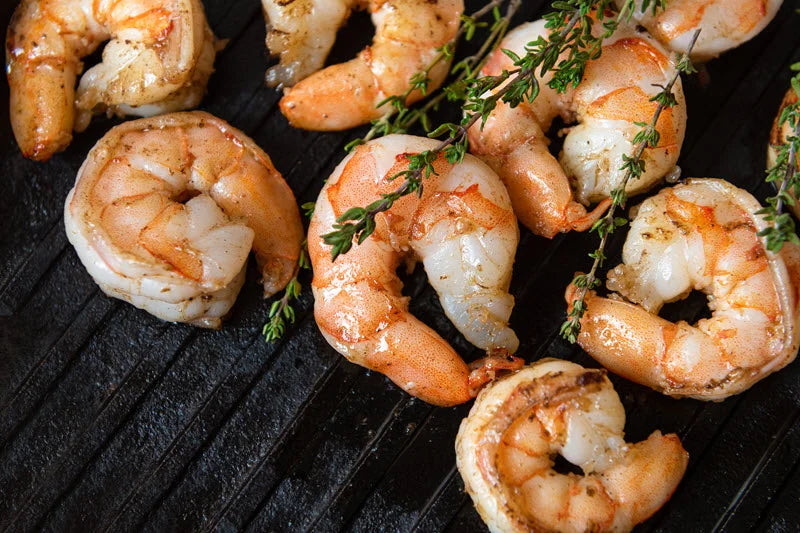
But how would you know when your shrimp are ready? When fully cooked, they will turn pink and opaque. Also, when they turn into a “C” shape they are cooked, and when they curl into an “O” shape, you must know that they’re overcooked.

Tips for Grilling Shrimp
Grilling shrimp is quick, easy, and delicious, but it requires attention to detail to avoid overcooking or drying them out. Here are some expert tips to ensure you achieve perfectly grilled shrimp every time you cook.
Choose the Right Shrimp
When grilling shrimp, a large size (16-20 per pound) works best. They’re easier to handle and less likely to overcook quickly. Moreover, there are also shell-on or peeled shrimp. Shell-on shrimp protects the meat and locks in flavor, while peeled shrimp can soak up marinades better.
Marinate for Flavor, But Don’t Overdo It
Shrimp usually absorbs flavor more quickly than you can imagine. It takes only 15-30 minutes for them to get ready for cooking. A little more than that can lead to overdoneness that can destroy your dinner. Also, we recommend not going over and beyond with your marinating. This is especially the case with keeping away from acidic ingredients like lemon or vinegar since they can make your shrimp go into the cooking phase before actual cooking starts.
FAQs about Shrimps Internal Temperature and Doneness
What temperature is shrimp done?
145°F (63°C) is the USDA-listed minimum internal temperature for fish and shellfish.
Can you tell if shrimp are done without a thermometer?
Yes. Cooked shrimp should be pearly and opaque with a firm texture, but visual cues are less precise than checking temperature.
Is 145°F too high for shrimp?
No. 145°F is the minimum internal temperature listed by USDA for fish and shellfish. Shrimp can become rubbery when cooked beyond the point of doneness, so remove them from the heat once they are safely cooked.
How do you check the temperature of shrimp?
Insert an instant-read thermometer into the thickest part of the shrimp. For very small shrimp, take care to avoid touching the pan or grill.
How do you keep shrimp from getting rubbery?
Cook them just until they reach doneness and avoid relying solely on a fixed cooking time, since shrimp size and cooking temperature vary.
Conclusion
Cooking shrimp to the correct internal temperature is essential for both food safety and flavor. To get them perfect every time, reach a shrimp internal temperature of 145°F so they are juicy and tender. We recommend you use the TempPro TP622 Instant-Read Meat Thermometer to get the perfect shrimp. The Lightning features fast and accurate readings that help you cook shrimp safely and deliciously.
A food thermometer takes the guesswork out of checking shrimp doneness. Explore the TempPro Fall Clearance Sale for limited-time deals on meat thermometers and more.

Comments
Recommended Products