Labor Day BBQ Guide: What to Grill, Serve & Prepare


 288 Comments


Labor Day weekend is one of the best times of the year for a backyard BBQ. Summer is winding down, the weather is still warm in much of the country, and a long weekend gives family and friends plenty of time to gather around the grill.
However, hosting a great Labor Day BBQ takes more than throwing a few burgers on the grill. You also need to decide what to cook, how much food to prepare, when to start grilling, and how to make sure everything is cooked properly without drying it out.
Whether you're planning a small family cookout or a backyard party for a crowd, this Labor Day BBQ guide will help you plan the menu, prepare your grill, cook your food with confidence, and keep your guests well fed.
Table of Contents
- Why Labor Day Is Perfect for a Backyard BBQ
- What Should You Grill for Labor Day?
- Labor Day BBQ Temperature Guide
- How to Keep Your Labor Day BBQ Meat Juicy
- How to Plan a Labor Day BBQ for a Crowd
- A Simple Labor Day BBQ Timeline
- Labor Day BBQ Food Safety Tips
- Essential Tools for a BBQ for Labor Day
- Easy Labor Day Food Ideas
- Labor Day BBQ Party Ideas
- FAQs about Labor Day Meals
- Final Thoughts
Why Labor Day Is Perfect for a Backyard BBQ
Labor Day is celebrated on the first Monday of September and is often considered the unofficial end of summer. For many families, Labor Day weekend is one last opportunity to enjoy warm-weather outdoor activities before fall arrives. That makes it a natural occasion for a backyard BBQ.
You don't need an elaborate menu or a professional outdoor kitchen. A simple grill, a few crowd-pleasing foods, some refreshing drinks, and good company can be enough.
The key is to prepare ahead of time. When your food, grill, tools, and serving area are ready before guests arrive, you can spend less time worrying about the cooking and more time enjoying the party.

What Should You Grill for Labor Day?
A good BBQ ideas for Labor Day should include foods that are familiar, easy to cook, and suitable for serving a group. You don't need to prepare ten different dishes. A few well-chosen main courses plus simple sides can create a satisfying meal.
Burgers
Burgers are one of the easiest choices for a Labor Day cookout. You can prepare the patties ahead of time and let guests customize them with their favorite toppings.
Try offering:
- Classic cheeseburgers
- Bacon burgers
- BBQ burgers
- Jalapeño burgers
- Mushroom and Swiss burgers
Don't rely on the color of a burger to determine whether it is done. Ground beef should reach 160°F internally for food safety. An instant-read meat thermometer makes it easy to check the center of the patty without guessing.
Hot Dogs and Sausages
Hot dogs and sausages are another Labor Day classic. They're quick to grill and easy to serve, making them especially useful when you're cooking for a crowd.
For a better result, cook sausages over moderate heat rather than placing them directly over an extremely hot flame. This gives the inside more time to heat through before the outside becomes overly browned or burned.
Grilled Chicken
Chicken is a great option if you want something more substantial than burgers and hot dogs.
You can grill:
- Chicken breasts
- Chicken thighs
- Drumsticks
- Chicken wings
- Boneless chicken skewers
Chicken can be tricky because the outside may look fully cooked while the center is still undercooked. All poultry should reach 165°F internally, measured with a food thermometer.
For juicy chicken, avoid cooking it significantly past the target temperature. A food thermometer allows you to remove the chicken from the grill at the right time instead of relying on a fixed cooking time.
Steaks
If you're hosting a smaller Labor Day BBQ, steaks can make the meal feel a little more special.
Popular grilling choices include:
- Ribeye
- New York strip
- Sirloin Filet mignon
- Flank steak
For whole cuts of beef, pork, lamb, and veal, the USDA recommends a minimum internal temperature of 145°F followed by at least a 3-minute rest.
Keep in mind that your preferred doneness is a separate question from food safety. A wireless meat thermometer can help you monitor the temperature while you cook toward your preferred result.
Ribs
Ribs are a great choice if you want a classic BBQ centerpiece. Unlike burgers and hot dogs, ribs usually require a longer cooking process. That's why they're a good match for a wireless meat thermometer. Instead of constantly lifting the grill lid to check the meat, you can monitor the temperature while keeping the grill closed.
Low-and-slow cooking takes patience, but the result can be worth it: tender meat, flavorful bark, and ribs that are easier to pull apart.
Grilled Vegetables
Don't forget the vegetables. Grilled vegetables add color and variety to a meat-heavy BBQ and are easy to prepare. Some good choices include:
- Corn on the cob
- Bell peppers
- Zucchini
- Mushrooms
- Onions
- Asparagus
- Eggplant
For a simple side dish, toss vegetables with olive oil, salt, pepper, and your favorite herbs before grilling.

Labor Day BBQ Temperature Guide
One of the most important BBQ skills is knowing when your food is actually done. Cooking time can vary depending on the thickness of the food, grill temperature, weather, and even how often you open the lid. That's why internal temperature is a more reliable way to check doneness than cooking time alone.
Here are the USDA's basic minimum internal temperatures for common Labor Day BBQ foods:
Beef, pork, lamb & veal steaks, chops and roasts: 145°F and 3-minute rest
Ground beef: 160°F
Ground pork 160°F
Chicken and other poultry: 165°F
Ground poultry: 165°F
Why a Meat Thermometer Matters
A steak can look done on the outside while still being cooler inside. A burger can brown quickly without reaching a safe internal temperature. Chicken can develop a nicely grilled exterior while the thickest part remains undercooked. That's why experienced grillers don't depend entirely on appearance.
An instant-read meat thermometer is especially useful for burgers, steaks, chicken breasts, sausages, and other foods that cook relatively quickly. Insert the probe into the thickest part of the food and check the internal temperature before removing it from the grill.
For longer cooks such as ribs, brisket, or pork shoulder, a wireless meat thermometer can be more convenient because you can monitor the temperature without repeatedly opening the grill.
How to Keep Your Labor Day BBQ Meat Juicy
Nobody wants to serve dry chicken or tough steak at a holiday BBQ. Fortunately, a few simple habits can make a noticeable difference.
Don't Overcook the Meat
Overcooking is one of the most common reasons grilled meat becomes dry. Instead of following a cooking time exactly, use time as a general guide and temperature as your final check. Grill temperatures fluctuate, and two pieces of meat of the same weight can cook at different speeds.
Don't Press Your Burgers
It's tempting to press a burger with your spatula when you see the juices bubbling on top. Try not to. Pressing the patty can force flavorful juices out onto the grill instead of keeping them inside the burger.
Choose the Right Cut
Different cuts require different cooking methods. Thin steaks and burgers cook quickly over high heat. Ribs and larger cuts benefit from longer, slower cooking. Choosing a cooking method that matches the cut can make the entire process easier.
Season Ahead of Time
For steaks, chicken, pork, and other meats, seasoning ahead of time can help develop better flavor. For larger cuts, you can season several hours before cooking. For smaller pieces, even a short period before grilling can help distribute the seasoning.
Let Meat Rest
Don't slice into meat immediately after removing it from the grill. Allowing larger cuts to rest for a few minutes gives the juices time to redistribute. For steaks, pork chops, and roasts, the USDA recommends at least a three-minute rest after reaching the minimum safe temperature.

How to Plan a Labor Day BBQ for a Crowd
Cooking for four people is very different from cooking for 15 or 20. When you're feeding a crowd, the goal isn't to make every dish complicated. Instead, choose recipes for labor day weekend that can be prepared in advance and cooked in batches.
Plan Your Main Dishes
Choose two or three main proteins rather than trying to grill everything.
For example:
Option 1: Classic BBQ
- Burgers
- Hot dogs
- Grilled corn
Option 2: Family Cookout
- BBQ chicken
- Sausages
- Grilled vegetables
Option 3: Backyard BBQ
- Steaks
- Burgers
- Grilled vegetables
- Corn on the cob
This gives guests choices without making your cooking schedule overwhelming.
Don't Forget the Sides
Simple sides can be prepared before you start grilling. Popular Labor Day BBQ sides include:
- Potato salad
- Coleslaw
- Pasta salad
- Baked beans
- Mac and cheese
- Corn on the cob
- Grilled vegetables
- Chips and dip
- Fresh fruit
You can also ask guests to bring a side dish. A potluck-style BBQ reduces the amount of food you need to prepare yourself.
Keep Drinks Simple
You don't need a complicated drink menu. Stock up on:
- Bottled water
- Lemonade
- Iced tea
- Soda
- Sparkling water
Keep drinks in a cooler or beverage tub filled with ice so guests can help themselves.
A Simple Labor Day BBQ Timeline
A little preparation can make your BBQ much less stressful.
1-2 Days Before
Take care of the tasks that don't need to happen on the day of the party.
- Plan your menu
- Buy groceries
- Prepare marinades and sauces
- Season larger cuts of meat
- Prepare make-ahead side dishes
- Check your propane or charcoal supply
- Clean your grill grates
- Check your BBQ tools
- Make sure your meat thermometer is charged or has fresh batteries
The Morning of the BBQ Event
Prepare everything you can before guests arrive.
- Finish side dishes
- Prepare toppings and condiments
- Cut vegetables
- Set up the serving area
- Fill coolers with ice
- Organize plates, utensils, and napkins
- Take out the ingredients you'll need later
Keep raw meat refrigerated until you're ready to cook it.
30-60 Minutes Before Cooking
This is the time to get your grill ready.
- Clean the grates
- Preheat the grill
- Set up direct and indirect heat zones if needed
- Organize your cooking tools
- Prepare your meat thermometer
- Put sauces and seasonings within easy reach
Having everything nearby means you won't have to leave the grill unattended while searching for a tool.
During the BBQ
Once cooking begins, focus on temperature and timing. Check thicker foods first, especially chicken and large cuts. Cook foods in batches if necessary rather than overcrowding the grill. Most importantly, don't feel pressured to cook everything at once. A steady flow of food is easier to manage than a grill overloaded with too many different items.

Labor Day BBQ Food Safety Tips
Outdoor BBQs require a little extra attention to food safety because food can sit outside for long periods, especially on a warm September afternoon.
Keep Raw and Cooked Food Separate
Use separate plates and utensils for raw and cooked meat. Never put cooked burgers, chicken, or steak back onto the same plate that held the raw meat. It's also a good idea to use separate cutting boards for raw meat and ready-to-eat foods.
Keep Cold Foods Cold
Foods such as potato salad, coleslaw, dairy-based dips, and other perishable dishes should be kept cold. The USDA identifies 40°F to 140°F as the temperature danger zone where bacteria can grow rapidly. Use a cooler with plenty of ice when necessary, especially if your BBQ is outdoors for several hours.
Don't Leave Perishable Food Out Too Long
According to the USDA, perishable foods should not be left unrefrigerated for more than 2 hours, or more than 1 hour when the outdoor temperature is above 90°F. This is particularly important for Labor Day because temperatures can still be quite high in many parts of the country. Instead of putting all the food out at once, serve smaller portions and replenish them as needed.
Use a Clean Meat Thermometer
A meat thermometer is one of the simplest tools you can bring to a BBQ, but it needs to be used correctly. If you're checking several types of meat using an instant-read meat thermometer, remember to clean the probe between foods to avoid cross-contamination. Insert the probe into the thickest part of the food and avoid touching bones or the grill grate, which can give you a misleading reading.
Essential Tools for a BBQ for Labor Day
You don't need a garage full of BBQ equipment to host a great cookout. A few useful tools can make the process much easier.
Instant-Read Meat Thermometer
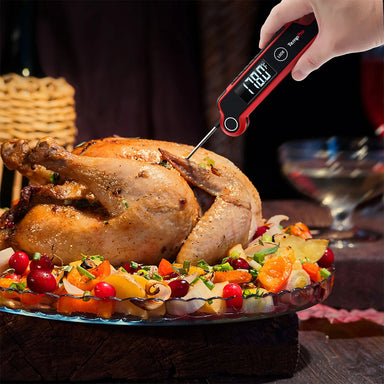
An instant-read meat thermometer is one of the most useful tools to keep next to your grill. Instead of cutting into a burger or chicken breast to see if it's done, you can insert the probe into the thickest part of the food and get a temperature reading within seconds.
The biggest advantage is speed. You don't need to leave a probe in the food while it cooks. Simply open the meat thermometer, insert the probe, check the temperature, and remove it.
This makes an instant-read meat thermometer particularly useful for a busy Labor Day BBQ. If you have several burgers or pieces of chicken on the grill, you can quickly check each one and decide which pieces need more time and which are ready to serve.
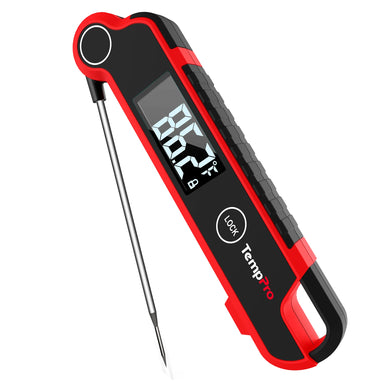
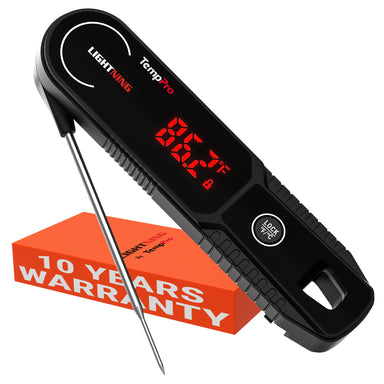
For a Labor Day BBQ, the TempPro TP620 Instant-Read Meat Thermometer is a practical choice for both beginners and experienced grillers. The TempPro TP620 provides a temperature reading in 0.5 second with an accuracy of ±0.9°F, so you don't have to keep the grill open for long. Its 4.31-inch stainless steel probe is long enough to reach into the center of many common BBQ foods while keeping your hands away from the heat.
Its large, backlit display is easy to read around the grill, and the 180° auto-rotating screen automatically adjusts the display orientation. This is especially convenient when you're switching between your left and right hand while grilling.
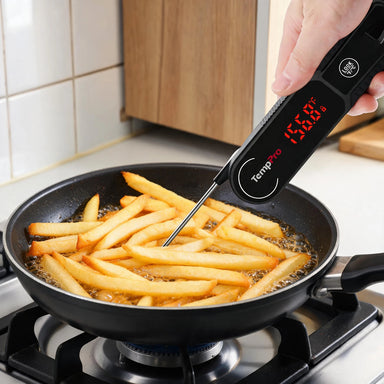
The TempPro TP620 also features a temperature lock function, allowing you to lock the reading on the display and move the thermometer away from the heat before checking the temperature. Its IP65 waterproof rating makes it easy to rinse under running water after checking multiple foods.
For a holiday cookout, its motion-sensing design is another convenient touch: the TempPro TP620 wakes when you pick it up and goes into sleep mode after inactivity, helping conserve its AAA battery.
Best for: Burgers, steaks, chicken, sausages, pork chops, salmon, shrimp, and other foods that need quick temperature checks.

Wireless Meat Thermometer
An instant-read thermometer is perfect for quick checks, but it's not always the best option for foods that take hours to cook.
If you're making ribs, brisket, pork shoulder, or another large cut, repeatedly opening the grill or smoker to check the temperature can release heat and make it harder to maintain a consistent cooking environment. That's where a wireless meat thermometer comes in.
A wireless meat thermometer stays in the meat while it cooks, continuously monitoring the internal temperature. Depending on the model, it can also monitor the temperature inside your grill or smoker.
This means you can:
- Monitor food without opening the grill
- Keep track of long cooks while preparing other food
- Receive temperature alerts
- Monitor multiple pieces of meat
- Spend less time standing next to the grill
- Avoid constantly guessing when your food will be ready
This can be particularly valuable during a Labor Day party. Instead of spending several hours watching a brisket or rack of ribs, you can keep an eye on the temperature while talking with guests, preparing side dishes, or enjoying the party.
For a larger Labor Day BBQ party or anyone planning to cook multiple foods at once, the TempPro TempSpike Pro TP980 Wi-Fi Meat Thermometer offers a more hands-off approach to grilling.
The TempSpike Pro TP980 is a truly wireless meat thermometer, meaning there are no probe wires running from the meat to an external transmitter. Its probes connect wirelessly to the booster, creating a cleaner and less cluttered cooking setup.
One of its biggest advantages is dual Wi-Fi and Bluetooth connectivity. Bluetooth provides a range of up to 1,060 feet in open areas, while Wi-Fi allows you to monitor your cooking remotely as long as your phone has an internet connection. This means you can move around the house or backyard without being tied to the grill.
The TempSpike Pro TP980 also supports up to four color-coded probes, making it useful when you're cooking several foods at the same time. For example, you could monitor chicken on one probe, ribs on another, and steak or pork on additional probes, all from the same system.
Another useful feature is its 3+1 sensor design. Each probe uses three internal sensors to monitor the meat and one ambient sensor to monitor the surrounding cooking temperature. The system is designed to identify the coldest point inside the food, helping you get a more reliable picture of whether the meat is actually cooked through.
The probes are also built for demanding BBQ conditions, with an IP67 waterproof rating. The probes can run for 36 hours or more on a full charge, while the booster provides 20 hours or more of battery life.
The TempSpike Pro TP980 also includes a big LCD booster display, so you can check temperature information without relying entirely on your phone. Customizable alerts and the TempPro app make it easier to know when your food reaches the temperature you're aiming for.
Best for: Ribs, brisket, pork shoulder, large roasts, long smoking sessions, and Labor Day barbecue where you're cooking several dishes at once.

Grill Brush
A clean grill is an important part of a successful Labor Day BBQ. Grease, burnt food, and residue left on the grates can affect the flavor of your food and make your next cookout messier. A quick cleaning before and after grilling can help keep your grates ready for the next meal.
For an easier cleanup, consider the TempPro AGT300 Bristle-Free Grill Brush. Its 3D triple-helix design reaches around the sides of grill grates instead of only cleaning the top surface, while the built-in wide scraper helps remove stubborn grease and burnt-on residue. Most importantly, the AGT300 is 100% bristle-free, so you don't have to worry about loose wire bristles getting left behind on the grates.
The TempPro AGT300 also features a reinforced structure and heat-resistant handle, making it suitable for regular grill cleaning. It works with a variety of setups, including gas, charcoal, smoker, porcelain, and infrared grills.
Best for: Removing grease, burnt food, and buildup from grill grates before and after your Labor Day BBQ.

Long-Handled Tongs
Good tongs give you better control when flipping burgers, turning sausages, or moving vegetables around the grill. Avoid using a fork to repeatedly poke meat, since doing so can release juices.
Grill Gloves
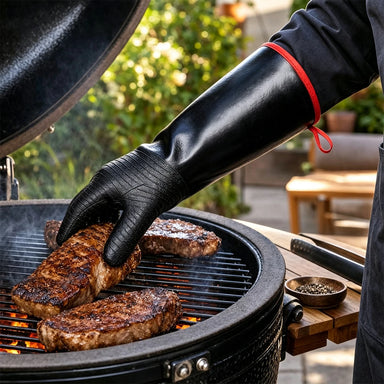
Grill gloves are useful when you're working around hot grill grates, cast-iron cookware, charcoal, or a smoker. They provide an extra layer of protection when you need to handle hot equipment or move food and cookware around the grill.
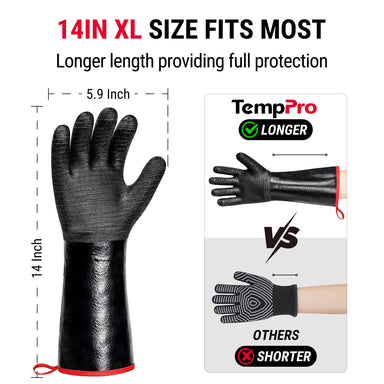
For Labor Day BBQs, the TempPro TP100 Waterproof BBQ Gloves are a practical choice. Made from 100% food-grade neoprene, they offer heat resistance up to 932°F and feature 14-inch extended sleeves to protect your hands and forearms from heat, grease, and splashes. The textured surface provides a secure, non-slip grip, while the waterproof, oil-resistant exterior makes the gloves easy to rinse clean after a messy cookout.
Best for: Handling hot grill grates, charcoal, cast-iron cookware, smoker accessories, and other high-temperature BBQ tasks.

Easy Labor Day Food Ideas
If you're looking for simple Labor Day recipes that doesn't require spending the entire day in the kitchen, try this combination:
Main
- Classic Cheeseburgers
- Grilled Hot Dogs
- BBQ Chicken Thighs
- Grilled Sausages
- Grilled Steaks
- BBQ Ribs
- Grilled Salmon
Sides
- Grilled corn
- Coleslaw
- Potato salad
- Fresh fruit
Condiments & Toppings
- Ketchup
- Mustard
- BBQ sauce
- Pickles
- Sliced onions
- Lettuce
- Tomatoes
- Cheese
Dessert
- Watermelon
- Fruit skewers
- Ice cream
- Brownies or cookies
This menu works well because most of the sides can be prepared ahead of time, while the main dishes can be cooked on the grill shortly before serving.
Labor Day BBQ Party Ideas
Food is the centerpiece, but a few simple activities can make your backyard gathering more memorable.
Set Up Lawn Games
Games such as cornhole, horseshoes, ladder toss, or frisbee can keep guests entertained while the food is cooking.
Create a Self-Serve Drink Station
Set up drinks in one location so guests don't need to ask you for something every few minutes.
Make It a Potluck
If you're expecting a large group, ask each guest or family to bring a side, dessert, or drink.
Set Up a Topping Bar
For burgers and hot dogs, put toppings in separate containers and let guests build their own.
It's easy to prepare and gives everyone more choices.
Keep the Menu Relaxed
Remember that Labor Day BBQs are about spending time together, not creating a restaurant-quality menu.
A few well-cooked favorites are usually better than an overly ambitious menu that keeps the host stuck at the grill all afternoon.
FAQs about Labor Day Meals
Q1. What is the best food to grill for Labor Day?
Burgers, hot dogs, sausages, chicken, steaks, ribs, and grilled vegetables are all popular choices. For a large gathering, choose foods that can be cooked in batches and prepared ahead of time.>
Q2. What temperature should burgers be cooked to?
Ground beef should reach an internal temperature of 160°F. Use a food thermometer to check the center of the patty rather than relying on its color.
Q3. What temperature should chicken reach on the grill?
All poultry, including chicken breasts, thighs, wings, and ground poultry, should reach 165°F internally.
Q4. How do you keep grilled meat from drying out?
Avoid overcooking, choose the right cooking method for the cut, monitor internal temperature, and let larger pieces rest before slicing.
Q5. How long can BBQ food sit outside?
Perishable food should generally not be left unrefrigerated for more than 2 hours, or more than 1 hour when the temperature is above 90°F.
Q6. Do I really need a meat thermometer for a BBQ?
A meat thermometer is one of the easiest ways to check whether meat has reached a safe internal temperature without cutting it open or guessing based on appearance. It's especially useful when cooking different types and sizes of meat at the same time.
Final Thoughts
A great Labor Day BBQ doesn't need to be complicated. Choose a few crowd-pleasing foods, prepare your sides ahead of time, organize your grill before guests arrive, and use a meat thermometer to take the guesswork out of cooking.
Most importantly, don't spend the entire holiday standing over the grill. Once your food is cooking at the right temperature and your preparation is under control, step away from the grill, grab a cold drink, and enjoy the long weekend with your family and friends. After all, that's what a Labor Day BBQ should be about: good food, good company, and one more great outdoor gathering before summer comes to an end.
Getting ready for your Labor Day cookout? Check out the TempPro Labor Day Sale for special savings on meat thermometers, BBQ tools, and other grilling essentials. Stock up before the long weekend and make your next BBQ easier and more enjoyable.


Comments

Recommended Products