15 Common Steak Grilling Mistakes and How to Avoid Them


 288 Comments


Grilling a steak sounds simple: season it, put it on the grill, flip it, and take it off when it looks done. However, anyone who has grilled steak knows that getting consistently juicy, flavorful results isn't always that easy. You can end up with a steak that's burnt on the outside and undercooked inside, dry instead of juicy, or cooked far beyond the doneness you wanted.
The good news is that most steak-grilling mistakes are easy to fix once you know what causes them. Whether you're grilling a ribeye for a weekend BBQ, cooking New York strip for the family, or trying to perfect a filet for a special dinner, these practical tips can help you get better results every time.
Table of Contents
15 Mistakes You're Probably Making While Grilling Steak
If your grilled steaks aren't consistently turning out the way you want, don't worry. Grilling great steak isn't luck, but it's pure science and technique. Here are 15 common steak-grilling mistakes most pitmasters make and how to fix them for good.
Choosing the Wrong Steak for Your Grilling Method
Not every steak behaves the same way on the grill. Some cuts are naturally tender and work well with high-heat grilling, while others benefit from a different approach. Choosing a steak simply because it looks good at the grocery store can make your cooking experience harder than it needs to be.
Popular grilling steaks include:
- Ribeye
- New York strip
- Sirloin
- Tenderloin or filet mignon
- T-bone
- Porterhouse
For beginners, ribeye and New York strip are particularly forgiving because they have good flavor and enough fat to stay juicy when grilled properly.
How to avoid it
Before buying your steak, consider both the cut and the cooking method. For direct high-heat grilling, choose steaks that are reasonably thick and suited to quick cooking.
A steak around 1 to 1½ inches thick is often easier to manage than a very thin steak because you have more time to develop a browned exterior without immediately overcooking the center.
Skipping the Pre-Searing Dry Brine
Moisture on the surface of your steak can work against good browning. If you take a steak directly from its packaging and put it on the grill while the surface is wet, some of the grill's heat goes toward evaporating that moisture instead of helping the surface brown. The result can be a steak that takes longer to develop a flavorful crust.
How to avoid it
Before seasoning, gently pat the steak dry with paper towels. Then season it with salt and your preferred spices. A dry surface gives the steak a better chance of developing the browned exterior that makes grilled steak so appealing.
Not Cleaning the Grill
A dirty grill isn’t just unappetizing, but it’s actively ruining your food. Leftover charred food particles on the grates will stick to your steak, imparting a bitter, acrid taste. It also makes food more likely to stick and prevents proper searing.
How to avoid it:
Clean your grill grates before every use. The best time to do it is right after cooking, while the grates are still warm, the residue comes off much more easily. Use a sturdy grill brush and give it a good scrub.
The TempPro AGT300 Bristle-Free Grill Brush uses a 3D triple-helix design to clean around multiple sides of the grill grates, while its built-in wide scraper helps remove stubborn grease and burnt-on food. Its bristle-free design eliminates loose wire bristles, and the heat-resistant handle keeps your hands farther away from hot grates while cleaning. It works with gas, charcoal, smoker, porcelain, and infrared grates, making it a versatile choice for regular BBQ maintenance.

Not Preheating the Grill Properly
Putting a steak on a cold or only partially heated grill is a common mistake. A hot grill helps create the high heat needed for browning and gives you better control over the cooking process.
If the grates aren't hot enough, the steak may cook slowly without developing a good crust. If you're using a charcoal grill, inconsistent heat can create another problem: one part of the grill may be much hotter than another.
How to avoid it
Give your grill enough time to preheat before adding the steak. For a two-zone setup, create:
- A high-heat direct zone for searing
- A lower-heat indirect zone for finishing thicker steaks
This gives you more control if the outside is browning faster than the center is cooking.
Flipping the Steak Too Often
There's a lot of debate about how often you should flip a steak. The bigger problem is not necessarily flipping itself, but it's constantly moving the steak around without a reason. Every time you open the grill or move the steak, you're making it harder to maintain consistent heat and develop an even crust.
How to avoid it
Place the steak on the hot grill and give it enough time to develop a good sear. Flip it when needed, then continue cooking until it reaches your target internal temperature. You don't need to treat the steak like it's fragile. Just avoid constantly poking, pressing, and moving it.
Pressing Down on the Steak
This is one of the most tempting mistakes to make. You see juices bubbling on the surface, grab your spatula, and press down. Unfortunately, pressing the steak doesn't make it cook better. It can push flavorful juices out onto the grill.
How to avoid it
Leave the steak alone while it cooks. Use your spatula or tongs to turn it when necessary, but resist the urge to press down on it. If you're worried about the steak taking too long to cook, check its internal temperature instead of squeezing it.
Relying on Cooking Time Instead of Internal Temperature
This is perhaps the biggest mistake when you're trying to achieve a specific steak doneness. You may see recommendations such as "grill for five minutes per side," but cooking time is only a rough guideline.
The actual cooking time can change depending on:
- Steak thickness
- Starting temperature
- Grill temperature
- Type of grill
- Direct or indirect heat
- Wind and outdoor temperature
A 1-inch steak and a 2-inch steak obviously won't cook at the same rate.
How to avoid it
Use a meat thermometer. For whole cuts of beef, the USDA recommends a minimum internal temperature of 145°F, followed by at least a 3-minute rest for food safety. Your preferred steak doneness is a matter of personal taste, but a meat thermometer gives you an objective temperature reading instead of forcing you to guess.
Cutting Into the Steak to Check If It's Done
Another common method is cutting into the middle of the steak to see what it looks like. While this may give you a visual clue, it's not the best way to monitor cooking. You can lose some juices, and the color of the meat isn't a reliable way to determine whether it has reached a safe temperature. USDA guidance specifically recommends using a food thermometer rather than relying on appearance.
How to avoid it
Insert a meat thermometer into the thickest part of the steak, avoiding bone, fat, or gristle. This lets you check the internal temperature without cutting the steak open. If you're serious about grilling steak, temperature control is one of the easiest ways to improve consistency.
The Doneness of Steak
- Rare: 125°F
- Medium-Rare: 135°F (The sweet spot for most cuts)
- Medium: 145°F (USDA Recommends)
- Well-Done: 160°F+
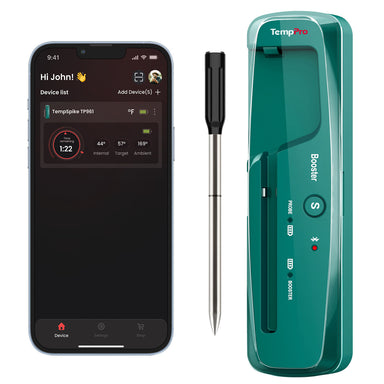
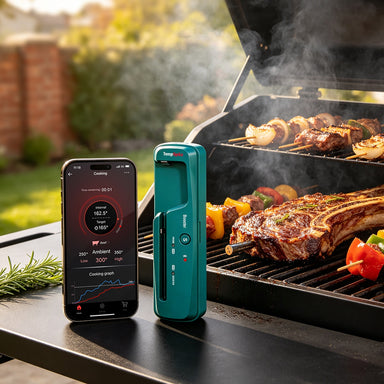
The TempPro TempSpike Plus TP970 Wireless Meat Thermometer is designed for grillers who want to monitor steak temperature without constantly lifting the grill lid or standing next to the grill.
The TempSpike Plus TP970 uses a 100% wire-free probeand Bluetooth 5.2 connectivity, allowing you to monitor your steak's internal temperature from your smartphone from up to 600 feet away.
That can be especially useful during a backyard BBQ. Instead of standing over the grill waiting for your steak to reach the right temperature, you can prepare side dishes, talk with guests, or relax while keeping an eye on the cook from your phone.
Why the TempSpike Plus TP970 Works Well for Grilling Steak
- 100% wireless design: There are no probe wire running from the steak to a receiver, so your grill stays less cluttered and you have more freedom to move around.
- 600-ft Bluetooth range: The long wireless range lets you monitor your steak from a distance, although walls, grill lids, and other interference can reduce the actual range.
- Real-time internal & ambient temp monitoring: The TempSpike Plus TP970 tracks both the steak's internal temperature and the surrounding cooking temperature, helping you understand not only how hot the meat is inside but also what's happening around it.
- High-temperature probe: The probe's ceramic tip can withstand ambient temperatures up to 1,050°F, making it suitable for high-heat grilling and searing.
- Smartphone monitoring and alerts: You can monitor temperatures from your phone and receive alerts when your steak approaches your target temperature, making it easier to avoid accidentally overcooking it.

For steak lovers, the biggest advantage is simple: you can focus on the temperature instead of guessing based on time or appearance.
Cooking the Steak Straight from the Refrigerator
It can be tempting to take a steak out of the refrigerator and immediately put it on the grill. But extremely cold meat can make it harder to cook evenly, particularly when you're working with a thick steak. The outside may brown quickly while the center remains much cooler.
How to avoid it
Follow safe food-handling practices and don't leave raw meat sitting at room temperature for extended periods. Instead, focus on controlling your grill temperature and monitoring the steak's internal temperature. A food thermometer is much more reliable than trying to judge doneness based on how long the steak has been sitting outside the refrigerator.
Using Too Much or Too Little Seasoning
A great steak doesn't need a complicated ingredient list. But seasoning incorrectly can affect the final result. Too little seasoning can make the steak taste bland, while an excessive amount of salt or heavily layered seasoning can overpower the natural flavor of the beef.
How to avoid it
For a simple grilled steak, start with:
- Kosher salt
- Freshly ground black pepper
- A small amount of garlic powder, if desired
Season the steak evenly rather than concentrating seasoning in one area. If you're using a marinade or a strong seasoning blend, remember that the steak itself should still be the star of the meal.
Ignoring Flare-Ups
Fat dripping onto hot coals causes flare-ups. While flames look cool, black soot from grease fires coats your steak in bitter, acrid-tasting carbonized oil.
How to avoid it
Never spray water on coals (it kicks up ash onto your food). Instead, move the steak temporarily to the indirect heat zone until the flare-up dies down. Always keep your grill grates clean to minimize buildup.
Cranking the Heat to Maximum
High heat is great for searing, but leaving a thick 1.5-inch steak over direct high flames for the entire cook will burn the outside while leaving the inside raw.
How to avoid it
Set up a two-zone fire. On a charcoal grill, push coals to one side; on a gas grill, turn off one set of burners. Use the Reverse Sear Method: cook the steak over indirect heat until it reaches about 10°F to 15°F below your target temperature, then move it over direct high heat for 1-2 minutes per side to build a crust.
Ignoring Carryover Cooking
Your steak doesn't necessarily stop cooking the moment you remove it from the grill. The internal temperature can continue to rise during the resting period, especially with thicker steaks. This is why pulling the steak at the exact temperature you want to eat it isn't always the best approach.
How to avoid it
Monitor the temperature as you approach your target and consider carryover cooking when deciding when to remove the steak from the heat. The exact temperature increase varies depending on the steak's thickness, cooking method, and other factors, so a thermometer is useful here as well.

Skipping the Resting Period
You've finally cooked your steak. You're hungry, so you immediately cut into it. It's understandable, but giving the steak a little time to rest can improve the eating experience.
How to avoid it
Place the steak on a clean plate or cutting board and let it rest before slicing. For food safety, USDA recommends at least a 3-minute rest for beef steaks that have reached 145°F. Resting also gives you a moment to finish the rest of the meal instead of rushing straight from grill to plate.
Slicing the Steak the Wrong Way
Even a perfectly grilled steak can seem tougher than it should if you slice it incorrectly. Muscle fibers run in a particular direction through the steak. Cutting with those fibers can leave you with longer, chewier pieces.
How to avoid it
Look at the direction of the muscle fibers and slice against the grain. This shortens the muscle fibers and can make each bite feel more tender. For cuts such as flank steak and skirt steak, this technique is particularly important.
A Simple Steak Grilling Method That Works
Now that we've covered the common mistakes, here's a straightforward approach you can use at your next BBQ.
1. Choose a Good Steak: Pick a steak with a thickness that suits your grill and cooking style. Look for good marbling if you want a richer, more flavorful result.
2. Pat It Dry: Use paper towels to remove excess surface moisture.
3. Season: Season both sides evenly with salt and pepper or your preferred steak seasoning.
4. Preheat the Grill: Get your grill hot before putting the steak on.
5. Sear: Place the steak over direct heat and allow the surface to develop a good crust.
6. Monitor the Temperature: Insert the TP970 probe into the thickest part of the steak and monitor the internal temperature.
7. Move to Indirect Heat if Needed: If the outside is getting too dark before the center reaches your target, move the steak to a cooler area of the grill.
8. Remove and Rest: Once the steak reaches the appropriate temperature for your cooking goal, remove it from the grill and let it rest.
9. Slice Against the Grain: For cuts where the grain is easy to see, slice across it rather than along it.
FAQs about Grilling Steaks
Q1. What is the best temperature for grilling steak?
There isn't one grill temperature that works for every steak. High heat is useful for searing, while thicker steaks may benefit from finishing over lower or indirect heat. The key is to monitor the steak's internal temperature rather than relying only on grill temperature or cooking time.
Q2. What internal temperature should steak reach?
The USDA recommends cooking beef steaks, chops, and roasts to a minimum internal temperature of 145°F, followed by a3-minute rest.
Q3. How do I know when my steak is done?
The most reliable method is to use a food thermometer. Insert the probe into the thickest part of the steak, avoiding bone, fat, or gristle.
Q4. Should I flip my steak more than once?
You don't need to constantly flip your steak. Give it enough time to develop a good sear, then flip it as needed to cook evenly. The most important factor is reaching the desired internal temperature.
Q5. Should I press down on my steak while grilling?
No. Pressing the steak can force juices out onto the grill. Instead, leave the steak alone and use a thermometer to monitor its progress.
Q6. Why is my steak burnt outside but raw inside?
This usually means the surface is cooking faster than the center. The grill may be too hot for the thickness of the steak. Try using a two-zone grilling setup: sear over direct heat, then move the steak to indirect heat to finish.
Q7. Is a wireless meat thermometer worth it for steak?
If you grill steak frequently, a wireless thermometer can make temperature monitoring much easier. The TempPro TempSpike Plus TP970 allows you to monitor your steak remotely through your phone, so you don't have to stay next to the grill while it cooks.
Q8. Why should I let steak rest after grilling?
Resting gives the steak time after cooking before slicing. For food safety, USDA recommends a minimum 3-minute rest after beef steaks reach 145°F.
Q9. What is the best way to make steak more tender?
Start with an appropriate cut, avoid overcooking, monitor the internal temperature, let the steak rest, and slice against the grain when appropriate. Good grilling technique matters just as much as the steak itself.
Final Thoughts
Great steak doesn't require complicated techniques. Most disappointing steaks come down to a handful of common mistakes: starting with a wet steak, using insufficient grill heat, constantly moving the meat, pressing it down, relying on cooking time, or guessing when it's done.
The easiest improvement is to take control of temperature. A wireless meat thermometer such as the TempPro TempSpike Plus TP970 makes that easier by continuously monitoring your steak while you grill. With a wire-free probe, 600-foot Bluetooth range, real-time internal and ambient temperature monitoring, and smartphone alerts, you can spend less time guessing and more time enjoying your BBQ.
Once you combine accurate temperature monitoring with a hot grill, a good steak, proper resting, and a little patience, you'll be much closer to the juicy, flavorful steak you're looking for.


Comments
You May Also Like


Recommended Products