Steak Resting: Does Resting meat Really Make It Juicier?


 288 Comments


Have you ever cooked a steak, or even watched somebody cook a steak? If so, then you've probably been told the exact same thing over and over again:
"you have to let it rest."
It's as if it is an unwritten law. Put the steak down, take it away from the grill, let it sit for a little while, and voila your steak will become moist and tender.
The Problem is that many people doesn't really comprehend how resting actually works. They blindly follow the rule, but then still produce steaks that are dry, burnt, or just plain bad.
So we're left wondering if resting really helps make a steak more tender and Juicy? Actually, the answer is more complex than almost anyone would ever think!
What Really Goes on in the Meat as Heat Is Applied to It?
In order to fully grasp resting, you have to truly comprehend what heat does to meat. When a steak is placed under intense heat, many things occur simultaneously:
- Muscle fibers contract
- Liquids within the meat move towards its center
- The surface temperature of the meat increases very rapidly
All of these combined create increased pressure within the steak. The hotter it becomes, the tighter the muscles are; and thus the liquids are squeezed further and further inward and trapped.
By the time you cut into the steak immediately after applying the heat, that pressure has not dissipated yet. The liquids within the meat have not yet redistributed themselves, therefore they flow outward extremely quickly when cut.
That is known as the "juice on your plate" that everyone tries to keep from occurring.

Does Resting a Steak Actually Help Keep It Moist?
Resting does not add water/moisture to your steak. It merely distributes what is already present. When you allow a steak to rest, the internal temperatures begin to level off slightly. The muscle tissue begins to unwind itself; and therefore, the pressure within the steak begins to dissipate.
As a direct result of this:
- The juices begin to distribute themselves much more evenly throughout the entire piece of meat
- There is less fluid loss when you slice through the meat
- The texture of the meat becomes much more uniform
Thus, resting a steak may help, but in ways most people wouldn't imagine. It doesn't magically make a steak more moist, but it merely keeps you from losing the water/liquid content that exists prior to resting.
Where Things Go Wrong: Overcook Steak Before the Meat Even Rests
Now that's where things get interesting. People primarily concern themselves with resting, but totally neglect to address the larger issue: overcooking.
If your steak is already overcooked:
- The muscle tissue is contracted
- Water/liquid is already lost
- resting will not correct this
Therefore, some individuals may rest their steak flawlessly and yet still leave unimpressed. Resting a steak is not going to solve anything. It is a last minute detail. True control takes place prior to the resting phase.
How the TempPro TP420 Alters Your Way of Cooking Steak
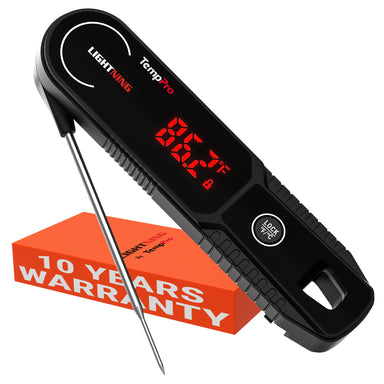
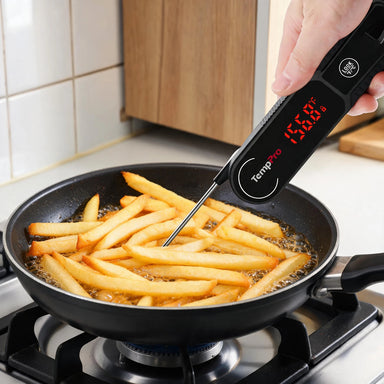
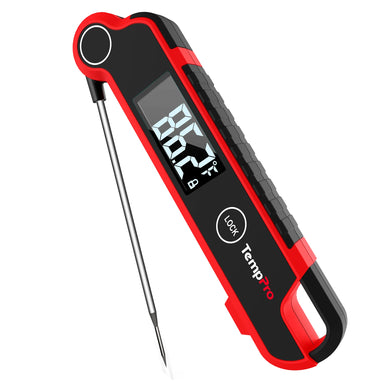
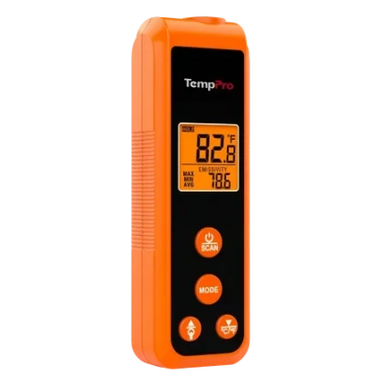
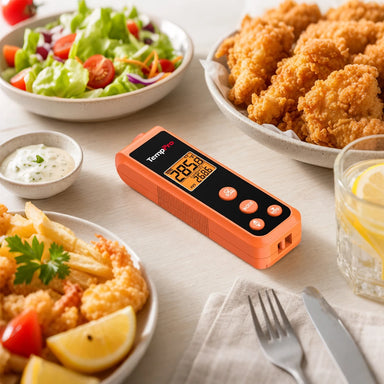
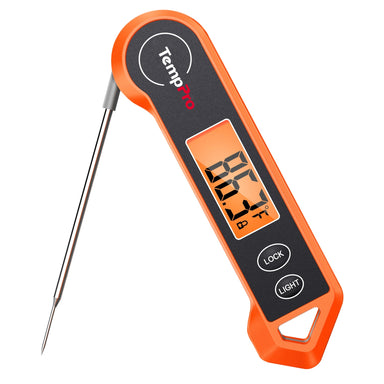
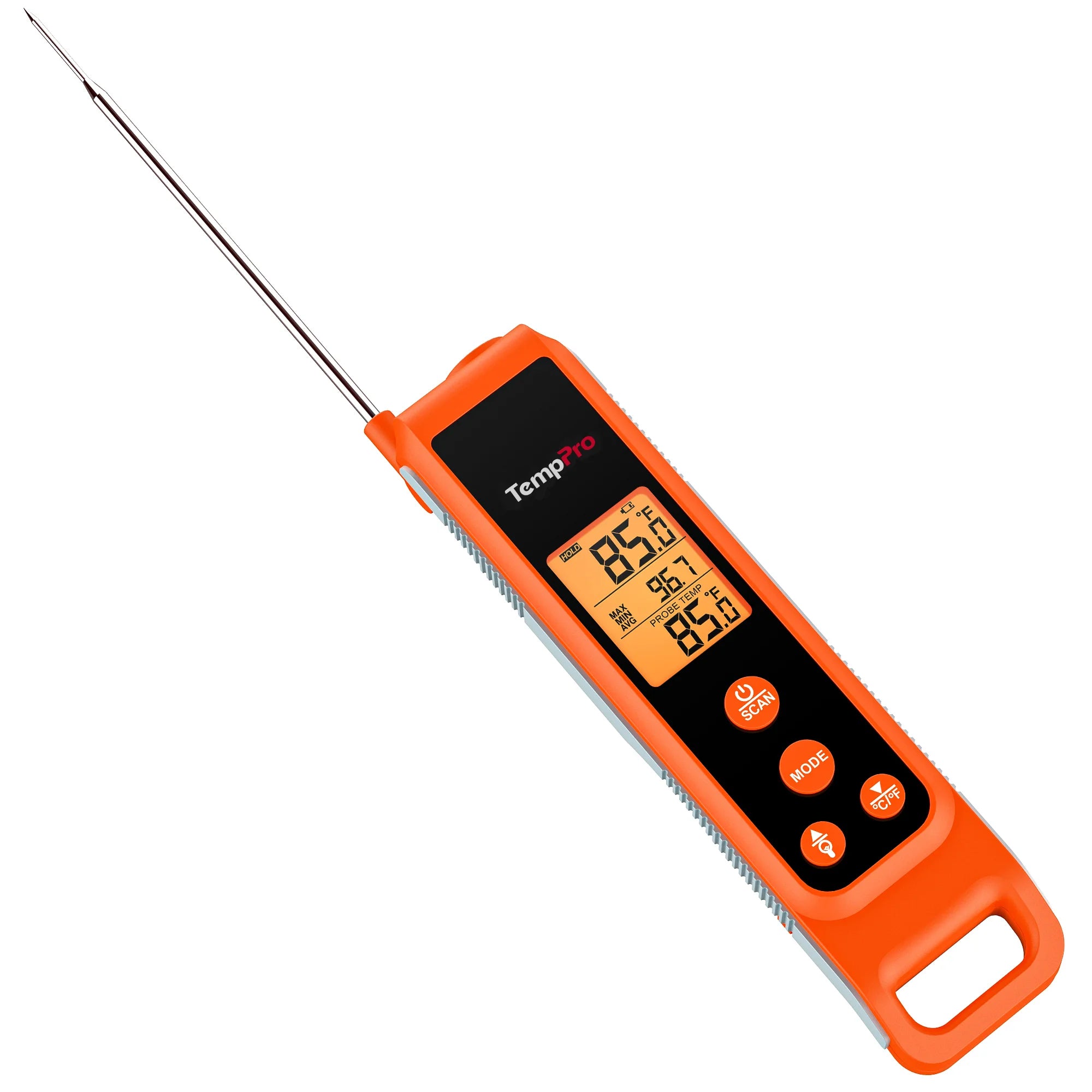
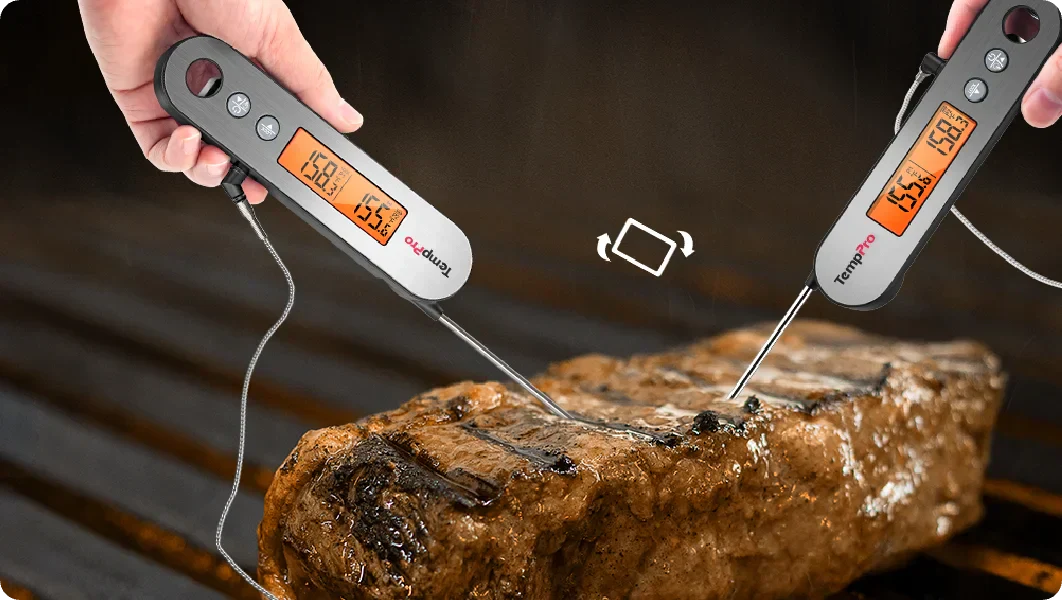
The largest oversight people make, however, isn't disregarding rest. It's assuming every other aspect of their cooking method prior to it. The TempPro TP420 2-in-1 Instant Read Thermometer for Cooking resolves this dilemma by allowing you to maintain absolute control of each stage:
- 2-in-1 infrared and probe functionality
- Measure surface temperature with non contact
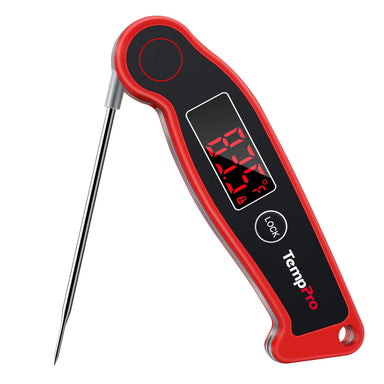
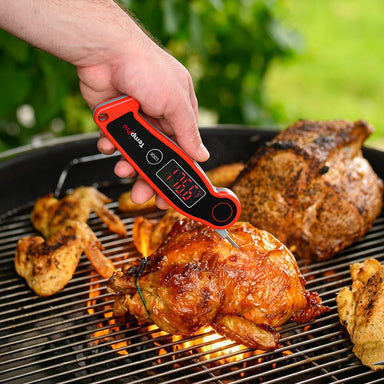
- Check food internal temperature in 2-3 seconds
- Backlit screen for readability
- Motion detection for rapid usage
- Widespread temperature range: Infrared range is -58 to 1022℉(-50 to 550℃) and probe range is -58 to 572℉(-50 to 300℃)

It is not simply an 2-1 instant-read thermometer and infrared thermometer, but it's an overall control device for your entire cooking process.
Instead of taking an educated guess-you can now accurately determine both:
- Using infrared, surface temperature
- Using probe, internal temperature
Thereby providing total control over your entire cooking process.
Step 1: set up correct surface temperature first
Prior to your steak touching either a pan or grill. The surface temperature matters greatly.
- Too low: no sear-no taste.
- Too high: burned outside before inside cooks.
Using the TempPro TP420's 12:1 Distance to Spot ratio infrared sensor with adjustable emissivity, you can safely check grill grates, cast iron pans and pizza stones without having to touch them. With it you know when your surface is prepared.
Step 2: measure internal temperature with great precision
Many mistakes happen at this point. Individuals tend to base their actions upon:
- Time
- Color
- Feeling
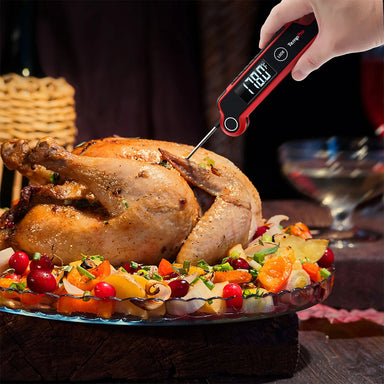
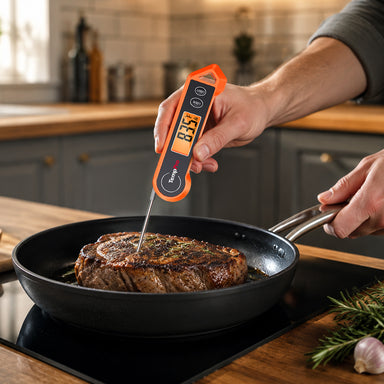
None of which are accurate methods. Utilizing the TempPro TP420's instant readings (±1.8° F) for the probe (in 2-3 seconds), you can now monitor steak doneness accurately.
Example:
- Rare: around 125° F
- Med rare: 130-135° F
- Med: 140-145° F
Once you reach your desired temperature, remove the steak. Not earlier-than that. Not later-than that.

Step 3: allow carryover cooking to work for you
An additional portion of the "resting myth" is carryover cooking. Following removal of the steak from heat, the internal temperature will continue to increase slightly.
That indicates that if you cook steak to your final target temperature on the grill, you have likely cooked past that temperature already.
Rather than:
- Pull steak 5-10° f short of your target temp
- Let it rest awhile
- Allow residual heat to complete cooking
This is where resting can finally prove beneficial, but not magical.
Step 4: doing resting properly
Resting a steak does not need to be complicated. Long waiting periods or specialized techniques aren't needed. What is required is:
- To provide a couple minutes for relaxation
- To permit heat to equalize/stabilize
- Not cutting immediately
During this time:
- Juices begin distributing themselves evenly throughout the entire piece of meat
- Texture becomes more consistent
- Final doneness sets in
FAQs about Resting Steak after Cooking
Q1. Does resting steak actually make it juicier?
It doesn't add moisture, but it helps retain and redistribute the moisture already inside the meat.
Q2. How long should steak rest?
Usually a few minutes is enough for juices to redistribute and temperature to stabilize.
Q3. What happens if you don't rest steak?
More juices will escape when cutting, leading to slightly drier texture.
Q4. Do I need a food thermometer for steak?
Not required, but it's the most reliable way to avoid overcooking.
Q5. What is the biggest mistake when cooking steak?
Relying on guesswork instead of controlling temperature of steak.
Conclusion
Most cooking guidelines boil down to simple rules "always rest your steak." Realistic cooking processes do not function in this manner. A good steak results from controlling surface heat, interior temperature, removal timing and prolonged resting time
The TempPro TP420 2-in-1 Instant Read Thermometer for Cooking provides precise data instead of guesswork for achieving these aspects. And once you cease trusting tradition and begin utilizing factual information, preparing steaks will ultimately be something you accomplish consistently-not sporadically.


Comments
Recommended Products