9 Roast Beef Cooking Tips for Even, Juicy Results


 288 Comments


Perfect roast beef is about more than seasoning a good cut of beef and putting it in the oven. The shape of the roast, oven temperature, cooking time, and internal temperature can all affect the final result.
One of the biggest challenges is getting the center cooked to your desired doneness without overcooking the outer layers. A thick or irregularly shaped roast can develop a browned exterior while the center is still undercooked.
The good news is that you can make roast beef much more predictable by controlling a few key factors. These nine roast beef cooking tips will help you achieve more even cooking, better browning, and more consistent results every time.
Table of Contents
How Do You Cook Roast Beef Evenly?
To cook roast beef evenly, choose a roast with a consistent shape, pat the surface dry before seasoning, use a roasting rack, and avoid relying only on minutes per pound. Cooking at a moderate oven temperature and monitoring the internal temperature with a wireless meat thermometer can help you avoid an overcooked exterior and undercooked center.
You should also account for carryover cooking after removing the roast from the oven and allow the meat to rest before slicing.

Roast Beef Temperature Guide
Internal temperature is one of the most useful ways to determine when roast beef is ready. Cooking time can vary depending on the size and shape of the roast, its starting temperature, and your oven.
For the best results, use a reliable meat thermometer to monitor the temperature at the thickest part of the roast.
| Doneness | General Final Internal Temperature |
|---|---|
| Rare | 125-130°F |
| Medium Rare | 130-135°F |
| Medium | 140-145°F |
| Medium Well | 150-155°F |
| Well Done | 160°F+ |
These temperatures describe common doneness preferences. For food-safety purposes, follow current USDA recommendations for the specific beef cut and preparation method you are using.
9 Essential Tips for Perfect Roast Beef
Choose a Uniformly Shaped Roast
The shape of your roast can have a major impact on how evenly it cooks. When one end of a roast is significantly thicker than another, the thinner sections can reach your target temperature much sooner than the center of the thickest section. By the time the center is ready, the thinner areas may already be overcooked.
Whenever possible, choose a roast with relatively consistent thickness throughout. While you cannot eliminate every temperature difference, a more uniform shape gives you a better chance of achieving consistent doneness from edge to center.
Pat the Roast Dry Before Seasoning
Before seasoning your roast, use paper towels to remove excess moisture from the surface. A dry surface helps the roast brown more effectively because surface moisture must evaporate before significant browning can occur. It also helps seasonings adhere more evenly to the meat. This simple step takes only a few seconds but can make a noticeable difference in the appearance and texture of the finished roast.
Season the Roast Generously
A large roast has a lot of surface area, so a light coating of seasoning may not provide enough flavor throughout the exterior. Salt and pepper provide a simple foundation, while garlic powder, dried herbs, and other seasonings can add additional flavor. Apply the seasoning evenly over the top, sides, and other exposed surfaces.
The goal is not simply to use more seasoning. Consistency matters. Uneven seasoning can result in some bites being flavorful while others taste comparatively bland.
Use a Roasting Rack for Better Air Circulation
Place the roast on a roasting rack rather than directly on the bottom of the pan. Elevating the roast allows hot air to circulate around more of its surface, which can encourage more even cooking. It also keeps the underside of the roast from sitting directly in the juices that collect in the bottom of the pan. A roasting rack can be especially useful when cooking a large roast for several hours, when small differences in heat exposure can become more noticeable.
Cook Roast Beef at a Moderate Oven Temperature
Very high oven temperatures can brown the outside quickly while leaving the center significantly cooler.
Using a moderate oven temperature gives heat more time to move toward the center of the roast. This can reduce the difference between the temperature of the outer layers and the temperature at the center.
Higher temperatures can still be useful when you want to develop a deeply browned exterior. However, they do not necessarily need to dominate the entire cooking process.
For more predictable results, focus on controlling the internal temperature rather than simply trying to cook the roast as quickly as possible.

Don't Rely on Minutes per Pound
Recipes often provide cooking estimates such as a certain number of minutes per pound. These estimates can be useful for planning dinner, but they should not be your only indication that the roast is done.
Two roasts of the same weight can cook differently because of variations in:
- Shape and thickness
- Starting temperature
- Cut of beef
- Oven temperature
- Oven performance
- Desired doneness
For this reason, cooking time is best treated as a general estimate. Internal temperature provides a much clearer picture of what is happening inside the roast.
Monitor the Internal Temperature
The center of a roast is hidden from view, making it difficult to judge doneness by appearance alone. A meat thermometer gives you direct information about the internal temperature without requiring you to cut into the roast. This is especially useful for large roasts that may take several hours to cook. For the most useful reading, position the probe in the thickest part of the meat and avoid placing it too close to the surface or directly against bone.
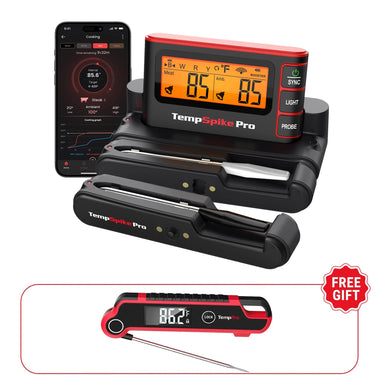
A wireless meat thermometer can make long roast cooks easier because you can monitor the temperature without repeatedly opening the oven. The TempPro TempSpike XR TP862B Wireless Meat Thermometer uses radio frequency technology for wireless temperature monitoring and supports a range of up to 1,000 feet. Its two probes allow you to monitor two locations or separate pieces of meat at the same time.
The wireless meat thermometer also provides a built-in display, so you can check the temperature without relying on a smartphone app or Wi-Fi connection. For cooks who want to monitor a roast from a distance while preparing side dishes or spending time with guests, continuous temperature monitoring can provide more control than checking the oven periodically.

Use Two Probes to Monitor Multiple Areas
A single roast can sometimes have noticeable temperature differences between its thickest and thinner sections. Using two probes lets you monitor more than one location at the same time. The TempSpike XR TP862B includes two color-coded wireless probes, making it easier to identify each temperature reading at a glance. For example, you could place one probe in the thickest section of a roast and another in a different section. You can then compare the readings as the roast cooks.
The probes are also designed for high-temperature cooking environments. When inserting a probe, make sure the appropriate stainless-steel portion remains properly embedded in the meat during cooking and that the probe is positioned according to the manufacturer's instructions.
Account for Carryover Cooking
Roast beef does not stop cooking the moment you remove it from the oven. Residual heat within the roast continues moving toward the cooler center, which can cause the internal temperature to rise during resting. This process is known as carryover cooking.
Because of this temperature increase, removing a roast from the oven at exactly the final temperature you want may result in meat that ends up more done than intended.
Instead, consider carryover cooking when deciding when to remove the roast from the oven. The amount of temperature increase can vary depending on the size and shape of the roast, cooking temperature, and other factors.
Let the Roast Rest Before Slicing
After removing the roast from the oven, allow it to rest before slicing. Resting gives the temperature time to stabilize and allows the juices to redistribute within the meat. Cutting immediately can cause more juices to escape onto the cutting board instead of remaining in the roast.
The exact resting time depends on the size of the roast, but larger roasts generally benefit from a longer rest than smaller cuts.
Common Roast Beef Cooking Mistakes to Avoid
Even a good cut of beef can turn out poorly if a few common mistakes are overlooked.
Relying Only on Cooking Time
Minutes per pound can provide a rough estimate, but it cannot account for every variable affecting cooking.
Cooking at Excessively High Heat
High temperatures can brown the exterior before the center has had enough time to reach the desired temperature.
Checking Only the Outside
A beautifully browned roast does not necessarily mean the center is done. Always check the internal temperature when possible.
Opening the Oven Too Often
Repeatedly opening the oven can allow heat to escape and make the cooking environment less consistent.
Slicing the Roast Immediately
Cutting into the roast immediately after cooking can release juices and interrupt the resting process.
Ignoring Carryover Cooking
The internal temperature can continue rising after the roast comes out of the oven. Factor this into your target temperature and resting period.
FAQs About Cooking Roast Beef
What temperature should roast beef be cooked to?
The ideal temperature depends on your preferred doneness and the specific cut of beef. Use a meat thermometer to monitor the internal temperature rather than relying solely on cooking time. For food safety, follow current USDA guidance for the cut and preparation method.

How long should I cook roast beef?
There is no single cooking time that works for every roast. Cooking time depends on the roast's weight, thickness, starting temperature, oven temperature, and desired doneness. Use cooking time as a planning estimate and internal temperature as the primary indicator of doneness.
Why does my roast beef cook unevenly?
Uneven thickness is one of the main reasons a roast can cook unevenly. Differences in starting temperature, oven heat, and the position of the roast can also affect how quickly different areas reach the desired temperature.
Should I use a roasting rack for roast beef?
Yes. A roasting rack elevates the beef above the bottom of the pan, allowing air to circulate around more of the roast and preventing the underside from sitting directly in cooking juices.
Does roast beef continue cooking after I take it out of the oven?
Yes. Residual heat can continue moving toward the center of the roast after it is removed from the oven. This is called carryover cooking and can cause the internal temperature to rise during resting.
How long should roast beef rest before slicing?
Resting time depends on the size of the roast. Larger roasts generally require more resting time than smaller cuts. Allowing the roast to rest before slicing gives the internal temperature time to stabilize and helps retain more of its juices.
Can I use a meat thermometer for roast beef?
Absolutely. A smart meat thermometer is one of the most reliable ways to monitor roast beef because it measures the temperature inside the meat rather than relying on appearance or cooking time.
Does the TempPro TempSpike XR TP862B require an app?
No. The TempSpike XR TP862B can provide temperature readings through its dedicated display without requiring an app, account, or Wi-Fi connection.
What is the range of the TempSpike XR TP862B?
The TempSpike XR TP862B supports wireless monitoring from up to 1,000 feet under suitable conditions. The TempSpike XR TP863B includes a range extender and can support monitoring up to 2,000 feet.
Can I use both probes simultaneously?
Yes. The two wireless, color-coded probes can monitor two locations or separate pieces of meat simultaneously, making it easier to compare temperatures while cooking.
Final Thoughts
Consistently good roast beef does not have to depend on guesswork. Choosing a uniformly shaped roast, drying and seasoning the surface properly, using a roasting rack, and cooking at a moderate temperature can all help improve consistency.
Most importantly, don't rely solely on minutes per pound. Use a wireless meat thermometer to monitor internal temperature gives you a much better indication of when your roast has reached the desired level of doneness.
Finally, remember that cooking continues after the roast leaves the oven. Account for carryover cooking and give the roast time to rest before slicing. With the right temperature information and a little patience, you can achieve more predictable, evenly cooked roast beef for your next Sunday dinner.


Comments


Recommended Products