8 Ribeye Tips That Make the Fat Render Perfectly


 288 Comments


Ribeye is arguably the most forgiving cut of beef in terms of flavor and versatility; however, it is also perhaps the most abused. Many consumers believe that simply because ribeye is a fattier cut than others, it will be more likely to provide a tender and juicy product regardless of how it is prepared. However, the exact opposite occurs when the fat is not managed appropriately. The fat is either not melted and therefore chewy, rubbery, or irregularly cooked rather than softening and adding flavor to the meat.
The problem is not the quality of the steak, it is control. The fat does not magically render simply because heat is applied. The fat needs the appropriate amount of time, usually an adequate temperature range, the right temperature, and consistent heat to break down. When ribeye is cooked correctly, it provides a rich, buttery feel that is far superior to many restaurant-quality products. Conversely, if it is cooked poorly, it will be heavy, greasy, and a poor value.
8 Ribeye Tips for Perfect Fat Rendering Every Time
Controlling fat rendering properly is the difference between a premium quality steak and a subpar steak.
Cook the Ribeye Thick Enough
Thin steaks cook so fast they do not allow the fat to fully render. The outside of the steak reaches high temperatures before the interior has sufficient time to break down the fat. As such, the finished dish will look "done" but still have unrendered fat pockets throughout.
Thicker steaks provide you with greater control over the cooking process. A thicker steak allows heat to penetrate at a slower rate, thus providing the fat ample opportunity to soften and melt, versus remain firm.
Allow the Steak to Come to Room Temperature
Cooking a cold steak from the refrigerator will produce varying degrees of results. The exterior of the steak will rapidly reach high temperatures while the interior remains cool. This hinders the ability of the fat to render consistently.
Allowing the steak to come to room temperature for 20 to 30 minutes prior to cooking allows for a uniform internal temperature. This makes it easier for the heat to transfer uniformly and affords the fat a greater opportunity to break down during cooking.
Apply Moderate Heat First, Then Finish with High Heat
Most people automatically assume high heat is always the way to achieve a perfectly cooked steak. While high heat is beneficial for creating a crust on the steak, it is not ideal for rendering fat from the beginning.
High heat used too early will cause the outside of the steak to cook too quickly and form a crust before the fat has time to melt. This encloses unrendered fat within the steak, leading to uneven texture.
Using moderate heat initially allows the fat to slowly render before increasing heat to finish with a proper sear. This multi-layered approach creates both tenderness and texture, rather than compromising one aspect at the expense of the other.
Monitor Both Ambient and Internal Temperatures
Rendering fat is not solely dependent upon the surface temperature. It is equally dependent upon the temperature within the steak and surrounding environment.
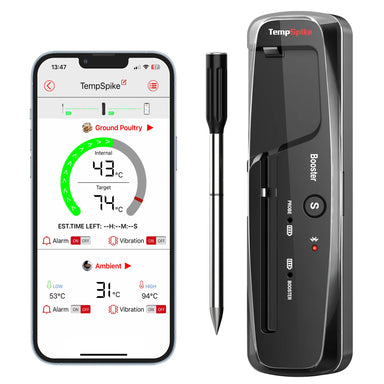
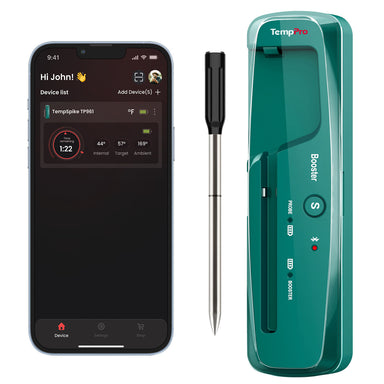
That is where the TempSpike TP963 Truly Wireless Meat Thermometer comes into play. This tool enables you to monitor both internal and ambient temperatures simultaneously, providing a complete view of how the steak is cooking.
Key Features:
- Dual Color-Coded Probes in long and short sizes to monitor multiple cuts or areas.
- Reliable RF and Bluetooth Connection up to 500 ft.
- Real-Time Monitoring via the App.

You are no longer relying on guesswork. You are making decisions based upon factual information. Having this level of control is what allows fat to be rendered properly, rather than leaving it to chance.
Give the Fat Time to Break Down before Sealing the Surface with High Heat
Another highly effective method is to give the fat time to break down before using high heat to seal the surface.
Do not immediately sear the steak. Rather, allow the steak to sit above moderate heat until the fat begins to break down. After the initial breakdown has occurred, you can increase the heat to create the crust on the steak. This approach eliminates the common mistake of developing a crust on the surface too soon while the fat remains unrendered within the steak.
Utilize the Edge-Rendering Technique
Ribeye contains large amounts of fat caps, requiring individualized focus. By holding the steak on its side and allowing the fat edge to directly touch the heat source, you can effectively render that portion of the fat. This enables the fat cap to become crispy and flavorful, rather than remaining rubbery.
Many people skip this step, yet it significantly impacts the entire eating experience.
Do Not Overcook the Meat Inside
Fat rendering does not require overcooking the steak. Many people overcook their ribeyes to assist in melting the fat. Conversely, overcooking the steak merely dries it out and fails to adequately render the fat.
The ideal internal temperature for ribeye is usually around medium-rare to medium, depending upon your personal preference. With the TempSpike TP963's precise temperature monitoring and ±1.8°F accuracy, you can remove the steak at the optimal time without exceeding your desired temperature. This ensures that the fat is adequately broken down while maintaining a tender and juicy meat product.
Allow the Steak to Rest Adequately
Resting is crucial for both the meat and the fat. Following the removal of the steak from heat, the internal temperature continues to elevate slightly. Additionally, the rendered fat will redistribute throughout the meat. If you immediately slice the steak, the juices and fats that were created during the cooking process will be released, resulting in both a decrease in flavor and texture.
Allowing the steak to rest for several minutes will conclude the cooking process and stabilize the structural integrity of the meat. This final step is what ultimately ties everything together.

Why Does Cooking Ribeye Improve When You Are No Longer Relying on Guesswork?
Most people treat cooking steak as a process of adjusting past experiences. They depend on memory, timing, and visual cues to determine how well they have cooked their steak. These methods will yield inconsistent results.
However, once you start tracking temperature, everything becomes predictable. You know when the fat has had sufficient time to break down. You know when the steak is cooked to your liking. You know what you will receive prior to slicing into the steak.
Utilizing the TempSike TP963 will enhance this process by providing you with real-time, continuous feedback. With app connectivity, the ability to monitor multiple probes, and long battery life to support extended cooking sessions, the TempSike TP963 will eliminate the uncertainty that causes the majority of errors.
Therefore, once you learn to utilize the TempSike TP963 to control temperature, cooking ribeye becomes less about trial and error and more about executing the task.
FAQ about Cooking Ribeye
Q1. Why is my ribeye fat still chewy?
Because it was cooked too quickly or at too high a temperature without allowing time for the fat to render.
Q2. What temperature is best for ribeye?
Medium rare to medium, typically between 130-140°F, provides the best balance of tenderness and fat rendering.
Q3. Do I need a wireless thermometer for steak?
It is not required, but a wireless meat thermometer significantly improves consistency by allowing you to monitor internal and ambient temperatures in real time.
Q4. How long should ribeye rest after cooking?
Usually 5-10 minutes, depending on thickness, to allow juices and fat to redistribute.
Q5. What is the biggest mistake when cooking ribeye?
Cooking too fast at high heat without controlling temperature, which prevents proper fat rendering.
Final Thoughts
A perfect ribeye is not about cooking hotter or longer. It is about managing how heat is applied over time. When you manage the application of heat, the fat will break down smoothly, the texture will improve, and the flavor will be richer. Without control of the application of heat, even the highest quality ribeye may fail to meet expectations.
Once you understand how to manage the rendering of fat and utilize the TempSpike TP963 Truly Wireless Meat Thermometer to support this process, ribeye will be one of the most dependable and rewarding cuts of meat you can prepare.


Comments
You May Also Like


Recommended Products