How to Choose the Best Swimming Pool Thermometer


 288 Comments


A swimming pool thermometer does more than simply tell you the water temperature; it is an essential tool for keeping your pool comfortable, properly sanitized, and energy-efficient. For first-time pool owners, navigating the maintenance routine can feel overwhelming. While a thermometer might seem like a basic accessory, the market offers a wide variety of options, and they are certainly not all created equal.
Many first-time buyers encounter common quality issues with low-end models, including limited transmission range, glaring inaccuracies, water leakage, and an inability to withstand harsh weather elements.
This comprehensive guide will walk you through the different types of pool thermometers available, highlight the most critical features to look for, and share essential placement and maintenance tips so you can make the perfect choice on your very first try.
Why Do You Need a Pool Thermometer?
If you are new to pool ownership, you might wonder why tracking the exact temperature is such a high priority. Relying on a quick dip of your hand or toe is highly inaccurate. Maintaining a specific, measurable temperature baseline is vital for three primary reasons: comfort, energy efficiency, and water cleanliness.
Swimmer Comfort
The ideal pool temperature depends largely on the age of the swimmers and the type of activity. While the universal average comfort level sits around 78°F (26°C), children and seniors typically require slightly warmer water, often between 80°F and 84°F (27°C to 29°C), to prevent shivering and discomfort.
Maximum Energy Efficiency
An accurate thermometer is your best defense against skyrocketing utility bills. If you heat your pool, knowing the exact temperature prevents you from wasting energy by overheating the water. Even heating your pool just one degree past your target can increase your energy costs by 10% to 30% depending on your climate, making a precise reading an absolute financial necessity.
Chemical Balance and Algae Prevention
Water temperature directly impacts your pool's ecosystem. Warmer water acts as a catalyst for rapid bacteria and algae growth. Furthermore, chlorine dissipates much faster at higher temperatures, meaning your sanitizer burns off quickly and leaves your pool vulnerable to unsanitary conditions. Monitoring your water ensures you catch temperature spikes before your water turns cloudy or green.
What Are the Different Types of Pool Thermometers?
As a first-time buyer, understanding your options will help you match a product to your daily lifestyle. Pool thermometers generally fall into three primary categories:
Floating Analog Thermometers
The most traditional option on the market is the classic floating analog thermometer. You simply place it in the water, where it drifts along the surface to gather data.
- Pros: Highly affordable, requires absolutely no batteries, and features a straightforward, foolproof design. Many models come in fun, decorative shapes or characters to add a bit of personality to your pool.
- Cons: To read the temperature, you must physically walk out to the pool, retrieve it from the water, and read the small liquid-and-glass thermal markings on the side. This can be inconvenient, especially in large pools or during bad weather.
Digital Pool Thermometers
Digital models upgrade the traditional experience by replacing the physical liquid line with a clear, easy-to-read LCD screen.
- Pros: Eliminates the guesswork of reading tiny analog lines. They provide quick, clear, and highly accurate decimal readings directly on the floating unit.
- Cons: Like analog models, you still have to physically walk to the pool edge and pull the device out of the water to check the screen. They also require routine battery replacements and proper sealing to avoid internal moisture damage.

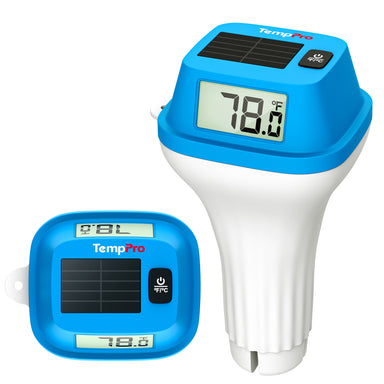
Learn more about TempPro TP111 Solar Pool Thermometer
Wireless Pool Thermometers
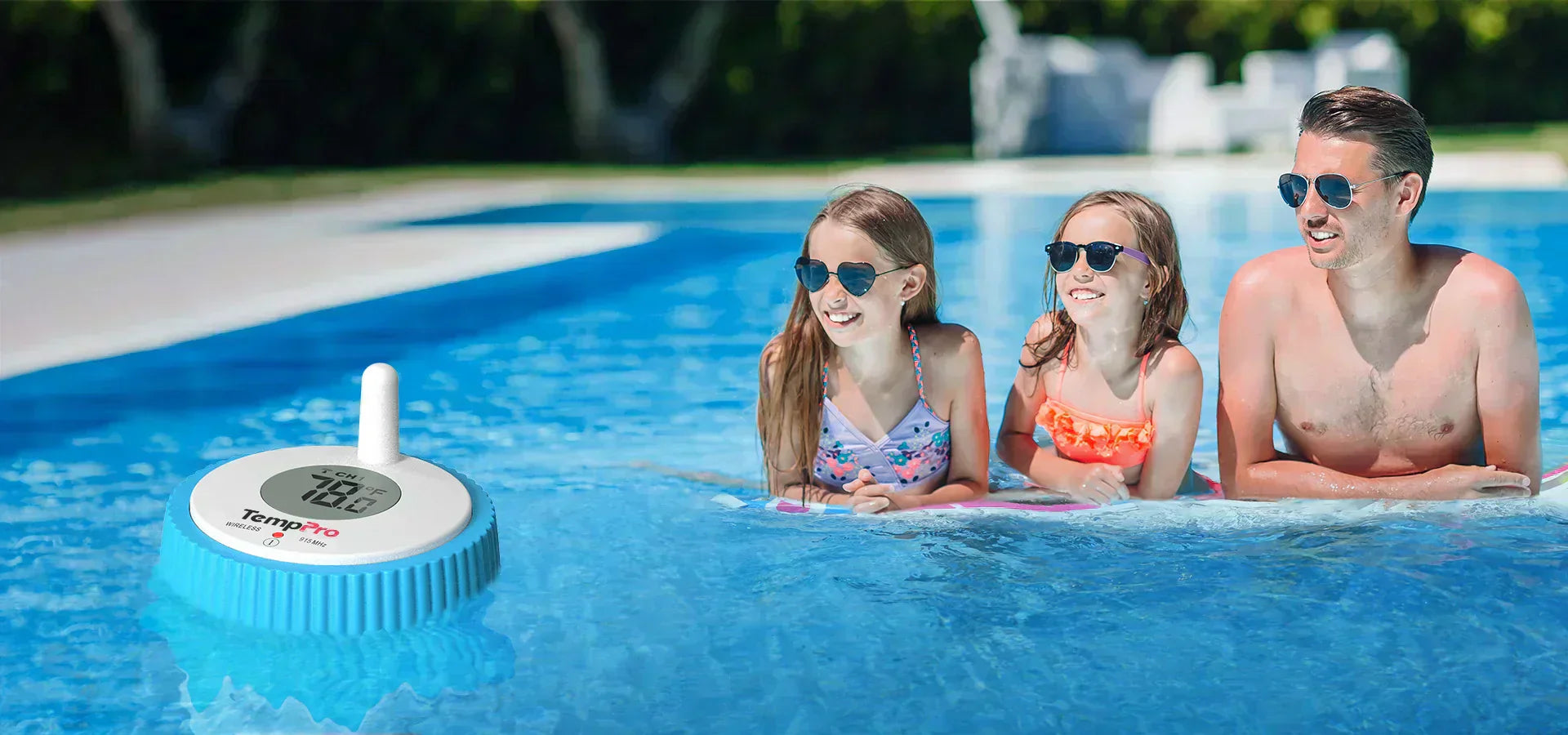
Wireless pool thermometers offer the ultimate modern convenience by solving the biggest complaint of traditional setups: having to go outside just to check the water. These systems consist of a floating sensor placed in the pool that transmits real-time data back to an indoor receiver display or straight to your personal smartphone.
- Pros: Check your pool's temperature from your kitchen, living room, or bed. Premium wireless models boast impressive transmission ranges up to 500 feet, store historical temperature trends, and allow you to set smart alerts if the water gets too hot or too cold.
- Cons: They carry a higher initial price point than simple analog floats and require batteries for both the transmitter and the indoor receiver.

What to Look for When Choosing a Swimming Pool Thermometer
To avoid buyer's remorse, look closely at these core specifications before making your first purchase:
Accuracy Tolerances:
Look for a thermometer with a verified margin of error no greater than 1℉. High precision protects your chemical balance and your wallet.
Robust Weatherproof Construction:
Your thermometer will live in a harsh environment, exposed to intense UV rays, freezing winter temperatures, and corrosive pool chemicals like chlorine and acid. Prioritize heavy-duty, UV-stabilized thermoplastics designed specifically for outdoor marine or pool applications to prevent cracking and leaking.
Screen Display and Visibility:
If buying an analog or basic digital model, ensure the numbers are large, high-contrast, and easy to read from a distance, even under direct, blinding sunlight.
Battery Life
For digital and wireless pool thermometers, battery life is crucial. Consider:
- Long-lasting batteries
- Low battery indicators
- Energy-efficient design
Some advanced models can last several months on a single set of batteries.
Looking for the Best Pool Thermometer? Here's Our Top Pick
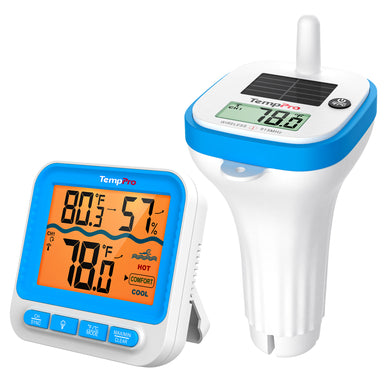
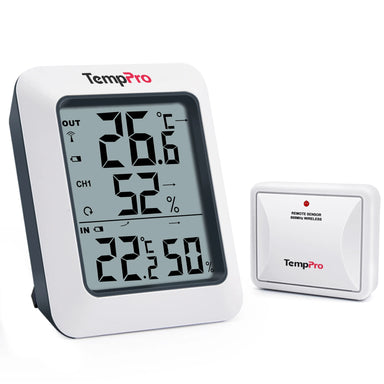
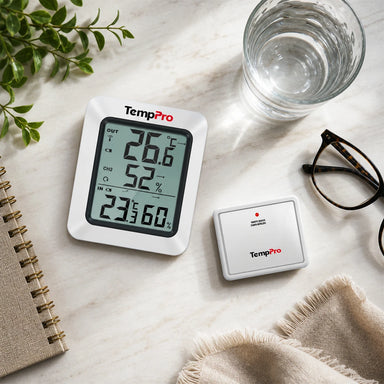
If you're looking for a reliable and easy-to-use option, the TempPro TP211B Wireless Pool Thermometer stands out as a top choice for homeowners who want accurate, real-time water temperature without the hassle.
This wireless pool thermometer is designed for convenience and precision. It features a floating sensor that transmits temperature data directly to a handheld indoor receiver, allowing you to monitor your pool temperature without stepping outside. Whether you're planning a swim or maintaining ideal water conditions, this device makes the process effortless.
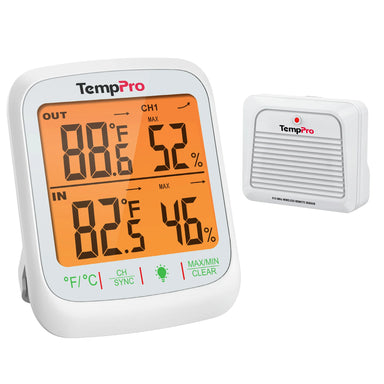
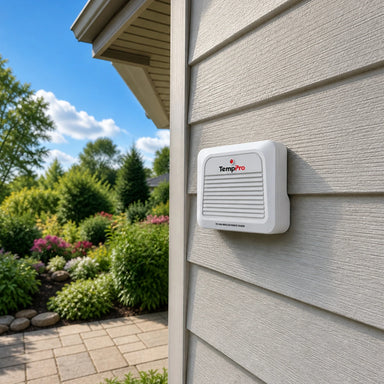
One of its biggest advantages is its strong wireless range, which ensures stable signal transmission even from a distance. The large, backlit display on the receiver makes it easy to read temperatures at a glance, day or night. Additionally, the pool thermometer is built with waterproof and durable materials, making it suitable for long-term outdoor use in various weather conditions.
Why the TempPro TP211B Stands Out:
- Industry-Leading Range: With a robust 500-foot wireless transmission range, this smart pool thermometer ensures you can monitor your pool temperature from virtually anywhere in your home. Whether you're in the basement, the upstairs bedroom, or the garage, you will have a clear signal.
- Excellent Accuracy: It boasts a highly respectable margin of error of just ±0.9°F. This precision allows you to dial in your heater for maximum comfort and efficiency.
- Built to Last: The sensor is crafted from tough waterproof thermoplastic designed to handle the harsh outdoor environment, including intense UV rays and heavy chemical exposure. It floats securely and is highly resistant to leakage and cracking.
- User-Friendly Display: The receiving unit features a large, backlit LCD screen that is incredibly easy to read, even in glaring sunlight or from across the room.
- Versatile Use: You can easily drop this remote pool thermometer into your spa, hot tub, or even a stock tank to keep tabs on the water temperature for different applications.

FAQs about Swimming Pool Thermometer
Keeping your pool water perfectly balanced comes with a bit of a learning curve, and it is completely normal to have questions about setting up, placing, and troubleshooting your new equipment. To help you maintain a flawless routine, we have gathered and answered the most common questions first-time pool owners ask about maximizing their pool thermometer’s lifespan and ensuring top-tier accuracy.
Q1: How often should I check my pool temperature in the summer?
If you use your pool casually on weekends, checking it once or twice a day, in the morning and late afternoon. However, if you have a heater running continuously to keep the water at a specific temperature for daily laps or kids' swim teams, you should check it more frequently, maybe every 4 to 6 hours. The external ambient temperature in July can rise and fall sharply, forcing your heater to work harder.
Q2. Can a digital pool thermometer be used in a hot tub or spa?
Many high-quality pool thermometers can cross over into hot tubs, but you must verify the device's maximum heat rating first. Hot tubs regularly reach temperatures up to 104°F (40°C). Lower-end plastic floating swimming pool thermometers or weak digital seals can warp, crack, or lose accuracy when subjected to sustained high heat and concentrated spa chemicals. Always ensure the product specifications explicitly list hot tub compatibility before dropping it in.
Q3. Are analog glass-and-liquid thermometers safe if they break in the pool?
Modern, high-quality analog pool thermometers no longer use toxic mercury; instead, they use a safe, dyed alcohol or organic liquid mixture. However, the glass casing itself poses a serious safety hazard to bare feet and pool liners if it shatters. If you have active kids or pets who play roughly in the pool, it is highly recommended to choose a shatterproof digital pool thermometer instead.
Q4. Can I leave my pool thermometer in the water all winter long?
It is best practice to remove your thermometer during the winterization process. Freezing ambient temperatures can cause ice to form on the pool surface, which can crush the plastic casing, destroy digital screens, or compromise the watertight seals. When closing your pool, dry your thermometer thoroughly, remove the batteries (for digital models), and store it indoors in a climate-controlled area.
Q5. Do I need to calibrate my digital pool thermometer?
Most reputable digital pool thermometers come factory-calibrated and do not require manual adjustments. However, you can test its accuracy by placing the sensor in a glass filled with a 50/50 mix of crushed ice and water (an ice bath sits at exactly 32°F / 0°C). If your pool thermometer reads within 1°F of that benchmark, your device is perfectly accurate and ready for the pool.
Q6. Where to place your swimming pool thermometer
Never place your pool thermometer directly next to a pool return jet, solar heating intake, or shallow steps. Water near heating elements or shallow sunlit steps will read artificially high. For the most accurate reflection of your pool's true average temperature, secure your swimming pool thermometer in a central, high-flow area away from direct chemical feeders, or let a wireless model drift freely across the deep end.
Final Thoughts
A swimming pool thermometer is a small investment that delivers big benefits. From improving comfort to reducing energy costs and maintaining water quality, it plays a vital role in pool care.
If you want simplicity, a floating analog thermometer may be enough. But for accuracy, convenience, and long-term reliability, a digital or wireless pool thermometer, like TempPro TP211B Wireless Pool Thermometer, is the better choice.
When selecting the best swimming pool thermometer, focus on accuracy, durability, ease of use, and range. By choosing wisely, you’ll enjoy a more comfortable, efficient, and worry-free swimming experience all season long.


Comments
You May Also Like
How to Host a Summer BBQ Pool Party
Do You Really Need a Pool Thermometer?

The Shocking Truth About Pool Temperatures—What You Don't Know Could Hurt You!


Recommended Products