What's the Best Pool Temperature for Babies, Kids & Seniors?


 288 Comments


There is no single best pool temperature for everyone. The ideal water temperature depends on age, activity level, swim duration, and personal comfort. Babies and toddlers generally need warmer water, while adults doing vigorous exercise may prefer cooler temperatures. For typical recreational swimming, the CDC identifies 83-86°F as a comfortable range, while specific activities and age groups may require adjustments.
As a mom, ensuring your family’s safety and comfort in the pool is a top priority. Whether you’re enjoying a fun swim session with your little ones or creating a relaxing experience for older family members, maintaining the right pool temperature is essential. But what exactly is the ideal pool temperature for babies, kids, and seniors? Let’s dive into the details to help you keep your pool both comfortable and safe for the whole family.
Table of Contents
Why Pool Temperature Matters for Families
The right water temperature is not just about comfort, but it directly affects safety, health, and enjoyment. Water that’s too cold can lead to hypothermia, muscle cramps, and discomfort, while water that’s too warm may cause overheating and fatigue. By maintaining the right temperature, you create a safer and more enjoyable swimming environment for all ages.
Ideal Pool Temperatures by Age and Activity
Babies & Toddlers (6 Months-3 Years): 87-94°F
Babies and toddlers generally need warmer water than older children and adults because young children are more vulnerable to losing body heat. The American Academy of Pediatrics (AAP) recommends that swim and water-safety classes for children age 3 and younger be held in water heated to 87-94°F.
For a home pool, this range can serve as a useful reference when young children are swimming, but it should not be treated as a universal safety requirement for every situation. Water temperature, swim duration, air temperature, and the child's comfort all matter. Parents should also provide close supervision whenever infants or toddlers are in or around the water.
Tips for Baby’s First Swim:
- Test the water first. Use a reliable pool thermometer to check the temperature before dipping your baby in. Their comfort and safety come first!
- Keep swim sessions short. Babies can get cold quickly, so limit pool time to 10-15 minutes.
- Use a baby wetsuit. If your pool is slightly cooler, a wetsuit can help keep your little one warm.
- Watch for signs of discomfort. If your child starts shivering or their lips turn blue, it’s time to get out and warm up.

Children (4-12 Years): Around 82-86°F
Older children can generally tolerate cooler water than babies and toddlers. For recreational swimming, the low to mid-80s°F can be a comfortable starting point, although the ideal temperature depends on how actively children are swimming and how long they stay in the water.
The CDC's Model Aquatic Health Code (MAHC) lists 82°F as a suggested temperature for children's swim lessons, while noting that the appropriate temperature varies with age and class length. The same CDC guidance says 83-86°F is the most comfortable range for typical recreational water use.
For children who are actively swimming, playing, or taking lessons, a pool around 82-86°F may provide a good balance between comfort and activity. Younger children or children who spend long periods in the water may prefer warmer temperatures.
Tips for Keeping Kids Comfortable:
- Layer up after swimming. Have warm towels and dry clothes ready for when they get out of the pool.
- Encourage movement. The more active they are, the warmer they’ll feel. Games like Marco Polo or pool races are perfect for keeping them moving.
- Monitor their time in the water. Even if they’re having fun, kids can get tired and cold without realizing it. Take breaks every 30 minutes to warm up.
- Be aware of the wind chill. For outdoor pools, be mindful of wind chill, which can make water feel colder than it is.

Adults: Around 78-86°F
For most adults, there isn't one specific temperature that works for every type of swimming. 78-86°F is a useful general range, but the ideal temperature depends heavily on activity level.
The CDC's MAHC states that water temperatures of 79-86°F are comfortable for most swimmers during prolonged periods of moderate physical activity, while 83-86°F is particularly comfortable for typical recreational water use.
U.S. Masters Swimming similarly notes that 78-86°F is generally comfortable and safe for moderate physical activity. It also reports that multi-purpose pools used for lap swimming, recreation, and water fitness are typically maintained around 83-86°F, while competition pools are cooler, generally 77-82°F.
This means someone doing vigorous lap swimming may prefer cooler water, while someone relaxing, playing with family, or participating in lower-intensity water activities may be more comfortable in the low-to-mid 80s.

Seniors (65+): Around the Mid-80s°F
Older adults may find slightly warmer pool water more comfortable, particularly when swimming at a slower pace or participating in water-based exercise. However, there is no major U.S. health organization that establishes a specific “best pool temperature” such as 86-90°F for all seniors.
For that reason, I would avoid presenting 86-90°F as an official recommendation. Instead, the mid-80s°F can be presented as a practical comfort range, with the understanding that individual preferences and health conditions vary.
For general recreational swimming, the CDC identifies 83-86°F as the most comfortable range for typical recreational water use. Seniors participating in more active exercise may prefer the cooler end of this range, while those doing gentle water exercise may prefer warmer water.
People with certain health conditions should also consider their healthcare provider's advice when choosing water temperatures. Very warm water can place additional stress on the body, particularly during exercise.
Tips for Senior Swimmers:
- Warm up before swimming. Gentle stretches or a warm shower can help prepare their muscles for the water.
- Use a pool thermometer. Seniors are more prone to temperature-related issues, so always check the water before they get in.
- Stay hydrated. Warmer water can cause dehydration, so remind them to drink plenty of fluids before and after swimming.
- Consider a heated pool. If you’re planning to swim outdoors, a heated pool is a great option to ensure the water stays at a comfortable temperature.
- Ensure Safety. Always have handrails and easy entry/exit points to ensure safety.
How to Maintain the Ideal Pool Temperature
Now that you know the perfect temps for swimming pool for your family, here are some tips to maintain consistent water temperature:
Use a Reliable Pool Thermometer to Monitor Water Temperature
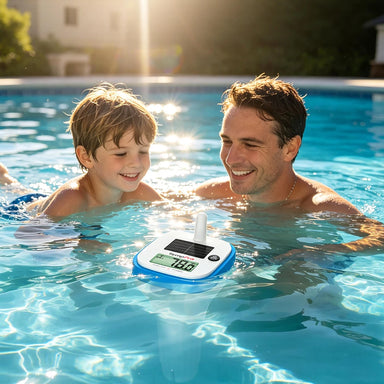
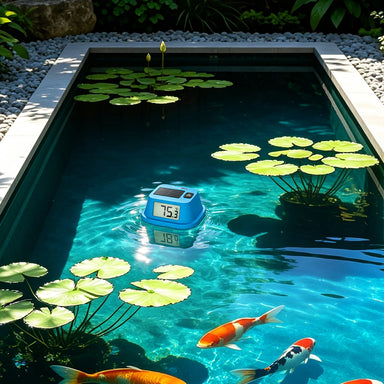
Invest in a high-quality pool thermometer to check the water temperature before every swim. Digital and wireless models offer real-time readings and alerts if the temperature falls outside the recommended range.
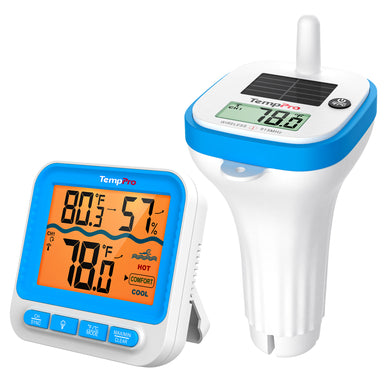
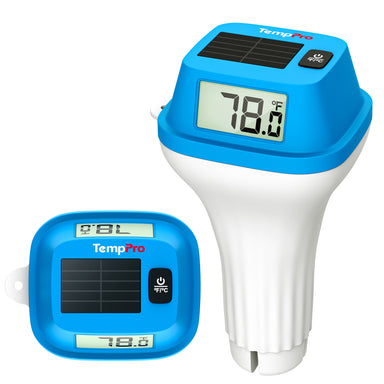
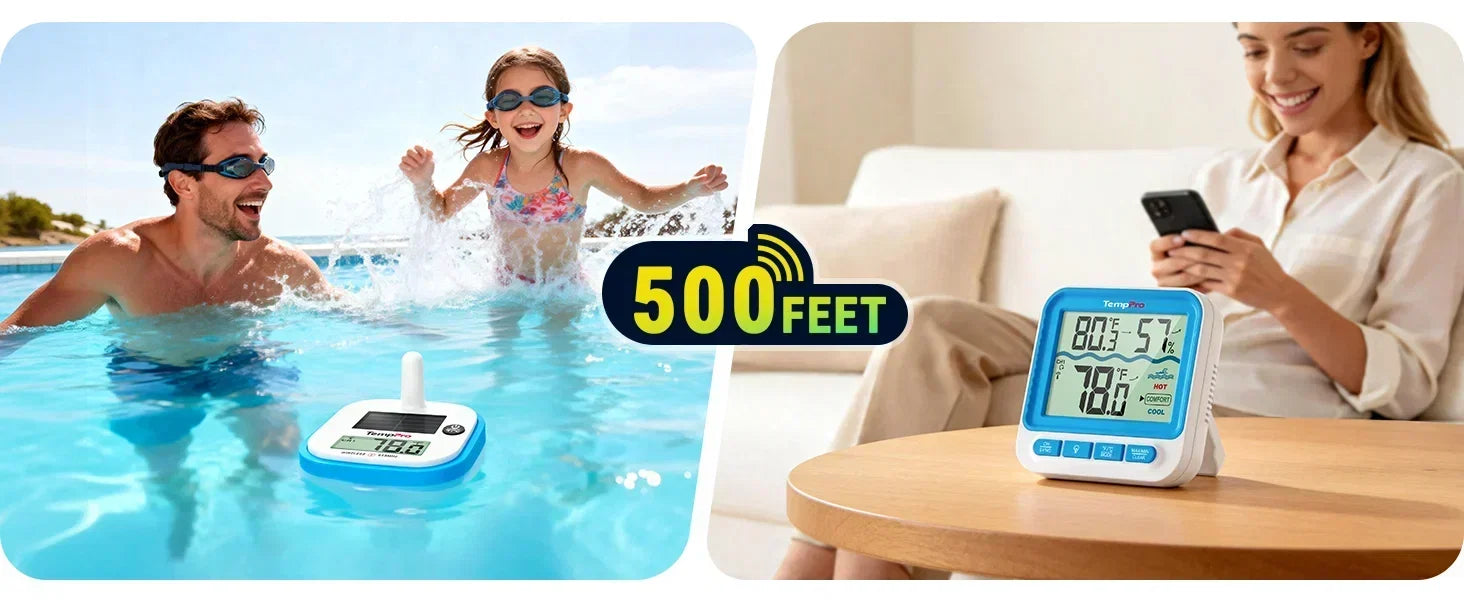
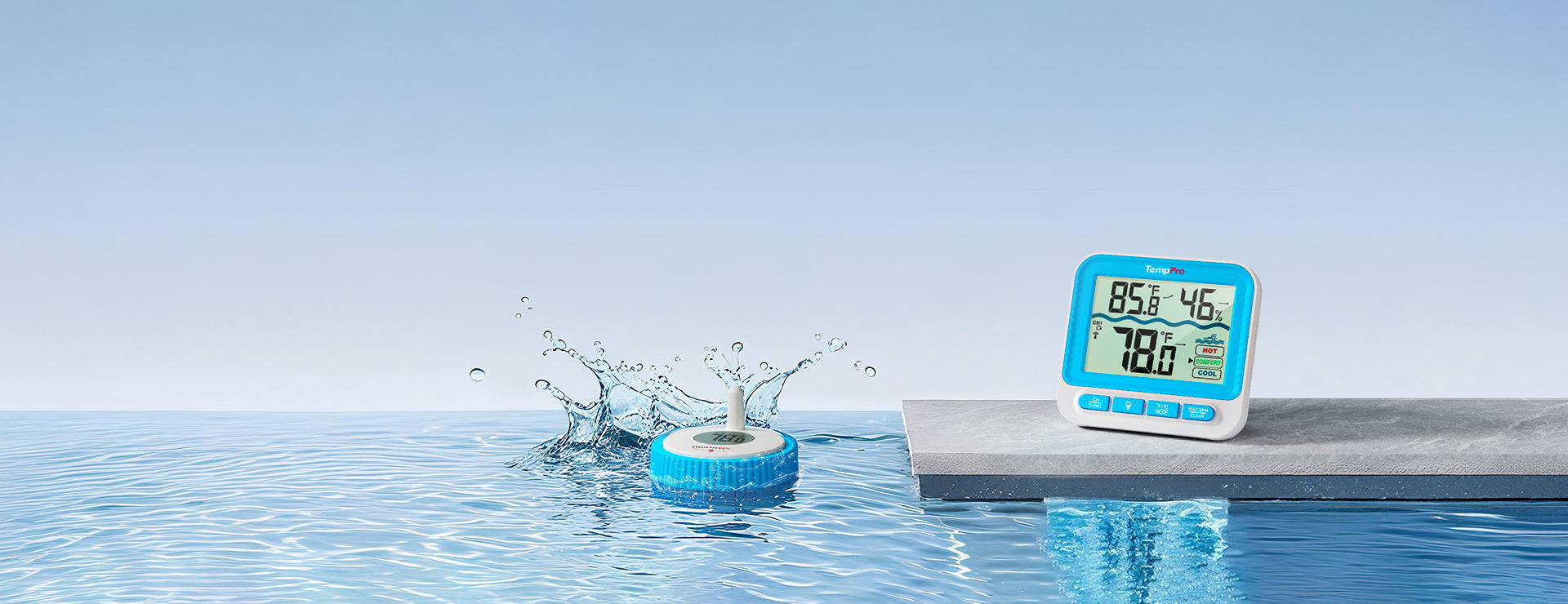
The TempPro TempAir PLUS TP211B Digital Wireless Pool Thermometer is the ultimate solution for keeping your pool water at the perfect temperature year-round. Designed with advanced wireless technology and a user-friendly interface, this pool thermometer ensures you always have accurate, real-time temperature readings from up to 500 feet away, eliminating the need for constant manual checks. Whether you’re monitoring a backyard pool, hot tub, or spa, the TP211B delivers precise readings and unmatched convenience for families who value comfort and safety.

Consider a Pool Heater
If you live in a cooler climate or want to extend the swimming season, a solar, gas, or electric pool heater can help maintain a comfortable temperature year-round.
Use a Solar Pool Cover
A solar cover helps retain heat, reduces evaporation, and keeps the pool at a stable temperature. It’s a cost-effective way to maintain warmth without relying solely on a heater.
Monitor Outdoor Conditions
Factors like wind, humidity, and air temperature affect pool water temperature. Keep an eye on the weather and adjust your heating or cover usage accordingly.
FAQs about Best Pool Temperture for Babies, Kids & Seniors
The best pool temperature depends on who is swimming and what they are doing in the water. While the low to mid-80s°F is generally comfortable for recreational swimming, different activities and age groups may call for different temperatures. The FAQs below answer common questions about pool temperature, including what may feel too cold or too warm and how activity level affects the ideal water temperature.
What temperature is too cold for a pool?
A pool below 78°F may feel too cold for many recreational swimmers, although active swimmers may be comfortable in cooler water. The ideal temperature depends on activity level, swim duration, and personal tolerance. For typical recreational use, the CDC identifies 83–86°F as a comfortable range.
What temperature is too warm for a pool?
Water above the mid-80s°F may feel too warm for vigorous swimming because your body has less opportunity to release heat into the water. However, warmer water may be appropriate for certain activities, such as swimming lessons for very young children or low-intensity water exercise.
Is 85°F a good pool temperature?
Yes. 85°F is within the CDC's 83–86°F range for typical recreational water use, making it a practical temperature for a family pool. It can provide a comfortable balance for adults and children, although babies and toddlers may need warmer water.
Is 80°F a comfortable pool temperature?
80°F can be comfortable for active swimming, but it may feel cool for casual swimming. Cooler water is often preferred for vigorous exercise because it helps the body dissipate heat. For general recreational use, the CDC identifies 83–86°F as a more comfortable range.
What pool temperature is best for swimming lessons?
The appropriate temperature depends on the swimmer's age. For children age 3 and younger, the American Academy of Pediatrics says swim and water-safety classes should ideally be held in water heated to 87–94°F. The CDC's Model Aquatic Health Code lists 82°F as a suggested temperature for children's swim lessons and notes that it can vary with age and class length.
What pool temperature is best for water aerobics?
Water aerobics and other water-based exercise may require a different temperature from recreational swimming. The ideal temperature depends on exercise intensity, with more vigorous activity generally being more comfortable in cooler water. Older adults doing lower-intensity water exercise may prefer somewhat warmer water.
Final Thoughts
Maintaining the ideal temperature for a swimming pool for babies, kids, and seniors ensures a safe, comfortable, and enjoyable swimming experience for your family. By using a pool thermometer, like TempPro TP211B Digital Wireless 500-ft Pool Thermometer, monitoring outdoor conditions, and considering heating options, you can create the perfect environment for everyone.

Whether you’re introducing your baby to their first swim, keeping your kids active in the pool, or providing a soothing experience for elderly family members, the right water temperature makes all the difference.
Now it’s time to check your pool temperature and make sure it’s just right for your loved ones!


Comments
Recommended Products