How to Check Temperature of Refrigerator


 288 Comments


Most people believe that as long as their refrigerator feels cold, their food is safe to eat. It's a very common assumption, but unfortunately, it's not always correct. In reality, refrigerators can often run at temperatures that are slightly too warm or too cold without you noticing. These small differences can have a big impact. Food can spoil faster, bacteria can grow silently, and in some cases, you might even risk foodborne illness.
That's why understanding how to check temperature of refrigerator correctly is essential for every household. Whether you live alone, cook regularly, or store groceries for your family, knowing your fridge's actual temperature gives you control over food safety. In this complete guide, we'll walk through everything you need to know, including how to check fridge temperature, what the correct temperature should be, and the most effective ways to monitor it over time.
Why You Need to Monitor Your Refrigerator Temperature
Many people never think about checking their fridge temperature unless something goes wrong. However, by the time you notice spoiled milk or strange food smells, the problem has already been there for a while. Understanding how to check refrigerator temperature helps you prevent these issues before they happen.
Food Safety Is the Main Reason
Bacteria grow rapidly in what experts call the "danger zone," which is between 40°F and 140°F. If your refrigerator rises above 40°F, even occasionally it creates an environment where harmful bacteria can multiply quickly.
This is especially important for foods like raw meat, dairy products, and leftovers. Without properly monitoring your fridge, you may not realize that these foods are being stored at unsafe temperatures. By learning how to check temperature inside refrigerator, you ensure that your food stays within a safe range at all times.
It Helps You Save Money
Food waste is a hidden cost that many households overlook. When your fridge temperature is slightly off, food may spoil earlier than expected. This means you end up throwing away groceries more often, even if they look fine at first.
On the other hand, if your fridge is too cold, fruits and vegetables may freeze and lose their texture and flavor. Knowing how to check temp in refrigerator allows you to maintain the right balance, keeping your food fresh for as long as possible.
Your Fridge Settings Are Not Always Reliable
Most refrigerators use simple dial controls or basic digital displays. However, these settings don't always reflect the actual temperature inside the fridge.
For example, a setting of "3" or "medium" doesn't correspond to a specific temperature. Even digital displays may only show an average value rather than real-time conditions. That's why it's important to check refrigerator temperature using a reliable method instead of relying on guesswork.
What Is the Ideal Refrigerator and Freezer Temperature?
Before you learn how to test refrigerator temperature, it's important to understand what temperature you should be aiming for. For most households, the recommended ranges are:
- Refrigerator: 35°F to 38°F (1.7°C to 3.3°C)
- Freezer: 0°F (-18°C)
These ranges are ideal because they keep food cold enough to slow bacterial growth without freezing items that should remain fresh.
If your fridge goes above this range, food safety becomes a concern. If it drops too low, you may notice items freezing unexpectedly.
It's equally important to check freezer temperature regularly. Many people focus only on the fridge section and forget that the freezer also needs to stay within a precise range to preserve food quality.
Signs Your Fridge Temperature Might Be Wrong
Sometimes your fridge gives warning signs. If you notice any of the following, it's time to check refrigerator temperature:
- Milk spoils quickly
- Food feels warmer than usual
- Ice cream becomes soft
- Vegetables freeze in the fridge section
- Condensation or frost buildup
These are clear signals that you need to check fridge temperature and possibly adjust settings.
5 Practical Methods to Check Refrigerator Temperature
There are four useful ways to tell you how to check fridge temperature, ranging from simple DIY methods to more accurate tools.
Use Built-In Temperature Displays
Some modern refrigerators come with digital displays that show the internal temperature. This can be a convenient way to quickly check fridge temperature.
However, it's important to understand their limitations. These displays often show an average temperature rather than the exact temperature in different parts of the fridge. Because of this, they should be used as a reference rather than a final measurement. For more accuracy, it's a good idea to use a separate thermometer to check fridge temperature.
Water Glass Test
Pour a glass of tap water. Place it on the middle shelf for at least 6 hours, overnight is better. Then touch the water. If it feels very cold, almost painful to keep your finger in, probably below 40°F. If it only feels "cool" like a swimming pool, your fridge is too warm. Also look for heavy condensation on the outside of the glass. No condensation means the fridge isn't working hard enough.
Milk Carton Test
Take an unopened carton of milk. Put it in the fridge for 24 hours. Then touch the carton at the top, middle, and bottom. If it feels uniformly cold everywhere, that's a good sign. If the top is cold but the bottom is noticeably warmer, your fridge has poor air circulation or a failing compressor.
"Spoils Before Expiration" Test
This is not a quick test, but it's honest. If your milk, eggs, or lunch meat consistently go bad two or three days before the "sell by" date, your fridge is almost certainly too warm. Keep a mental log. If you notice a pattern, you need to lower the temperature or call a repair person.
None of these three tests above tell you the exact number. A fridge at 41°F feels almost the same as a fridge at 38°F, but that 3-degree difference is critical for safety. So use these methods only as a warning sign. The best and safest way is always to buy a cheap thermometer.
Use a Refrigerator Thermometer (Most Accurate)
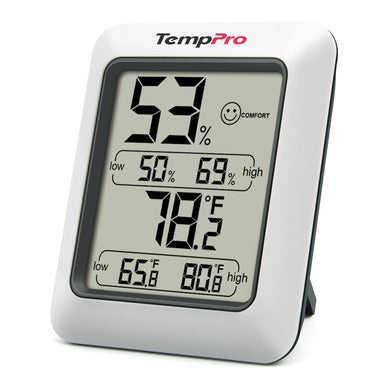
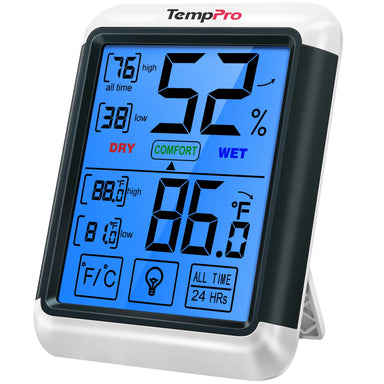
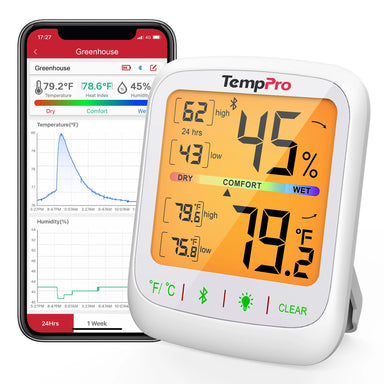
The most reliable way to measure refrigerator temperature is by using a Refrigerator Thermometers. A popular option is the TempPro TP110 Refrigerator Thermometer, which is designed specifically for this purpose. What makes this type of fridge temperature checker so effective is its simplicity and accuracy. You can place it directly inside your fridge without any setup, and it will continuously display the internal temperature.
One of the most useful features is the ability to track maximum and minimum temperatures over time. This allows you to see not just the current reading, but also how the temperature changes throughout the day, especially when the door is opened frequently.

This method is ideal for anyone who wants a dependable way to check refrigerator temperature without guesswork.
Where to Place a Thermometer in Your Fridge
Knowing how to check temp in fridge isn't just about the tool—it's also about placement.
Best Placement Tips:
- Put it in the center shelf
- Avoid placing it near the door
- Keep it away from vents
For better accuracy, you can even use two devices to check temperature inside refrigerator in different areas.
FAQs about Measuring Refrigerator Temperature
Q1. What is the best way to check refrigerator temperature?
The best way to check refrigerator temperature is by using a dedicated refrigerator thermometer. This is the most accurate and reliable method because it gives you real-time readings of the actual temperature inside your fridge.
Unlike built-in dials or displays, a digital refrigerator thermometer allows you to monitor fluctuations throughout the day. If you want consistent and precise results, using a thermometer to check refrigerator temperature is highly recommended.

Q2. How do I know if my fridge is cold enough?
To know if your fridge is cold enough, you need to check fridge temperature and make sure it stays between 35°F and 38°F (1.7°C to 3.3°C). If your fridge temperature goes above 40°F, your food may not be safe. Signs like spoiled milk, soft food, or unusual odors may also indicate that your fridge is not cold enough. The most reliable way to confirm this is to check temperature inside refrigerator using a refrigerator thermometer.
Q3. How to check freezer temperature correctly?
To check freezer temperature, place a thermometer between frozen items and leave it there for several hours. This allows the reading to stabilize and reflect the actual internal temperature. Your freezer should stay at 0°F (-18°C). If it rises above this level, frozen food may begin to lose quality or become unsafe over time.
Regularly check freezer temp to make sure your freezer is working properly.
Q4. How often should I check my refrigerator temperature?
You should check refrigerator temperature regularly to ensure food safety.
- For a new fridge: check daily for the first few days
- For normal use: check once or twice a week
- After power outages: check immediately
Monitoring your fridge regularly helps you catch problems early and maintain a safe storage environment.
Q5. Can I trust my fridge's built-in temperature display?
Built-in displays can give you a general idea, but they are not always accurate. They often show an average temperature instead of real-time conditions in different parts of the fridge. That's why we recommend using a separate fridge temperature checker or thermometer, like TempPro TP110 Refrigerator Thermometer for more reliable results.
Q6. Where should I place a thermometer in my refrigerator?
To get accurate readings, place your thermometer in the center shelf of your fridge. This area usually reflects the most stable temperature. Avoid placing it near the door or vents, as these spots experience frequent temperature changes. Proper placement is essential when learning how to check temp in fridge effectively.

Q7. Why is my fridge temperature inconsistent?
If your readings keep changing when you check fridge temperature, there could be several reasons:
- Frequent door opening
- Overloading the fridge
- Poor airflow
- Faulty seals or aging components
Using a fridge thermometer that tracks minimum and maximum values can help you better understand these fluctuations.
Q8. What happens if my fridge is too cold?
If your fridge is too cold, food may freeze unexpectedly. This often affects fruits, vegetables, and drinks. If you notice ice forming in the fridge section, it's a sign that you should check temp in refrigerator and adjust the settings accordingly.
Q9. Do I really need a refrigerator thermometer?
While not mandatory, using a refrigerator thermometer is one of the easiest ways to ensure food safety. If you want a simple and reliable way to check temperature of refrigerator, a thermometer provides peace of mind and helps you avoid costly mistakes.
Final Thoughts
Learning how to check refrigerator temperature is one of the simplest ways to improve food safety at home. It doesn't require expensive equipment or technical knowledge, just a little awareness and the right method. Whether you choose a simple DIY approach or use a dedicated fridge temperature checker, like TempPro TP110 Refrigerator Thermometer, the goal is to keep your food safe and your fridge working properly.


Comments


Recommended Products