Swimming Pool Thermometer: A Smart Way to Monitor Water Temp


 288 Comments


A thermometer can make almost any hobby easier, and pool ownership is no exception. Instead of guessing whether the water is comfortable, you can check the exact temperature in seconds and make better decisions about heating, maintenance, and when to swim.
While basic floating pool thermometers can do the job, many inexpensive models fade after prolonged sun exposure, making the numbers difficult to read. As a result, many pool owners end up checking the water with their hand or foot instead of relying on the thermometer.
Fortunately, newer wireless swimming pool thermometers offer a better alternative. Although many of these devices are marketed for grilling, their accurate temperature sensors and wireless monitoring capabilities also make them surprisingly useful for pools, hot tubs, and spas. Keeping an open mind about different varieties may help you discover wireless pool thermometers that work even better than traditional pool thermometers.
Why a Swimming Pool Thermometer Is Actually Useful
Pool temperature affects more than just comfort. Water that's too cold discourages swimming, while water that's too warm can reduce chlorine effectiveness and encourage faster algae growth.
Knowing the exact water temperature helps you use your pool heater more efficiently, protect pool equipment from unnecessary strain, and avoid unpleasant surprises, like hosting a pool party when the water is still too cold or paying a higher-than-necessary electric bill.
If you also own a hot tub or spa, accurate temperature readings become even more important. What seems to be only a few degrees difference might be the reason for either relaxing bathing or feeling the water flat and overbearing. This is where traditional floating thermometers often fall short, causing many owners to stop using them altogether.
What to Look For in a Good Swimming Pool Thermometer
Not every thermometer on the market is worth the money. The following factors will help you distinguish a high-quality thermometer from a poor-quality one:
- Accuracy within 1-2°F compared to a reliable reference thermometer.
- Durable waterproof casing which can resist chlorine and sunlight exposure.
- Clear numbers which can be read easily.
- Remote reading capabilities so the thermometer can be read without going outdoors for each measurement.
- A battery which lasts the entire season of use.
Most traditional pool thermometers require you to walk outside and read the display manually.
What Is the Ideal Swimming Pool Temperature?
The appropriate temperature for a swimming pool varies according to how the pool is intended to be used. For casual swimming, 78 to 82 degrees Fahrenheit (26 to 28 degrees Celsius) is typically regarded as comfortable. Young children and senior citizens, however, usually benefit more from a warmer temperature, while competitive swimmers usually prefer cooler water temperatures for training.
The ideal water temperature for hot tubs and spas, on the other hand, is usually higher, as it may reach 100 to 104 degrees Fahrenheit (38 to 40 degrees Celsius), depending on personal preference. Therefore, constantly checking the water temperature is very important for enjoying the pool or spa.
Instead of relying on estimation or intuition, it's best to use a reliable pool thermometer. While some pool thermometers require you to check the water manually, many modern wireless models let you monitor the temperature from inside your home.
A Smarter Way to Monitor Your Pool
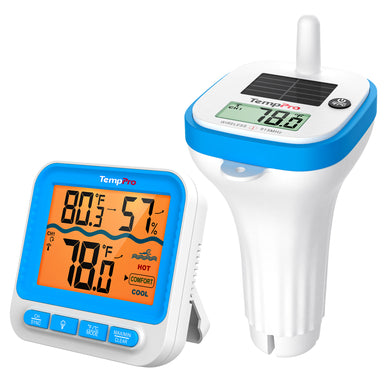
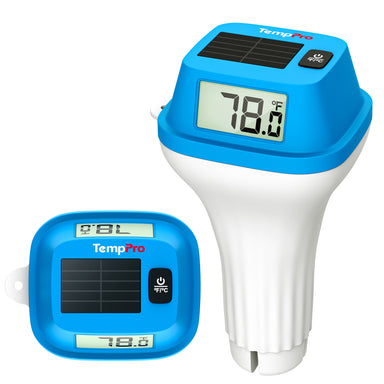
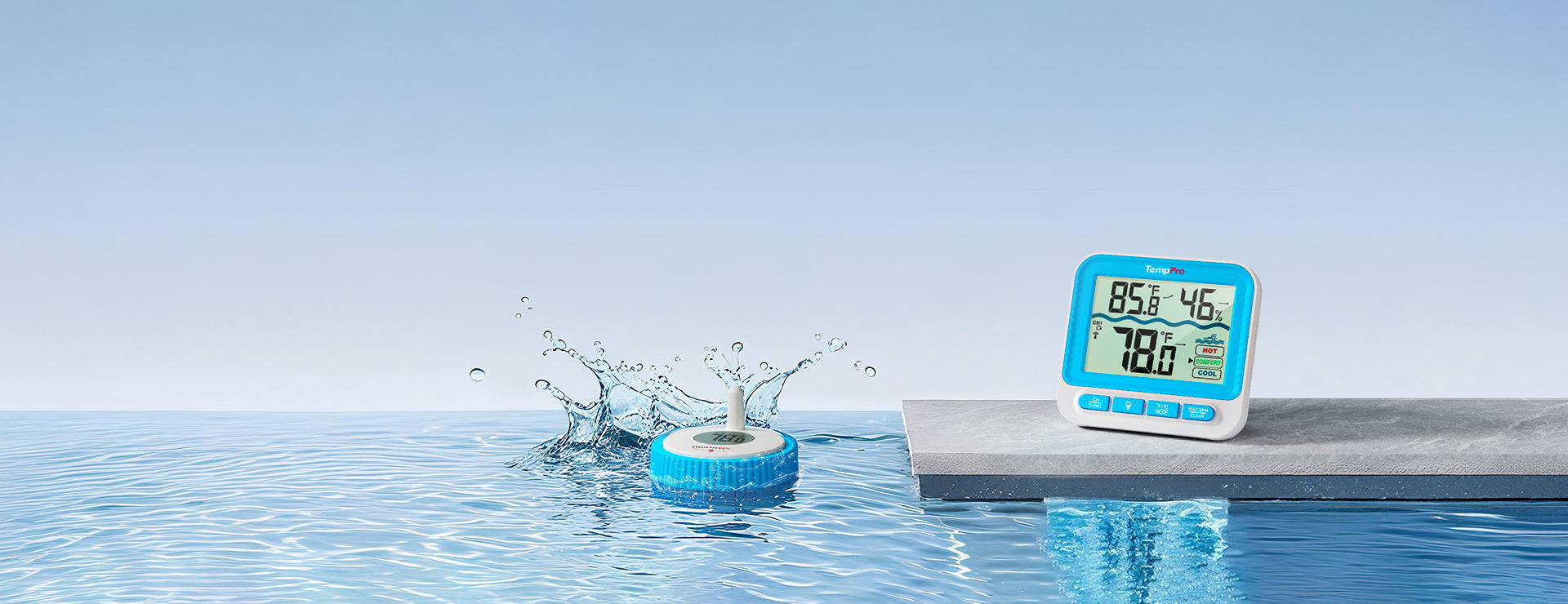
This is the moment when the TempPro TP211B Wireless Pool Thermometer plays its role. It is designed to make monitoring your pool temperature effortless and accurate. Whether you're preparing for a relaxing swim or maintaining the ideal water conditions for your family, this wireless pool thermometer delivers real-time readings without the need to step outside. Built for convenience and reliability, it helps ensure your pool is always at the perfect temperature.
Key Features:
- Wireless Remote Monitoring: Check your pool temperature from indoors with a stable 500ft wireless connection, no need to walk outside.
- Accurate Temperature Readings: Provides precise, real-time data so you always know when your pool is ready for swimming.
- Easy-to-Read Display: Large, clear screen shows temperature at a glance, making it user-friendly for all ages.
- Floating Waterproof Sensor: Durable, waterproof design ensures consistent performance while floating in your pool.
- Wide Temperature Range: Suitable for various environments, from swimming pools to hot tubs and spas.
- Hassle-Free Setup: Simple installation and pairing allow you to start monitoring in minutes.

Common Mistakes That Lead to Inaccurate Pool Temperature Readings
Even the best pool thermometer can give inaccurate readings if it's not used correctly. Avoid placing it too close to a return jet, as the moving water can affect the temperature reading. It's also important to let the pool thermometer float for a few minutes before checking the temperature so it has time to adjust.
Direct sunlight can heat the thermometer itself, resulting in readings that are higher than the actual water temperature. For the most accurate results, take readings in a shaded area whenever possible.
Try to check your pool at around the same time each day, especially if you're tracking temperature changes. If checking the pool manually every time becomes inconvenient, a wireless pool thermometer lets you monitor the water temperature remotely from inside your home.
FAQs About Pool Temperature & Thermometers
Q1: How often should I calibrate or check the accuracy of my pool thermometer?
It is good practice to test your pool thermometer once at the beginning of each swimming season. You can easily check its accuracy by placing the sensor in a glass of ice water (which should read close to 32°F / 0°C) or comparing its reading against a calibrated kitchen thermometer. If the reading is within 1–2°F, your device is performing correctly.
Q2: How often should I check my pool temperature?
It's best to check your pool temperature at least once a day, especially during summer when temperatures can fluctuate quickly. If you're using your pool frequently or hosting guests, checking in the morning and afternoon gives you a better understanding of how the water changes throughout the day. A wireless thermometer makes this much easier since you can monitor it anytime without going outside.
Q3: What is the most comfortable pool temperature for swimming?
For most people, a pool temperature between 78°F and 82°F feels comfortable. However, this can vary depending on personal preference and activity. Families with kids or elderly swimmers often prefer slightly warmer water (around 82-86°F), while more active swimmers may enjoy cooler temperatures. Having an accurate thermometer helps you maintain the perfect balance.

Q4: Why does my pool feel warmer or colder than the thermometer reading?
This is a common experience and usually comes down to perception. Factors like air temperature, sunlight, wind, and even your body temperature can affect how the water feels. For example, on a hot day, the water may feel cooler than it actually is. That's why relying on a precise thermometer reading is much more accurate than guessing.
Q5: Where should I place my pool thermometer for accurate readings?
For the best results, place your pool thermometer away from return jets, skimmers, or pool edges. These areas can have moving water or temperature variations that may affect the reading. Let the pool thermometer float freely in a shaded or neutral area of the pool for a few minutes before checking the temperature.
Q6: Can I leave my pool thermometer in the water all the time?
Yes, most pool thermometers are designed for continuous use. However, it's important to choose a model with a durable, waterproof design that can withstand chlorine, UV exposure, and changing weather conditions. High-quality wireless thermometers are especially suitable for long-term use.
Q7: Is a wireless pool thermometer really worth it?
A: For many pool owners, the answer is yes. A wireless thermometer adds convenience by allowing you to check the temperature from inside your home. This is especially useful early in the morning, at night, or during bad weather. It also encourages more frequent monitoring, which leads to better pool maintenance and more consistent comfort.
Q8: How does pool temperature affect chemicals like chlorine?
Water temperature plays a big role in how pool chemicals perform. Warmer water can cause chlorine to dissipate faster, reducing its effectiveness and potentially leading to algae growth. Cooler water helps maintain chemical balance but may not be as comfortable for swimming. Monitoring temperature helps you adjust your chemical levels more effectively.
Q9: How can I keep my pool temperature consistent?
Maintaining a stable pool temperature involves several factors:
- Using a pool cover to reduce heat loss at night
- Running your heater only when needed
- Monitoring daily temperature changes
- Minimizing wind exposure if possible
A reliable thermometer is essential for tracking these changes and making adjustments before temperatures become uncomfortable.
Q10: Does water temperature affect how much pool shock or chlorine I need to add?
Absolutely. As water temperature rises above 80°F (27°C), bacteria and algae reproduce much faster, and sunlight rapidly breaks down free chlorine. Warmer water requires more frequent testing and higher chlorine maintenance to keep the pool clear. Monitoring water temperature helps you anticipate chemical demand before water turns cloudy.
Q11: Can I use a wireless pool thermometer in a hot tub or sauna?
Yes, provided the thermometer's operating range supports temperatures up to at least 104°F-110°F (40°C-43°C). Most wireless pool thermometers, like TempPro TP211B, are built to handle both cold pool water and hot spa environments. Always check the manufacturer's maximum temperature rating before placing the sensor in hot water to avoid damaging the internal electronics.
Q12: How can I prevent moisture or condensation from leaking into the battery compartment?
Water leaks are almost always caused by improper battery compartment seals. Every time you change the batteries, inspect the rubber O-ring or silicone seal for dirt, hair, or cracking. Wipe the seal clean, ensure it sits completely flat in its groove, and tighten the battery cover evenly to create a completely watertight seal.
The Bottom Line
A swimming pool thermometer doesn't need to be complicated, but it just needs to be accurate, reliable, and easy to use. The TempPro TP211B Wireless Pool Thermometer checks all those boxes while offering the added benefit of wireless monitoring and precise temperature readings. Whether you're buying it for your own backyard or as a gift for someone who loves swimming, it's a practical tool that delivers reliable performance year-round.


Comments
You May Also Like
TempPro TP211B vs TP212 vs TP111: Best Pool Thermometer?
Do You Really Need a Pool Thermometer?

The Shocking Truth About Pool Temperatures—What You Don't Know Could Hurt You!


Recommended Products