What Is Considered Low Humidity in a House? How to Fix It


 288 Comments


As a parent or caregiver, you do everything you can to create a safe, warm, and healthy nest for your family. You monitor their nutrition, ensure they get enough sleep, and keep the house clean. But there is a critical component of your indoor environment that often goes unnoticed until it starts causing problems: humidity.
We often think about humidity during sticky summer months, but the opposite problem, low humidity in house environments, is just as common and can be even more detrimental to your family's health and your home's structure. This is especially true during the cold winter months or in arid climates.
So, how do you know if your home's air is too dry? What is considered low humidity, and why should you care? This comprehensive guide will explore everything you need to know about dry indoor air, how it affects your loved ones, and the most effective ways to restore balance and comfort.
What Is Low Humidity in a House?
Humidity refers to how much moisture is present in the air. In indoor environments, relative humidity (RH) is the key measure, which shows the percentage of water vapor in the air compared to how much it could hold at a certain temperature.
So, what is a low humidity level?
- The Ideal Zone: For optimal health and comfort, you should aim to keep your indoor relative humidity between 40% and 50%. Some experts extend this range to 60% in the summer, but 40-50% is the sweet spot for preventing both viruses and allergens.
- The Low Humidity Threshold: So, what is considered low humidity in a house? Generally, any reading below 30% is considered too low humidity in house.
- The Danger Zone: When the low humidity percentage drops below 30%, and especially if it falls toward 20% or lower, the air becomes uncomfortably and potentially dangerously dry.
Think of air like a sponge, it can hold more water when warm, but winter heating or dry climates strip away much of that moisture. That's when low home humidity becomes an issue.
What Does Low Humidity Mean for Your Home?
When your home suffers from humidity too low in house, it's not just about feeling a bit uncomfortable. The consequences can impact your family's health and your wallet.
Health Hazards for Your Family
Dry Mucous Membranes & Immunity: Your body's first line of defense against germs is the moist lining of your nose and throat. When you experience low humidity, these mucous membranes dry out, making it harder for your body to trap and expel viruses and bacteria. Experts warn that humidity too low can prevent your immune system from working effectively, increasing the chances of catching colds or the flu.
Respiratory Distress: Dry air can aggravate asthma and allergies. It can cause the airways to constrict and make breathing more difficult, especially for young children.
Physical Discomfort:
- Dry, itchy skin and eyes: If you notice your family scratching more than usual, the air might be the reason.
- Nosebleeds: The delicate blood vessels in the nose are prone to cracking and bleeding in dry conditions.
- Static Shock: That constant zap when you touch a doorknob is a clear sign of too low humidity in house.
Damage to Your Home
- Wood Shrinkage and Cracks: Hardwood floors can begin to cup or crack, and furniture can develop unsightly gaps. Even musical instruments like pianos and guitars can go out of tune or suffer structural damage.
- Paint and Wallpaper: Low moisture causes paint to chip and wallpaper seams to peel.
What Causes Low Humidity in a House?
Understanding what causes low humidity in a house is the first step toward fixing it. The issue is rarely random; it is almost always the result of physics and modern living.
Winter Weather and Cold Outdoor Air
This is the number one culprit. Cold outdoor air holds very little moisture. When that cold air with low relative humidity enters your home and is heated by your furnace, its relative humidity plummets.
Think of it this way: If it's 20°F outside with 80% humidity, that air is still dry in absolute terms. When you warm that air to 72°F inside, the relative humidity can crash to below 10%, drier than the Sahara Desert. Your heating system, while keeping you warm, effectively creates a desert indoors.
Overuse of Air Conditioning
While low home humidity is a winter problem, it can also happen in summer if you overuse your air conditioner. Air conditioners work by removing heat and moisture from the air. If your AC runs constantly or is oversized for the space, it can strip too much moisture out, leaving the air feeling cool but crisp and dry.
Airtight Construction and Excessive Ventilation
Modern homes are built to be energy-efficient, which means they are tightly sealed. While this saves on energy bills, it also traps us inside. Conversely, mechanical ventilation systems (HRV/ERV) that are set too high in winter can constantly flush out the small amount of moisture we produce from breathing, cooking, and showering and replace it with super-dry outdoor air, exacerbating the low humidity in room conditions.
Continuous Use of Exhaust Fans
Bathroom and kitchen exhaust fans are designed to remove humidity. In humid climates, this prevents mold growth. However, in colder or drier regions, running exhaust fans too often can lead to low humidity in house problems.
If fans are left running for extended periods after showers or cooking, they remove valuable indoor moisture. Over time, this contributes to low relative humidity, especially in winter.
Fireplace and Wood Stove Use
Wood-burning fireplaces and stoves are common in many American homes. While they provide warmth and ambiance, they also dry out the air. Combustion draws indoor air up the chimney, replacing it with dry outside air. This continuous air exchange reduces indoor humidity levels and can contribute to what is considered low humidity in a house conditions.
How to Accurately Measure Indoor Humidity
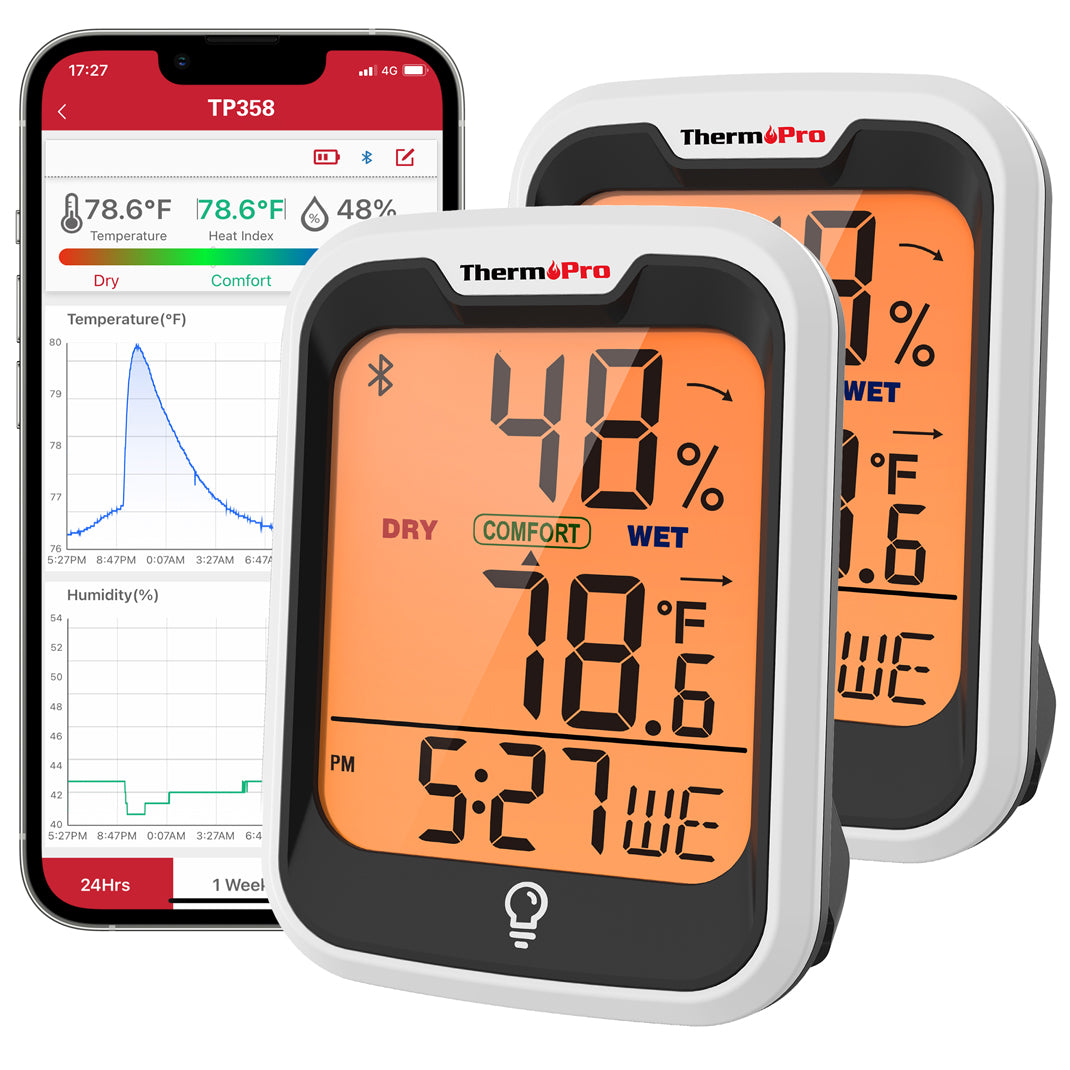
Before you can effectively treat low humidity, you need to know exactly what you are dealing with. You can't fix what you don't measure. Guessing whether the air is dry is not enough, you need precise, real-time data. This is where the TP358 Bluetooth Indoor Thermometer Hygrometer becomes an indispensable tool for your family's health.
Instead of wondering if the air is dry, the TempPro TP358 gives you the power to see and track your indoor climate with scientific accuracy.
Why the TempPro TP358 is Essential for Your Home
High Accuracy: it uses a high-precision sensor, which means you can trust the readings completely. When you see that your low humidity in room is hovering at a dangerous 22%, you know it's time to act . This accuracy helps you determine exactly what is a low humidity level in your specific space.
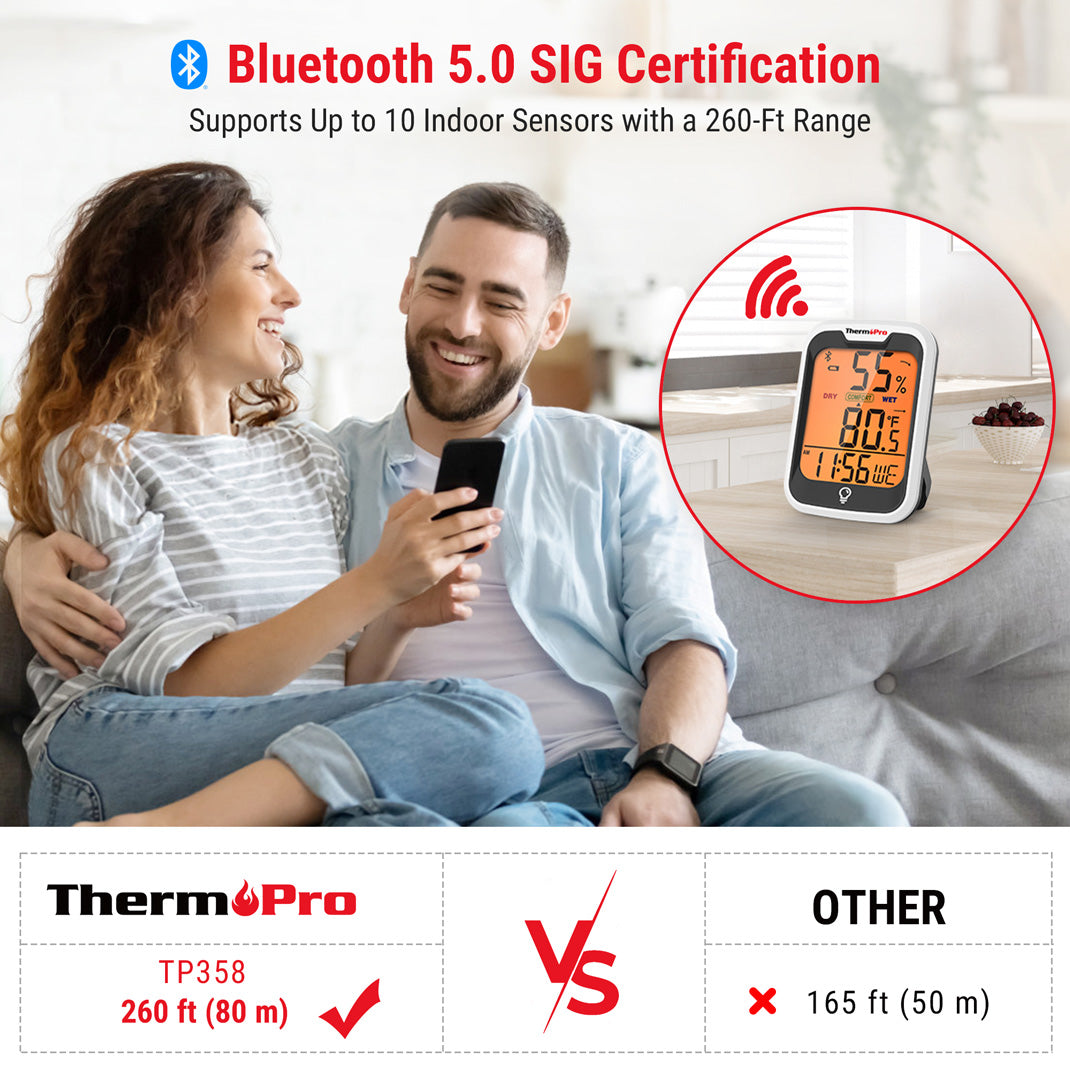
Convenient Bluetooth Monitoring: You don't have to be in the room to check the conditions. Using an app on your smartphone, you can remotely monitor the temperature and humidity from up to 260 feet away . This is perfect for keeping an eye on a baby's nursery, a child's bedroom, or even a basement where instruments are stored, all from the comfort of your living room.
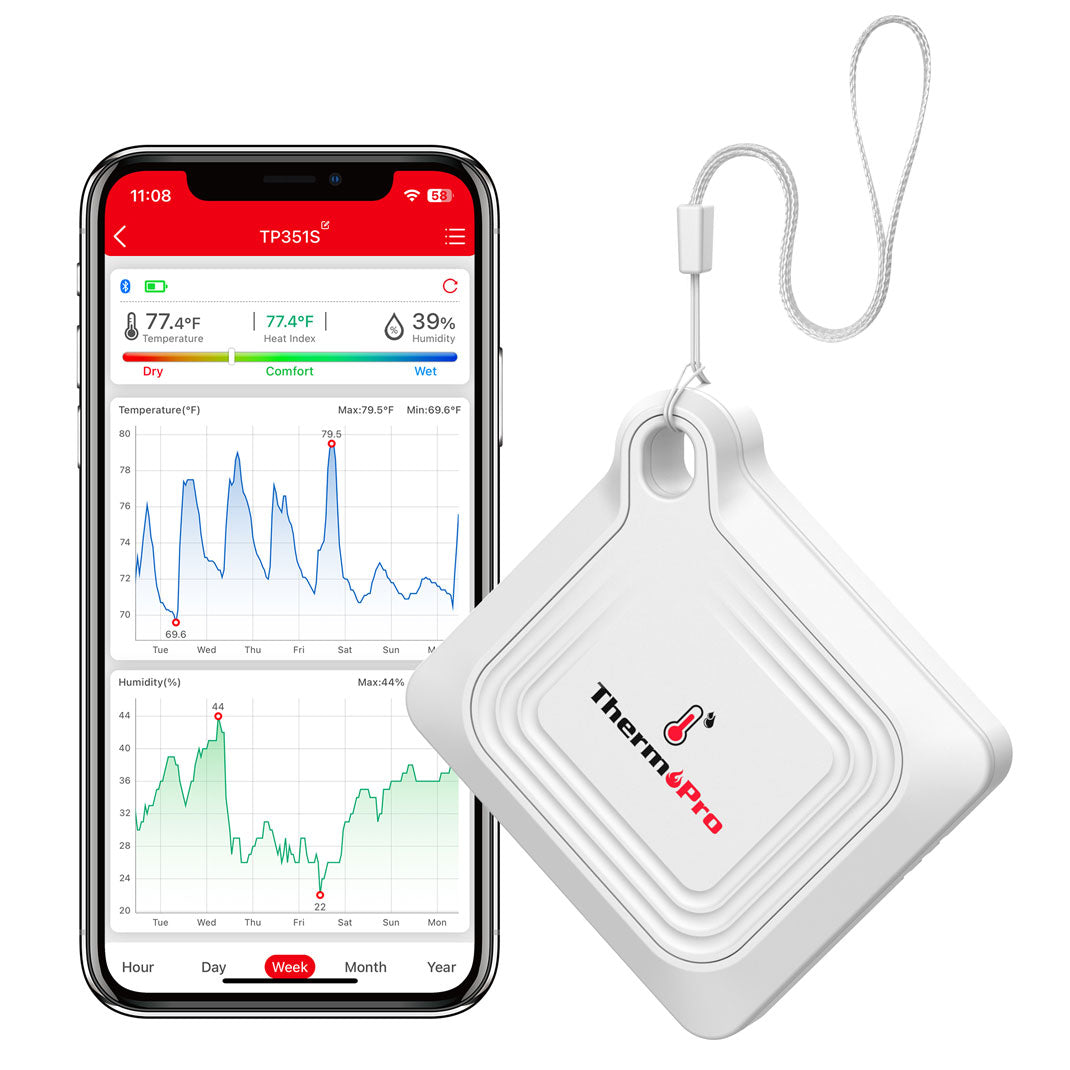
Track Historical Data: This is the feature that sets the TP358 apart. The app stores data that allows you to view trends over time. You can see what is considered low humidity throughout the night. Did the humidity drop too low at 3 AM? You can check the charts for the last 24 hours, week, month, or even year . This helps you verify if your solutions (like a new humidifier) are actually working.
Customizable Alerts: Set your ideal humidity range (for example, between 40% and 55%). If the levels fall into the low humidity percentage danger zone, the app will send you an instant alert. This proactive feature means you can adjust your humidifier or habits immediately, ensuring your family is always breathing healthy air.
User-Friendly Design: With a large, clear backlit display, it's easy to read at a glance, even in a dark nursery. It can stand on a desk or attach to a wall via a magnet, making it easy to place it exactly where you need it.

By using the TempPro TP358, you move from guesswork to control. You become an active manager of your indoor environment, ensuring that low humidity in house never goes unnoticed or unaddressed again.
How to Increase Low Humidity in House
Use a Humidifier (Most Effective Solution)
The most reliable way to fix humidity too low in house conditions is to use a humidifier. Humidifiers add moisture directly into the air and allow you to control humidity levels more precisely.
There are three main types:
Portable (Room) Humidifiers
These are ideal for bedrooms, nurseries, or specific areas with low humidity in room conditions. They are affordable and easy to move. Cool mist models are popular for families with children because they do not use heated water.
Warm Mist Humidifiers
These release warm vapor and may feel more comfortable in winter. They can also slightly reduce bacteria due to boiling water before release.
Whole-House Humidifiers
Installed directly into your HVAC system, these devices distribute moisture evenly throughout the home. They are especially helpful in colder regions where too low humidity in house is a recurring seasonal issue.
For best results, maintain indoor humidity between 40% and 50%. Avoid exceeding 55%, as overly humid conditions may lead to mold growth.
Adjust Your Heating Settings
Heating systems are a major cause of low home humidity. While you may not be able to stop using heat during winter, you can adjust how it is used.
Lowering the thermostat slightly, especially at night, can help. Warmer air lowers relative humidity even if the moisture content remains the same. Reducing indoor temperature by a few degrees can improve relative humidity balance.
Using a programmable thermostat to prevent overheating also reduces dryness.
Add Indoor Plants
Indoor plants naturally release moisture into the air through a process called transpiration. While plants alone may not completely fix low humidity in house, they can contribute to gradual improvement.
Plants known for releasing more moisture include:
- Areca palm
- Peace lily
- Spider plant
- Boston fern
Grouping plants together can increase localized humidity levels. This method is natural and energy-efficient.
Read more about Ideal Temperature and Humidity for Indoor Plants

Air-Dry Laundry Indoors
Drying clothes inside your home allows moisture from wet fabrics to evaporate into the air. During dry winter months, this can help combat low relative humidity. If space allows, use a drying rack indoors instead of a dryer occasionally. This simple method adds moisture without additional electricity use.
Let Shower Steam Circulate Briefly
After showering, allow the bathroom door to remain open for a short period before turning on the exhaust fan. This allows warm moisture to move into surrounding areas.
However, this should be done carefully. In already humid climates, excessive moisture can cause mold growth. This method is most beneficial in dry winter conditions.
Cook on the Stovetop More Often
Boiling water or cooking soups and stews releases moisture into the air. Even simmering water for short periods can help raise humidity slightly.
Some homeowners place a pot of water on the stove at low heat during winter evenings to improve low humidity in room conditions naturally.
Seal Drafts and Air Leaks
Dry outdoor air entering through cracks around windows and doors contributes to low home humidity. Sealing leaks helps stabilize both temperature and moisture levels.
You can:
- Apply weather stripping
- Use window sealant
- Install door sweeps
- Add insulation to attic spaces
Reducing cold air infiltration prevents dry air from lowering indoor humidity levels.
Install a Whole-Home Humidity Control System
For households consistently asking, what is considered low humidity in a house and how do we fix it permanently? a whole-home humidifier integrated with HVAC may be the best solution.
These systems:
- Automatically adjust moisture output
- Maintain consistent humidity throughout the house
- Work efficiently with heating systems
- Require less manual maintenance than portable units
They are particularly helpful in colder states where what causes low humidity in a house is largely tied to extended heating seasons.
Reduce Continuous Exhaust Fan Use
Bathroom and kitchen exhaust fans remove moisture from the air. In winter, running them longer than necessary can worsen humidity too low in house conditions. Use exhaust fans only when needed and turn them off once excess moisture is removed.
Use Water Features Carefully
Small indoor fountains or decorative water features can release minor amounts of moisture into the air. While not a primary solution, they may help supplement other methods. Always clean water features regularly to prevent bacteria growth.
Final Thoughts
Now that you understand what low humidity means and what causes low humidity in a house, you're better equipped to manage it proactively.
Managing humidity can protect your health, your furniture, and your family's well-being. With the TP358 Bluetooth Indoor Thermometer Hygrometer and take helpful tips and tricks, you can create a balanced, breathable home environment all year long.


Comments
You May Also Like

The Ideal Humidity in Your Basement

How to Reduce Humidity in Bathroom

Ideal Temperature and Humidity for a Greenhouse


Recommended product