6 Common Causes of High Humidity at Home and How to Fix Them


 288 Comments


Is your house too humid? For most homes, indoor relative humidity is generally best kept between 30% and 50%. Humidity that consistently stays above 60% is considered high and can increase the risk of condensation, mold growth, musty odors, and other moisture-related problems. To lower humidity, find the source of excess moisture, improve ventilation, use air conditioning or a dehumidifier, and monitor indoor humidity with a hygrometer.
High humidity inside your home can cause mold growth, and can be harmful for both you and your family. We think it’s essential to control humidity levels at home and this article throws light on everything you need to know about how it can affect your family if not taken care of.
Table of Contents
What is a High Humidity?
Indoor humidity is generally considered high when relative humidity consistently rises above 60%. For most homes, keeping indoor relative humidity between about 30% and 50% can help maintain comfort and reduce moisture-related problems. However, the ideal level may vary depending on the season, outdoor temperature, and your home's conditions. During winter, the ideal humidity is between a temperature range of 20-23.5 degrees Celsius (68-74.3 degrees Fahrenheit). However, during summer, the humidity is between 23-25 degrees Celsius (73.4-77 degrees Fahrenheit). Temperatures higher than these will bring high humidity.
What is a high humidity level outside? An ideal outdoor humidity level should be between 30-50%, but it depends on the temperature outside. As such, the warmth in your region is what will determine what is high humidity outside.
Is 70 percent humidity high? 70% humidity is above the ideal humidity range, and it is what is considered as high humidity outdoors.
What Do Different Indoor Humidity Levels Mean?
| Indoor Humidity | What It May Mean |
|---|---|
| Below 30% | Air may feel dry and uncomfortable |
| 30–50% | Generally a comfortable indoor range |
| 50–60% | Humidity is elevated; monitor conditions |
| 60–70% | Moisture and mold problems become more likely |
| Above 70% | Excessively humid for most indoor spaces |
What Causes High Humidity in a House?
High humidity inside your home can make life unbearable for you. To control the humidity, you have to know what causes it first. We have outlined the leading causes of high humidity inside your house.
1. The shower
The bathroom is one of the most humid areas in your house, and a significant cause of high humidity inside your house. The moisture from the bathroom mixes with the air inside your home to form humid air. The more the water vapor from your bathroom, the higher the humidity inside your home. Therefore, if you want to reduce the humidity inside your home, you have to cut down on the heat to reduce the amount of water vapor produced.
2. Cooking
While cooking, water evaporates, and vapor mixes with the air to form humid air. The humidity will be extremely high if you don’t have proper ventilation inside your house. Primarily, if your house does not have proper ventilation, you should get a dehumidifier to control the humidity when cooking.
3. Wet Laundry
Drying your laundry inside your house can release a lot of water into the air. It would be best to dry your laundry outside, but if you must dry your clothes indoors, be sure to use a dehumidifier.
4. Heaters
Generally, a heater burns gas to produce heat inside your home. During this combustion process, water vapor will come out as a bi-product. The longer you heat your room, the higher the concentration of water vapor. Therefore, you have to ensure that your house has sufficient ventilation to remove the excess vapor to prevent high humidity.
5. Damp Materials
Dampness is also a significant cause of high indoor humidity. Damp building materials and damp carpets inside your home may raise the humidity levels inside your home incredibly. Therefore, you have to ensure that your carpets are always dry, and also use a dehumidifier to remove the building materials’ dampness.
6. Renovation
A change is healthy, but if not done correctly, it may have some adverse effects. For instance, if your renovation involves painting, you have to ensure that the paint dries fast by using a dehumidifier. It will prevent the moisture released from causing excessive humidity inside your home.
Dangers of High Humidity in Summer
High humidity inside your house can cause a lot of problems for you. It may end up damaging your belongings, and also bring in extra repair costs. Additionally, it may also cause adverse effects to your health. We have outlined the effects of high humidity below.

Home issues:
- Mold. Molds thrive in a humid environment, and it may end up growing on your walls and ceiling, which may cause severe damage.
- Bugs. Bugs enjoy living in a warm and humid environment. If your house has high humidity, it provides an enabling environment for bugs to thrive. Therefore, you should ensure that your humidity levels are moderate. Ideally, a bug cannot survive at a humidity level of 50%
- Damage to electronics. Excessive moisture is one of the main reasons for electronic malfunctions. The moisture in the humid air can corrode the electrical contacts, and also reduce the capacitors’ resistance. It leads to short circuits, and sometimes total failure of electrical appliances inside your home. Be sure to control your humidity to prevent this from happening.
- Wood decay. Wood is an essential decorating material, but excessive moisture can make their surfaces to deform or rot. These may lead to extra repair costs that are out of your budget. Therefore, it is essential to control your humidity to prevent the possibility of wood decays.
Humidity can also cause adverse effects to your health:
- Asthma. High humidity is incredibly problematic for people who have asthma. When the humidity is high, the air becomes denser because of the extra water, making it harder for asthmatic patients to breathe. When this occurs, it creates a more significant risk for asthmatic patients to experience an asthmatic attack. Also, high humidity causes an increase in mold spores’ growth that could also trigger an asthma attack.
- Heat strokes. High humidity generally causes overheating to your body. Ideally, when you indulge in strenuous exercises, especially during summer, your body could overheat and lead to a heat stroke. Sometimes, a heat stroke can be severe and even lead to death.
How to Solve High Humidity Issues?
If your indoor humidity consistently stays above 60%, it is time to take action. The best way to lower humidity is to identify where the excess moisture is coming from and then remove it. Here are several practical ways to reduce indoor humidity and keep your home more comfortable.
1. Use Your Air Conditioner
Your air conditioner does more than cool your home, and it also removes moisture from the air as it runs. During hot and humid weather, running your AC can help keep indoor humidity at a more comfortable level.
However, you don't need to keep your AC running constantly. Set it to a comfortable temperature and make sure the system is properly maintained. If your home remains humid even when the AC is running, an HVAC professional can check whether the system is properly sized, draining correctly, and removing enough moisture.
2. Improve Ventilation in High-Moisture Areas
Everyday activities such as showering, cooking, and doing laundry add moisture to indoor air. Use exhaust fans in the bathroom and kitchen to remove humid air from your home.
Run the bathroom fan while showering and for a short time afterward. When cooking, use the range hood or kitchen exhaust fan, especially when boiling water or cooking foods that produce a lot of steam.
Opening windows can also help, but only when the outdoor air is less humid than the air inside your home. On hot, humid days, opening windows may actually bring more moisture indoors.
3. Use a Dehumidifier
A dehumidifier is one of the most effective ways to remove excess moisture from indoor air. A portable dehumidifier can work well in individual rooms, while a whole-house dehumidifier can help control humidity throughout your home.
A dehumidifier can be especially useful in naturally damp areas such as basements, laundry rooms, and bathrooms. If you use a dehumidifier, empty and clean it regularly according to the manufacturer's instructions. Otherwise, the appliance itself can become a source of moisture or biological growth.
4. Fix Leaks and Other Sources of Moisture
High indoor humidity is not always caused by everyday activities. Plumbing leaks, roof leaks, basement seepage, and water around your home's foundation can all introduce excess moisture.
Check under sinks, around toilets and tubs, near water heaters, in basements, and around windows for signs of leaks or water damage. Fix leaks as soon as possible and dry wet materials promptly.
Also check your gutters and downspouts to make sure rainwater is directed away from your home's foundation. EPA recommends addressing leaks and seepage promptly because controlling the source of moisture is one of the most important ways to prevent moisture-related problems.
5. Vent Your Clothes Dryer Outdoors
Drying clothes indoors can add a significant amount of moisture to the air. Whenever possible, use a properly vented clothes dryer and make sure the dryer exhausts to the outdoors.
Avoid venting a clothes dryer into a garage, attic, crawl space, or other enclosed area. These spaces can trap moisture and contribute to mold and other moisture problems.
6. Reduce Moisture From Cooking and Household Activities
Cooking, boiling water, running the dishwasher, and washing dishes can all increase indoor humidity.
To limit the amount of moisture released into your home:
-
Use your kitchen exhaust fan when cooking.
-
Cover pots when boiling or simmering food.
-
Use the dishwasher's ventilation or drying function when appropriate.
-
Avoid drying wet clothes indoors when possible.
-
Wipe up standing water and spills promptly.
You don't need to avoid hot showers or change your normal cooking habits. The goal is to vent excess moisture effectively rather than eliminate everyday activities that produce water vapor.
7. Improve Air Circulation
Good air circulation can help distribute temperature and moisture more evenly throughout your home and reduce condensation on cold surfaces.
Use ceiling fans or portable fans when appropriate, and avoid pushing furniture tightly against exterior walls or into corners where air cannot circulate. Keeping interior doors open can also improve air movement between rooms when practical.
Fans alone do not remove moisture from the air, but they can help prevent stagnant, damp areas and reduce condensation when combined with proper humidity control.
8. Check Your HVAC System and Air Filter
A dirty or clogged HVAC filter can restrict airflow and reduce system performance, so replacing or cleaning the filter according to the manufacturer's recommendations is an important part of routine HVAC maintenance.
However, changing the air filter does not directly remove moisture from your home. If your home stays humid despite running the AC, the system may need professional inspection to check airflow, drainage, sizing, or dehumidification performance.
Keeping the AC drain pan and condensate drain line clean and unobstructed is also important because standing water can create additional moisture problems.
9. Check Your Basement, Crawl Space, and Foundation
Basements and crawl spaces can be major sources of indoor moisture. Look for damp floors, water stains, musty odors, condensation, or visible leaks.
If moisture is entering through the foundation or basement floor, simply running a dehumidifier may not solve the underlying problem. You may need to improve drainage, repair foundation leaks, or address groundwater and seepage issues.
For crawl spaces, controlling ground moisture and maintaining appropriate ventilation can help reduce moisture entering the home.
10. Monitor Indoor Humidity With a Hygrometer
You cannot effectively manage indoor humidity if you don't know how high it is. A hygrometer measures relative humidity and lets you monitor changes throughout the day.
For most homes, a relative humidity level of 30% to 50% is generally recommended. If humidity consistently rises above 60%, look for the source of excess moisture and take steps to reduce it.
Place a hygrometer in areas where humidity tends to be higher, such as the basement, bathroom, or laundry room. Monitoring humidity over time can help you determine whether your ventilation, air conditioning, or dehumidifier is working effectively.
How to Know If Your Home is too Humid
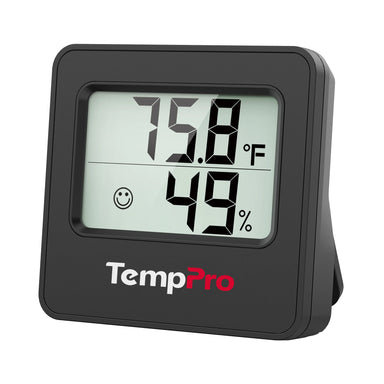
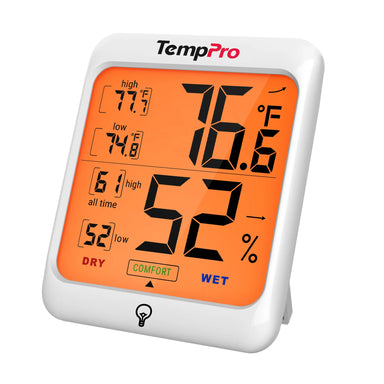
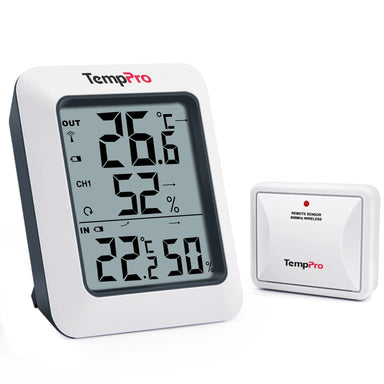
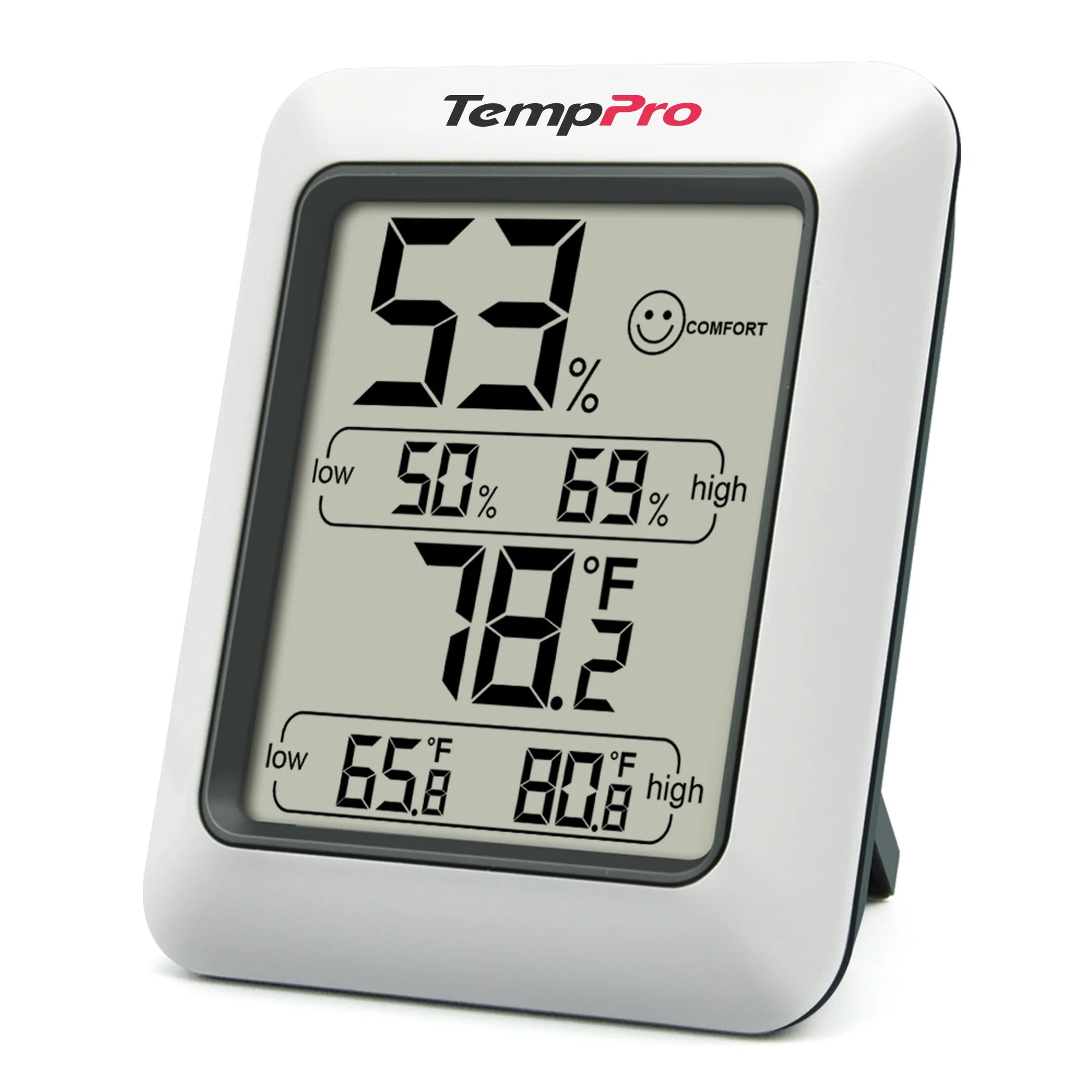
There are several ways that you can use to tell if your house is too humid, and when you have to lower the humidity. The best way to know if your indoor humidity is too high is by using a TempPro TempAir CORE TP50 Digital Indoor Thermometer Hygrometer to measure humidity.

Is 65 humidity high? If the humidity level is more than 60%, then you have to lower it. 65% humidity is, therefore, too high. The ideal indoor humidity ranges from 45-55%. Ensure that you check the humidity often, and take the necessary actions. We have listed other ways you can also use to tell if your humidity level is high.
- Condensation. When you start noticing condensation on windows, it means that the humidity level inside the house is too high, and you need to lower it.
- Musty odor. A musty smell inside the house results from the growth of molds. Molds grow because of high humidity. Hence, the smell implies that your house is too humid.
- Rotting woods. When there is excess humidity in the air, wood absorbs the excess moisture, making them rot.
You should always ensure that your humidity level is at the ideal level to prevent the adverse effects of high humidity. Keeping your humidity within the ideal range saves you a lot of stress, such as repair costs and medical bills. Therefore, we highly recommended that you measure the humidity level inside your home regularly using a TempPro Indoor Thermometer and Hygrometer.

Comments
You May Also Like


Recommended Products