10 Smoking Mistakes When Cooking Meat and How to Fix Them


 288 Comments


Common smoking mistakes include using unstable heat, too much or dirty smoke, opening the smoker too often, relying on cooking time instead of internal temperature, and cutting meat too soon. Keep your smoker steady, use clean smoke, monitor meat temperature with a reliable thermometer, and give smoked meat enough time to cook and rest for better flavor, texture, and food safety.
Smoking meat is one of the best ways to turn tough cuts into tender, flavorful meals. Brisket, pork shoulder, ribs, chicken, and turkey can all benefit from the low-and-slow cooking process. But smoking meat is also less forgiving than grilling. A small mistake in temperature, smoke, timing, or preparation can leave you with dry meat, bitter flavors, tough texture, or meat that is not safely cooked.
The good news is that most smoking mistakes are easy to avoid once you know what to look for. Whether you are using a pellet smoker, charcoal smoker, offset smoker, or a covered grill, these are 10 common smoking mistakes home cooks make—and practical ways to fix them.
Table of Contents
10 Common Smoking Mistakes That Can Ruin Your Meat
Smoking meat takes time, patience, and a little practice. Even experienced home cooks can end up with dry, tough, bitter, or unevenly cooked meat when small mistakes add up. From controlling smoker temperature and smoke quality to knowing when your meat is actually done, these 10 common smoking mistakes can affect both flavor and food safety. Here’s what to watch for and how to fix each one for better results.
Starting With Partially Frozen Meat
One of the easiest mistakes to make is putting meat into the smoker before it has completely thawed. Smoking is a low-temperature cooking method, so frozen or partially frozen meat can spend too much time warming up. The outside may begin cooking while the center remains very cold. This can make cooking uneven and increase the amount of time the meat spends in the food safety "Danger Zone," between 40°F and 140°F.
USDA's Food Safety and Inspection Service recommends completely thawing meat and poultry before smoking. Meat should be thawed safely in the refrigerator, cold water, or a microwave, not left at room temperature.
How to fix it
Plan ahead.
For large cuts such as brisket or pork shoulder, move the meat from the freezer to the refrigerator several days before your smoking session. Keep it refrigerated until you are ready to season and cook it. Don't try to speed up the process by leaving a large piece of meat on the counter.
Cooking at the Wrong Smoker Temperature
Smoking is all about controlled, indirect heat. If the smoker temperature constantly jumps from low to high and back again, your cooking time and results can become unpredictable. A common mistake is assuming that "low and slow" means the smoker should simply be kept as low as possible. In reality, you need enough heat to cook the meat safely and consistently. For smoking meat and poultry, USDA FSIS recommends monitoring the smoker or grill temperature and keeping it between approximately 225°F and 300°F.
How to fix it
Don't rely only on the built-in thermometer on the smoker lid.
The temperature near the lid may not be the same as the temperature where your meat is sitting. Use a separate thermometer to monitor the cooking chamber, and learn how your particular smoker behaves.
Also pay attention to:
- Wind and outdoor temperature
- The amount of charcoal or fuel
- Vent settings
- How often you open the lid
- The position of the meat inside the smoker
Consistent heat is more important than constantly chasing a specific number.

Adding Too Much Smoke
More smoke does not necessarily mean more flavor. One of the most common beginner mistakes is adding too much wood because the cook wants a stronger smoky taste. Heavy smoke can overwhelm the natural flavor of the meat and create an unpleasant, bitter taste.
The goal is to add smoke gradually while allowing the smoker to maintain clean, controlled heat. Different meats also respond differently to smoke. A delicate piece of chicken does not necessarily need the same amount of smoke as a large brisket.
How to fix it
Start with less wood than you think you need. Give the smoke time to work before adding more. If you are using wood chips or chunks, follow the instructions for your smoker and avoid constantly adding fuel just because you cannot see a large cloud of smoke.
Also choose appropriate cooking wood. USDA specifically warns against using softwoods such as pine, fir, cedar, or spruce for smoking because they can produce undesirable flavors and residues. For home cooks, hardwoods and fruitwoods commonly used for smoking are a better starting point.
Using Thick White Smoke Instead of Clean Smoke
Seeing thick, billowy white or gray smoke pouring from your smoker may look impressive, but it is not usually what you want when smoking meat. Heavy smoke can be a sign that the wood is smoldering rather than burning cleanly. It can leave excess smoke compounds on the meat and give your food a harsh, bitter, or overly smoky flavor.
Experienced pitmasters often refer to the ideal smoke as "thin blue smoke." It is light, almost transparent, and may be difficult to see. You do not need a large cloud of smoke for meat to develop a delicious smoky flavor.
How to fix it
Maintain good airflow and use dry, properly seasoned hardwood. Avoid adding too much wood at once, and make sure your smoker has enough oxygen for clean combustion. Instead of trying to produce more visible smoke, focus on maintaining a steady cooking temperature and a light, clean stream of smoke.
Opening the Smoker Lid Too Often
You know the feeling: the brisket has been smoking for two hours, and you want to check it.
So you open the lid, check the charcoal and add wood. Then you check the meat again. The problem is that every time you open the smoker, heat and smoke escape. You then need additional time for the cooking chamber to return to its target temperature. This is especially problematic during long cooks.
How to fix it
Keep the lid closed as much as possible. Instead of checking the meat every 20 minutes, use a reliable thermometer to monitor the temperature without repeatedly opening the smoker.
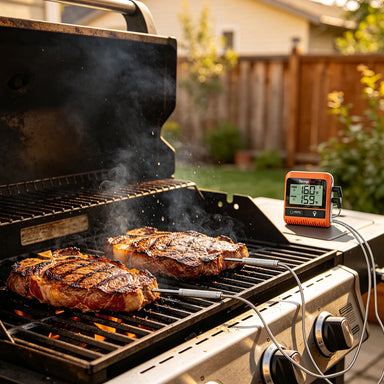
This is one reason wireless meat thermometers can be particularly useful for smoking. You can monitor the cooking process from a distance while leaving the smoker closed.

Relying on Cooking Time Instead of Meat Temperature
Time estimates can be useful for planning, but they should not be your final test for doneness. Smoking time can vary significantly depending on the size and shape of the meat, smoker temperature, distance from the heat source, fuel, and outdoor conditions. USDA notes that smoking can take four to eight hours or longer depending on these variables.
How to fix it
Use cooking time as a planning tool, not a doneness test. Use a meat thermometer to monitor the internal temperature of the meat. For large or irregularly shaped cuts, check more than one location because different areas can cook at different rates.
This approach is particularly important when smoking for a family gathering. Dinner should not depend on whether your brisket happened to cook at exactly the same rate as the one in a recipe.
Guessing Doneness by Color
Smoked meat can look different from meat cooked in an oven or pan. Chicken can develop a dark exterior. Beef can remain pink inside. Smoked meat may also develop a pink "smoke ring" around the outside. That does not automatically mean the meat is raw or that it is safe.
USDA explains that color is not a reliable way to determine whether meat or poultry has reached a safe temperature. Smoked meat can remain pink even when it is fully cooked.
How to fix it
Use a food thermometer.
For USDA's current safe minimum internal temperatures:
| Meat | Minimum Internal Temperature |
|---|---|
| Beef, pork, lamb, and veal steaks, chops, and roasts | 145°F + 3-minute rest |
| Ground beef, pork, lamb, and veal | 160°F |
| Poultry | 165°F |
| Fish and shellfish | 145°F |
These temperatures are minimum safety temperatures, not necessarily the final temperatures every barbecue style uses for texture. For example, some tough cuts may be cooked to a considerably higher internal temperature to achieve the tenderness associated with barbecue. The important point is that you should not use color alone to decide whether smoked meat is safe to eat.
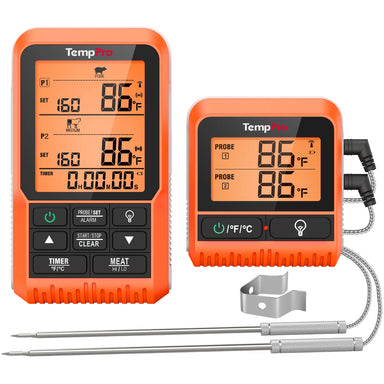
For home cooks who regularly smoke brisket, ribs, pork shoulder, chicken, or other large cuts, the TempPro TempSync ELITE TP904 Wireless Meat Thermometer can make temperature monitoring much easier.
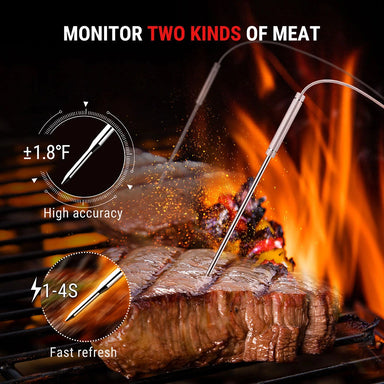
The TempPro TempSync ELITE TP904 uses Bluetooth 5.0 and provides a wireless range of up to 450 feet, allowing you to monitor cooking temperatures from your phone instead of standing next to the smoker. It has two probes, so you can monitor two cuts of meat, or one probe for measuring meat temperature and the one for the smoker or grill temperature.

Putting the Meat Too Close to the Heat Source
Smoking is indirect cooking, but beginners sometimes position meat too close to the fire. This can cause one side of the meat to cook much faster than the other. It can also create an overly dark exterior before the center has had enough time to cook. The problem becomes more noticeable in offset smokers and charcoal grills, where heat distribution is not always perfectly even.
How to fix it
Learn the hot spots in your smoker. Before your first long cook, use a separate thermometer to understand how temperature varies across the cooking grate.
Place larger cuts away from direct heat whenever possible. If you are smoking multiple pieces of meat, leave enough space around them for heat and smoke to circulate. You can also rotate or reposition meat during a long cook if your smoker has noticeable hot spots.
Adding Sauce Too Early
Barbecue sauce often contains sugar. If you add a sweet sauce at the beginning of a long smoking session, the sugars can become overly dark or burn before the meat is finished. This is especially common with ribs, chicken, and other meats that are frequently glazed.
How to fix it
Apply sauce toward the end of the cooking process. USDA recommends adding sauce during approximately the final 15 to 30 minutes of smoking to help prevent excessive browning or burning.
If you want deeper flavor, build it in layers:
- Season the meat before smoking.
- Allow the smoke and heat to develop the exterior.
- Add sauce near the end.
- Let the sauce set before removing the meat.
This gives you a flavorful exterior without turning the sauce into a burnt coating.
Cutting the Meat Immediately After Smoking
After several hours of smoking, it is tempting to slice the meat as soon as it comes off the smoker. But large cuts can benefit from resting before slicing. Cutting immediately can allow more of the meat's juices to escape onto the cutting board instead of staying in the meat.
How to fix it
Give the meat time to rest before serving. The exact resting time depends on the size and type of meat, so treat it as part of the cooking process rather than an afterthought. For food safety, USDA recommends that beef, pork, lamb, and veal steaks, chops, and roasts reach at least 145°F and rest for at least three minutes before carving or eating.
For large barbecue cuts, cooks may choose a longer resting period to improve texture and make slicing easier. Just remember that resting does not replace reaching the appropriate safe internal temperature.
FAQs About Smoking Meat
What is the biggest mistake when smoking meat?
One of the biggest mistakes is relying on cooking time or appearance instead of monitoring temperature. Smoking time can vary depending on the cut, size of the meat, smoker temperature, and outdoor conditions. Use a food thermometer to check the internal temperature and make sure the meat reaches a safe temperature.
What temperature should I smoke meat at?
For smoking meat and poultry, USDA recommends keeping the smoker or grill temperature between 225°F and 300°F. The best temperature within this range can depend on the type and size of meat and the cooking method. Keeping the temperature steady is more important than constantly adjusting it.

How do I know when smoked meat is done?
Do not rely on the color of the meat or the amount of time it has been smoking. Check the internal temperature with a food thermometer. USDA recommends 145°F with a three-minute rest for beef, pork, lamb, and veal steaks, chops, and roasts; 160°F for ground meats; and 165°F for poultry.
Some barbecue cuts, such as brisket and pork shoulder, are often cooked beyond their minimum safe temperature to achieve a more tender texture. The final cooking temperature for these cuts is therefore a matter of both food safety and desired texture.
Should I open the smoker while cooking?
Try to avoid opening the smoker more than necessary. Every time you open the lid, heat and smoke escape, and the smoker needs time to return to its cooking temperature. A wireless meat thermometer can help you monitor the meat without repeatedly opening the smoker.
How much wood should I use when smoking meat?
Start with a moderate amount of smoking wood rather than trying to produce as much smoke as possible. Too much smoke can give meat a bitter or harsh flavor. The amount you need depends on the smoker, type of wood, and length of the cook, so follow your smoker's instructions and adjust gradually.
Can I smoke meat overnight?
Yes, but an overnight cook requires careful temperature and food-safety planning. Make sure your smoker is designed for extended cooking, has enough fuel for the expected cooking time, and can maintain a stable temperature. A wireless thermometer can also help you monitor the cook without staying next to the smoker all night. Never use cooking time alone to determine whether the meat is safe to eat.
Why is my smoked meat tough instead of tender?
Tough smoked meat can have seveooked long enough, or a naturally tough cut may not have had enough time fral causes. The smoker temperature may be too high, the meat may not have cor its connective tissue to break down.
For cuts such as brisket and pork shoulder, smoking is a low-and-slow process. Give the meat enough time to become tender rather than removing it simply because it has reached a certain cooking time.
Why does my smoked meat taste bitter?
A bitter or overly harsh smoky flavor can be caused by excessive smoke. Adding too much wood or producing heavy, uncontrolled smoke can overpower the flavor of the meat.
Use smoking wood in moderation and focus on maintaining steady heat and clean smoke instead of creating large amounts of visible smoke.
Do I need two thermometers when smoking meat?
Using two temperature readings can make smoking easier because you need to know both the cooking environment temperature and the internal temperature of the meat. USDA recommends using one thermometer to monitor the smoker and another to monitor the food.
You can use a wireless meat thermometer with dual-probe, such as the TempPro TempSync ELITE TP904, allows you to monitor both temperatures of two spots at the same time. This can be especially useful during long cooks when you want to keep the smoker closed.
Is a wireless meat thermometer worth using for smoking?
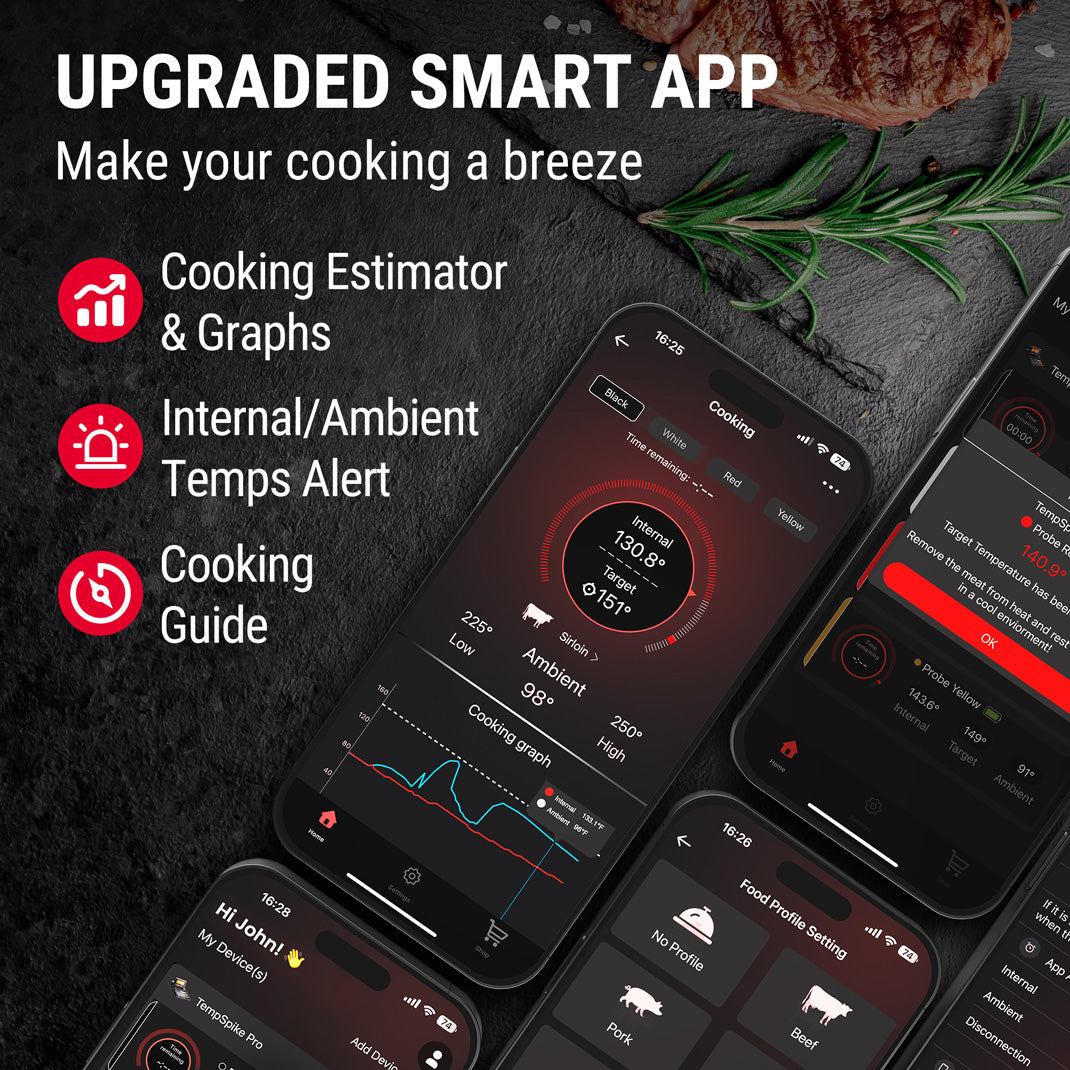
A wireless meat thermometer can be particularly helpful for long smoking sessions. Instead of repeatedly opening the smoker to check the meat, you can monitor the temperature remotely and receive alerts when the temperature reaches your set target.
Can smoked meat still be pink when it is fully cooked?
Yes. Smoked meat can remain pink even after it has reached a safe internal temperature. Smoke can contribute to a pink color around the outside of the meat, so color alone is not a reliable way to determine doneness. Use a food thermometer instead.
How long should smoked meat rest before serving?
Resting time depends on the type and size of the meat. Large barbecue cuts generally benefit from resting before slicing because it allows the meat to settle and makes it easier to slice without immediately losing as much moisture.
For food safety, remember that resting is different from the USDA requirement for certain meats to reach their minimum internal temperature and, for beef, pork, lamb, and veal steaks, chops, and roasts, receive a three-minute rest.
Final Thoughts
Smoking meat does not have to be complicated. Most problems come down to a few basic issues: unstable heat, too much smoke, frequent lid opening, poor temperature monitoring, and relying on time or appearance instead of actual temperatures.
The biggest improvement a home cook can make is to start treating temperature as information rather than a guess. A reliable thermometer helps you understand what is happening inside the smoker and inside the meat. With two probes and wireless monitoring, the TempPro TempSync ELITE TP904 can be especially useful for long smoking sessions because you can monitor both meat and cooking temperature without constantly opening the smoker.
Once you control the heat, monitor the meat, and give the smoking process enough time, you can make more consistent barbecue at home from weekend ribs and smoked chicken to a long overnight brisket cook.


Comments

Recommended Products