7 Vegetable Grilling Tips for Better Flavor


 288 Comments


Why Grilled Veggies Fall Flat
Most people don’t actually dislike vegetables. They dislike what usually happens to them on the grill.
Grilled vegetables have a reputation for coming off limp, dull, or charred in all the wrong places, and it’s easy to see why. They get tossed on next to the steaks, cooked at the same heat, and pulled off whenever the meat is ready. They never really had a chance.
The reason it goes wrong is simple: vegetables aren’t meat. They hold far more water, carry less fat, and cook much faster, so the approach that works for a ribeye does the opposite for a zucchini. Push them with steak-level heat and they either scorch on the outside before the inside softens, or sit there steaming in their own moisture and never pick up any char.
The good news is that fixing it takes no special skill. It takes attention, plus a little control over heat and timing, and it starts well before anything touches the grate. Here’s how to get there, step by step.

Tip 1: Cut Everything the Same Size
Good grilling starts on the cutting board. When your pieces are all different sizes, they cook at different rates, so the small bits burn while the big ones come off half raw.
Cutting everything to a uniform size solves that in one move. The whole batch finishes together, with even texture from edge to edge. It feels like a fussy detail, but it sets up everything that follows, because consistent pieces are the only way the later steps can work evenly.

Tip 2: Oil Lightly
Once everything’s cut, it needs a little oil, but only a little. A thin coat helps vegetables cook evenly and build that golden crust. Too much works against you, leaving a greasy surface, sending up clouds of smoke, and feeding flare-ups that blacken everything in reach.
Aim for just enough to help things along, not so much that it buries the natural flavor or fights you once the vegetables hit real heat. And real heat is the next thing to get right.
Tip 3: Match the Heat to the Vegetable
With the vegetables prepped, the grill is where most of the work happens, and the first mistake is treating every vegetable the same. Blasting them all with the high heat you’d use for burgers chars the outside in seconds while the inside stays raw.
Sort them by density instead. Carrots, potatoes, and other firm vegetables want steady medium heat so they can cook through, while softer ones like zucchini and bell peppers do better over a slightly cooler zone where you have more room to work. Setting up those zones gives everything a place to go, but it only pays off if the grill is actually holding the temperature you think it is.
Tip 4: Lock In Your Grill Temp
Heat zones are useless if you’re guessing at the numbers, and grill temperature decides more about your results than almost anything else. Too cool and the vegetables stick and cook unevenly; too hot and they’re scorched before the lid comes down. The catch is that a grill drifts the whole time you’re cooking, so a single glance at the start tells you almost nothing.
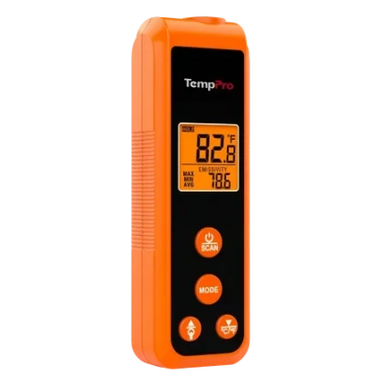
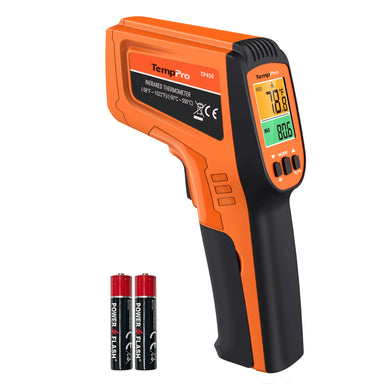
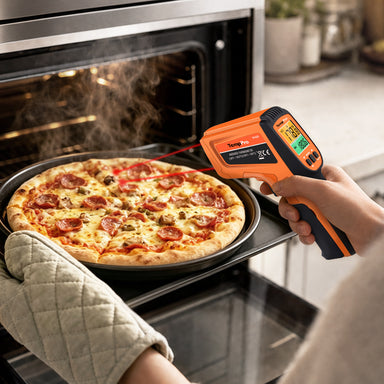
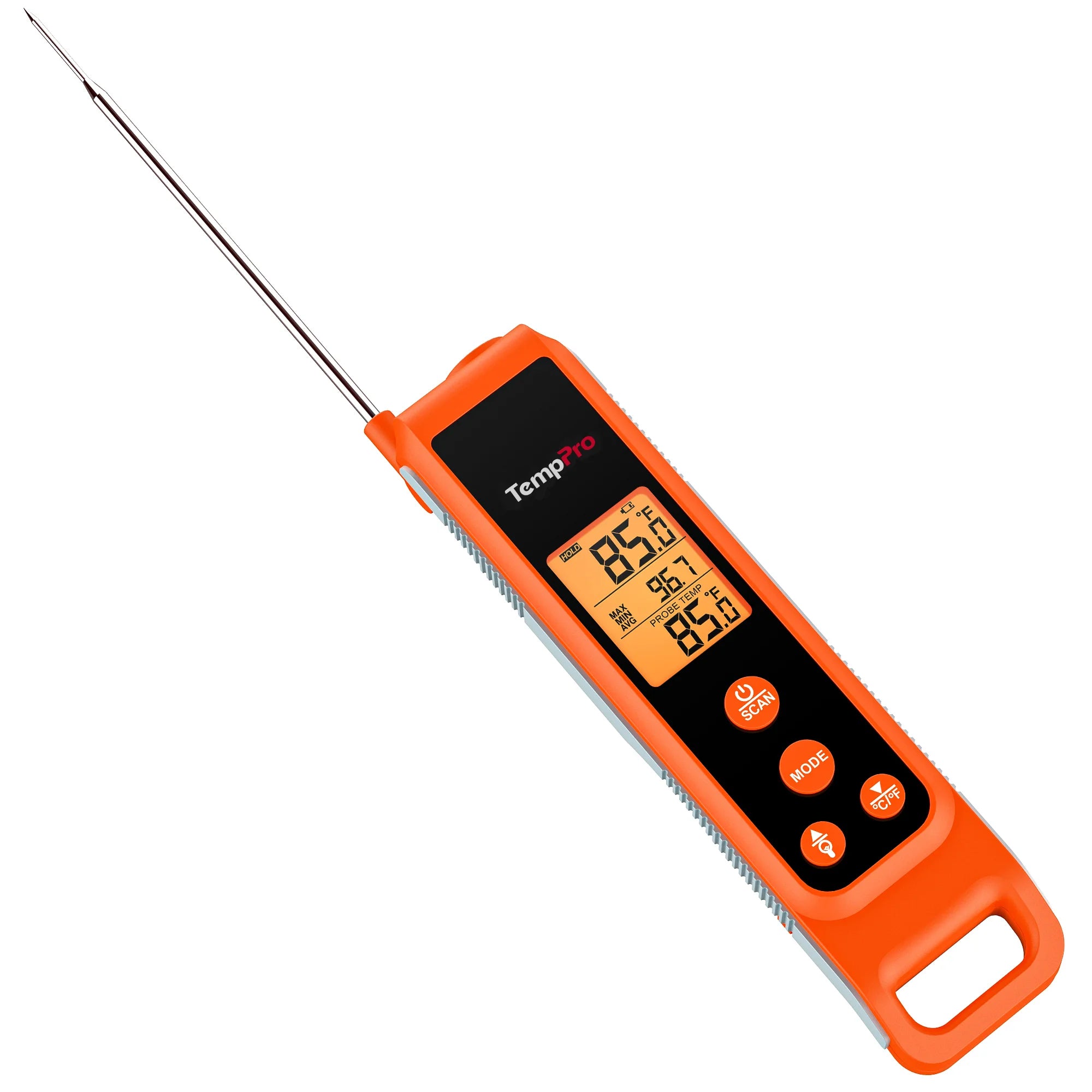
This is where the TempPro TP420 2-in-1 thermometer earns its place. Its infrared sensor reads the grate’s surface temperature in an instant, no contact required, so you can confirm each zone is ready before any food goes down and check it again as you cook. Instead of hoping the grill is where you want it, you actually know, and you can nudge the heat up or down before it costs you a batch.

Tip 5: Give Them Room
With the heat dialed in, resist the urge to crowd the grate. Pile vegetables on top of each other and you’ve stopped grilling and started steaming. Crowded vegetables trap their own moisture, turn soft in the middle, and never caramelize.
Leave space between each piece so air can move freely. The edges char properly, the flavor deepens, and you finally get the results that the heat you just set was meant to deliver.
Tip 6: Flip Less, Wait More
Spacing buys you good contact with the grate, and now the job is to leave it alone. Constant flipping is the enemy of a good crust, because every early move interrupts the browning and throws away flavor.
Give the vegetables time to sit. Let one side develop a deep, golden crust, then turn them once to finish the other. The payoff is better texture and a fuller, smokier flavor than you’ll ever get from fidgeting with the tongs. The only thing left is knowing when to stop.

Tip 7: Pull Them at the Right Moment
Vegetables need less time than most people think, and overcooking is an easy trap. Push them too far and all that careful prep collapses into a mushy texture and washed-out flavor.
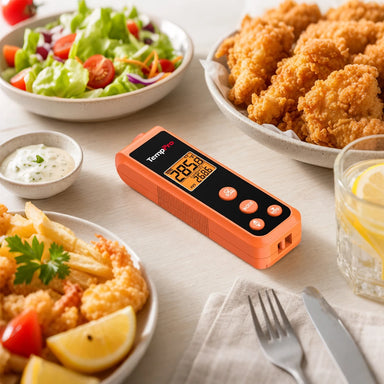
Every vegetable has a sweet spot where it’s tender but still holds its shape, and that’s the moment to pull it. Here the TempPro TP420 switches roles: its probe reads the internal temperature, so for thicker pieces you can tell exactly when they’ve reached that point instead of guessing. The infrared got the grate right, the probe gets the food right, and between the two you’re in control from the first cut to the last piece off the grill.

Stop Guessing, Start Tasting
Most people cook vegetables on instinct, going by the clock, by how things look, or by plain luck, and that's exactly why the results swing so wildly from one cookout to the next. The moment you take charge of both the grill and the vegetables, everything becomes repeatable. You know when the grate is ready, you know when the food is done, and you know what's landing on the plate before it gets there. That certainty is what makes the TempPro TP420 worth keeping within reach: with the infrared reading the grate and the probe reading the food, the whole cook runs on what you can actually measure instead of what you're hoping for.
None of it relies on complicated technique. It comes down to attention and control, from cutting evenly to reading the heat to pulling at the right moment. Get those habits down, and the people who usually head straight for the meat will start eyeing the vegetables instead.

FAQ
What temperature is best for grilling vegetables?
Medium heat suits most vegetables, though it shifts with their density and type.
Why do my grilled vegetables turn soggy?
Usually it’s a crowded grill or a temperature that’s running too low.
Do I need a thermometer for vegetables?
It’s not required, but it makes controlling the grill surface much easier and helps you avoid burning.
Should I oil vegetables before grilling?
Yes, just keep it light so they don’t stick without turning greasy.
What’s the biggest mistake when grilling vegetables?
Cooking them at the same heat as meat and not keeping an eye on temperature.


Comments
Recommended Products